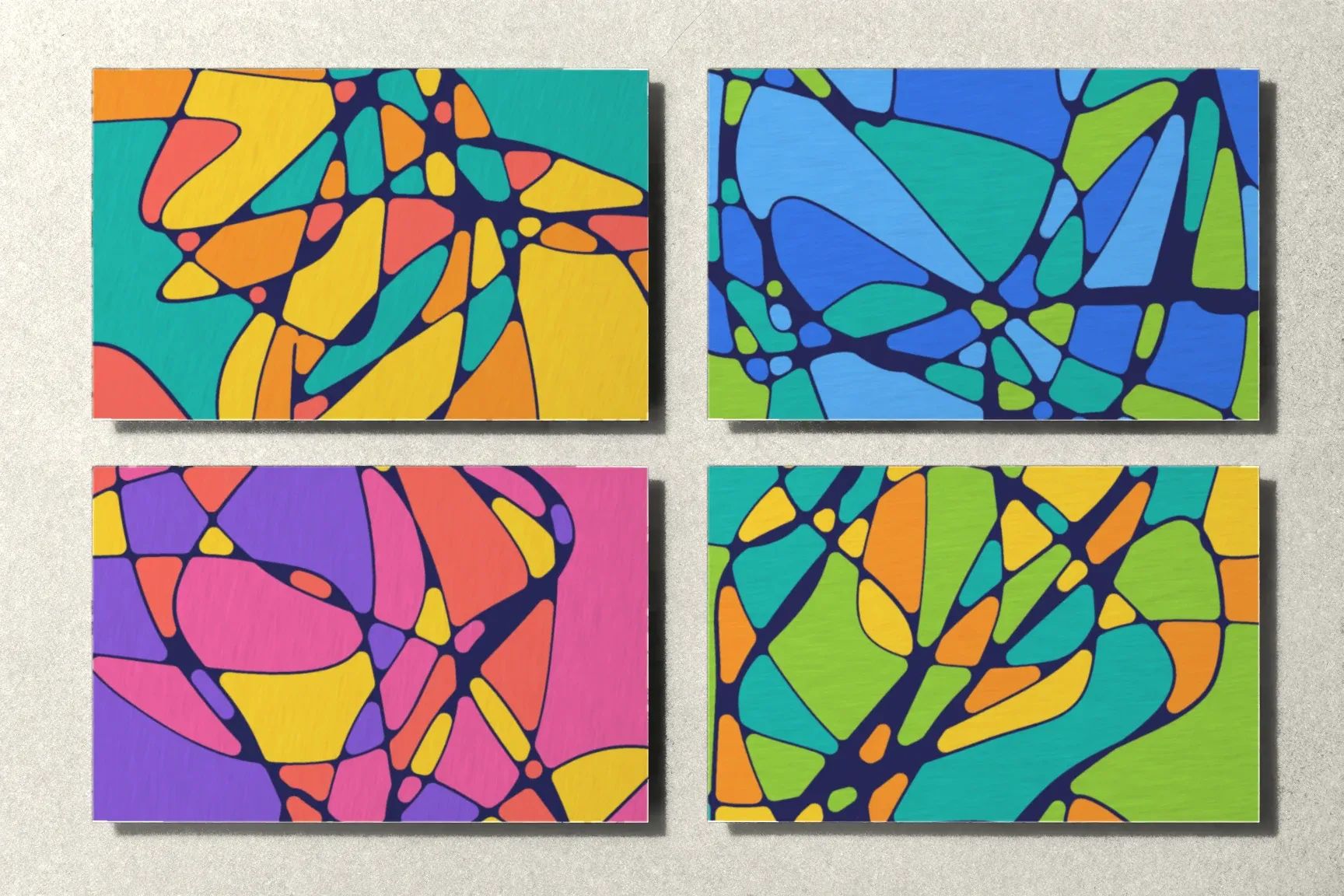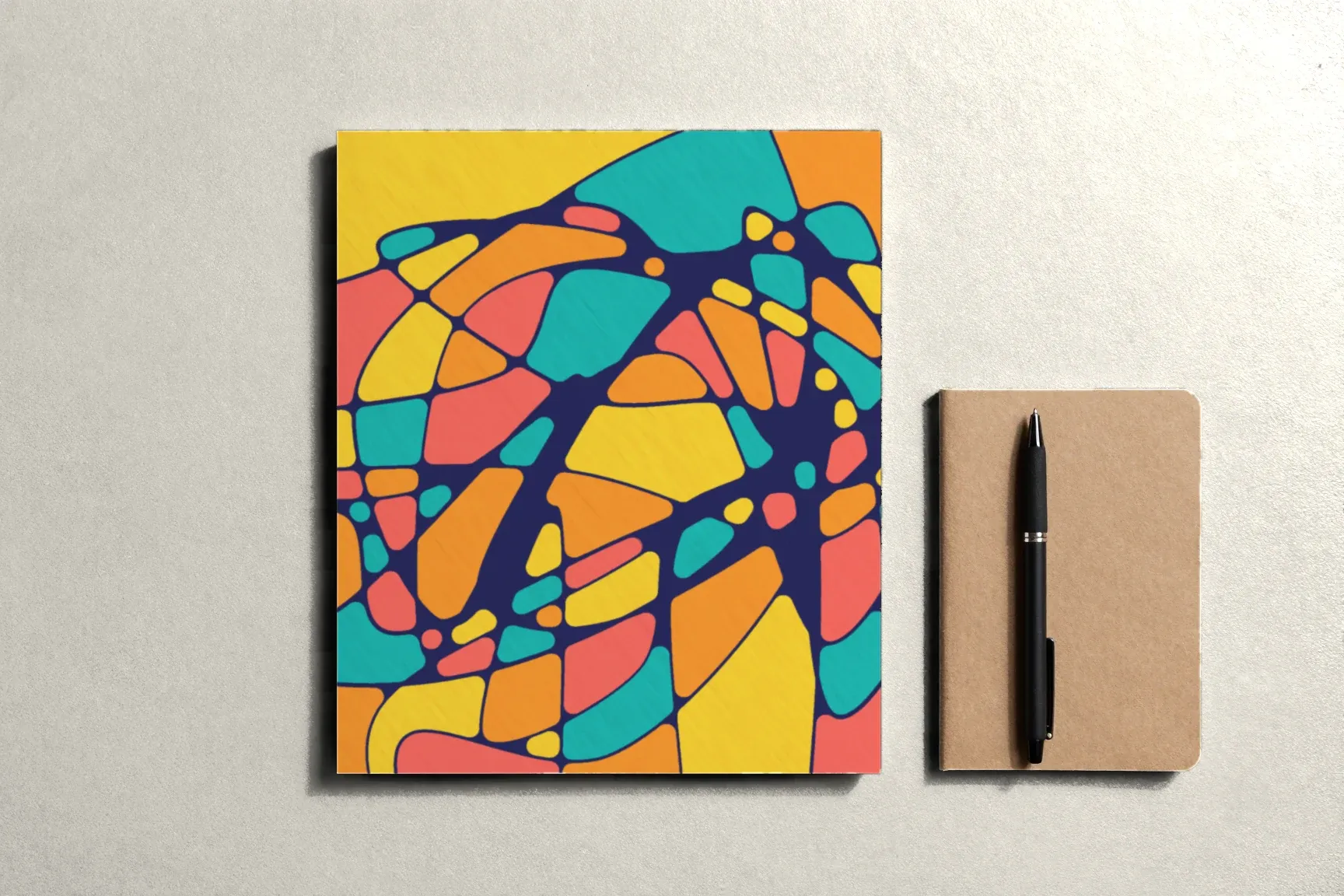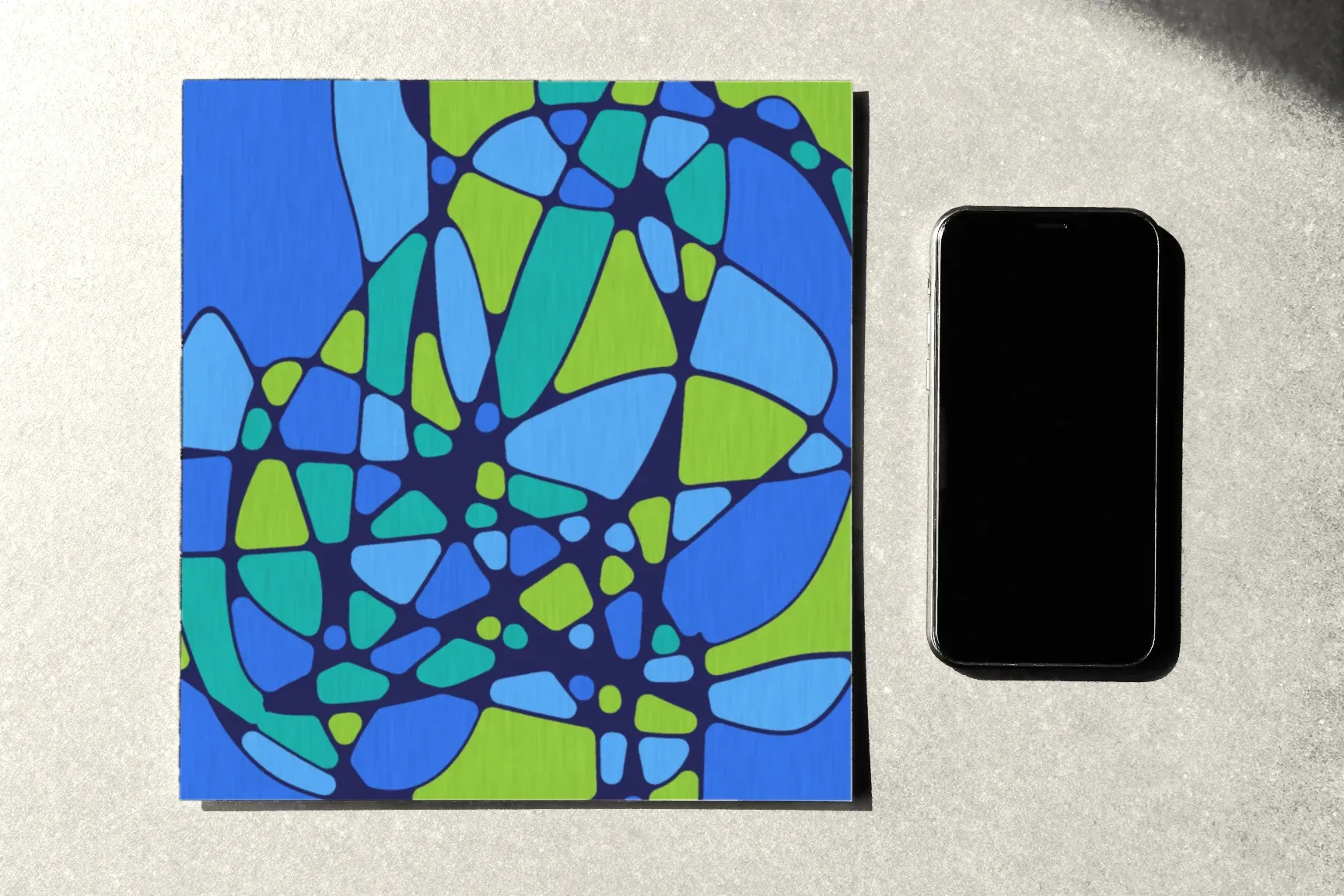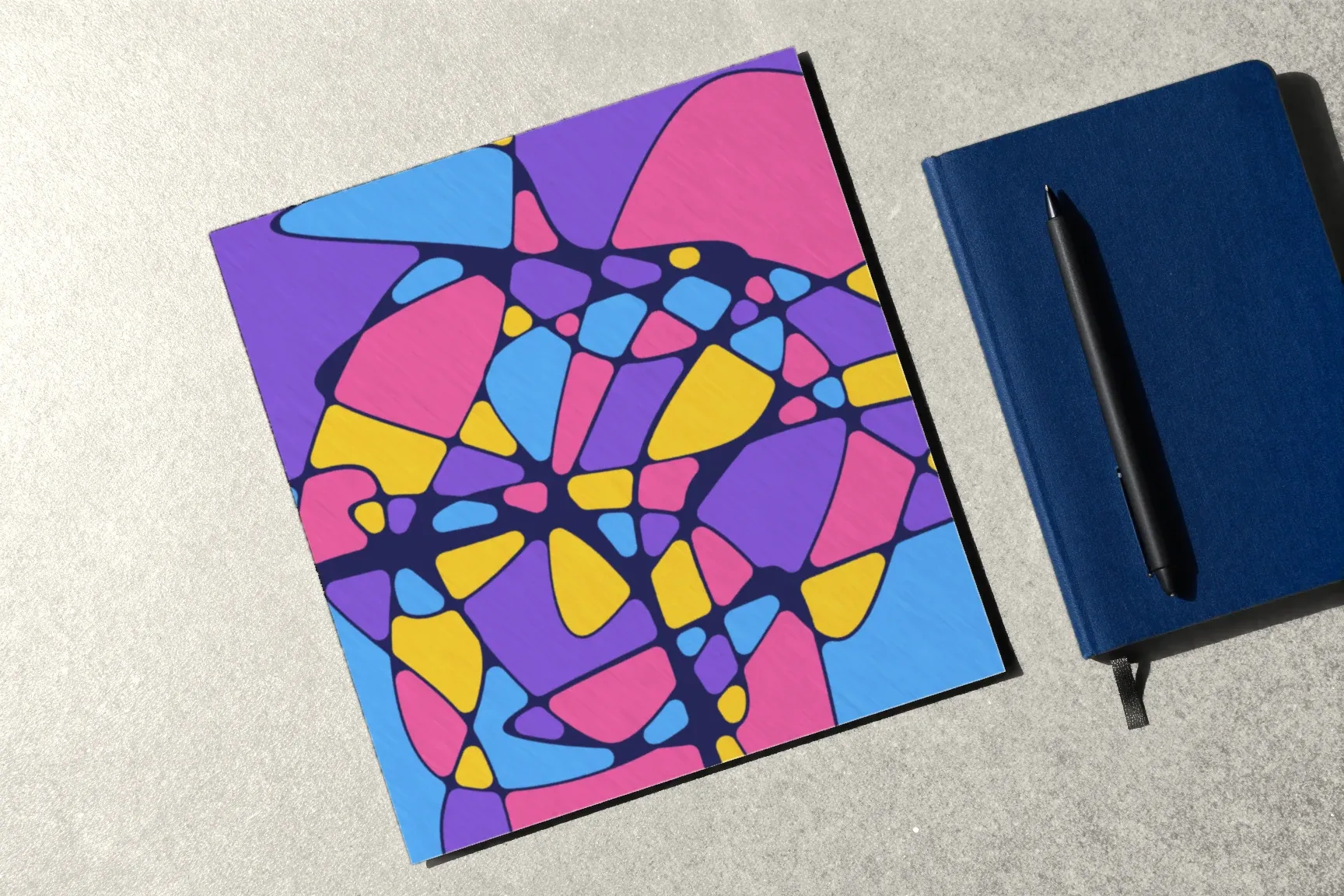
The drawing is done, and the page is on the table. What now? Often, nothing: the page goes in a drawer, and a week later you can’t remember what you drew or how. A practice journal is a simple way to change that: a photo of the drawing and a few words about it, after every session.
Here’s what a journal gives you, what to put in it, and how to keep it without turning it into one more obligation.
What a practice journal is
It isn’t a diary entry that fills a page, and it isn’t a report. A journal entry is:
- a photo of the page — the whole drawing, as it turned out;
- a few words — what you drew, how long it took, what you noticed;
- a date — so the entries line up into a sequence.
You can keep it in a paper notebook, your phone’s notes, or a dedicated app. Neurojournal has a private practice journal for exactly this: only you can see the photos and the words.
What a journal gives you
You can see the path
A single page tells you nothing about how your hand is changing. Twenty pages side by side do. Lines get bolder, rounding gets smoother, colors change. Without a journal this change happens unnoticed, and it can feel like “nothing’s working.”
You notice patterns
Entries show what a single page can’t: you keep choosing the same colors, always start in the top-left corner, run out of steam on rounding at the same point. A pattern isn’t a mistake — but once you see it, you can try something different.
You have something to come back to
Sometimes you want to repeat a page that worked: that palette, that pace of line. An entry tells you what you did back then.
Your practice becomes visible
A row of photos in a journal is a visible history of your sessions. With it in front of you, you want to add the next entry.
What to write
You don’t need to write much. Answering two or three questions is enough:
- What was on the page? A free drawing, an algorithm, a template; how many lines; which colors.
- How long did it take?
- What did you notice? Where you lingered, what came easily, what you want to try next time.
How to keep it from becoming a chore
- Write right after the session. While the page is on the table, it takes a minute. A day later, it’s an effort.
- Don’t grade. “Good” or “bad” isn’t what a journal is for. It records what happened; it doesn’t hand out marks.
- A short entry still counts. If you’re low on energy, a photo and one sentence will do.
- A missed entry is no big deal. Next time, just carry on.
How to look back through it
Once a week or once a month, look back over your entries. A few ways to do it:
- scroll through the photos in a row — that’s where the change shows best;
- reread your own words — they often remind you that you can now do things that once felt hard;
- compare the first page with the latest — the simplest way to see the path.
The journal is for you
A practice journal isn’t for showing anyone. That’s why the one in Neurojournal is private: only you can see the photos and entries, you can delete them one at a time, and you can download or delete all your data along with your account.
What comes next
How to take a photo where the drawing looks like the paper is in How to Photograph a Drawing, and the habits that help you stick with the practice are in How Not to Quit After a Week. The practice journal lives in your Neurojournal account, alongside the course; the first module of the course is open without an account — start there.