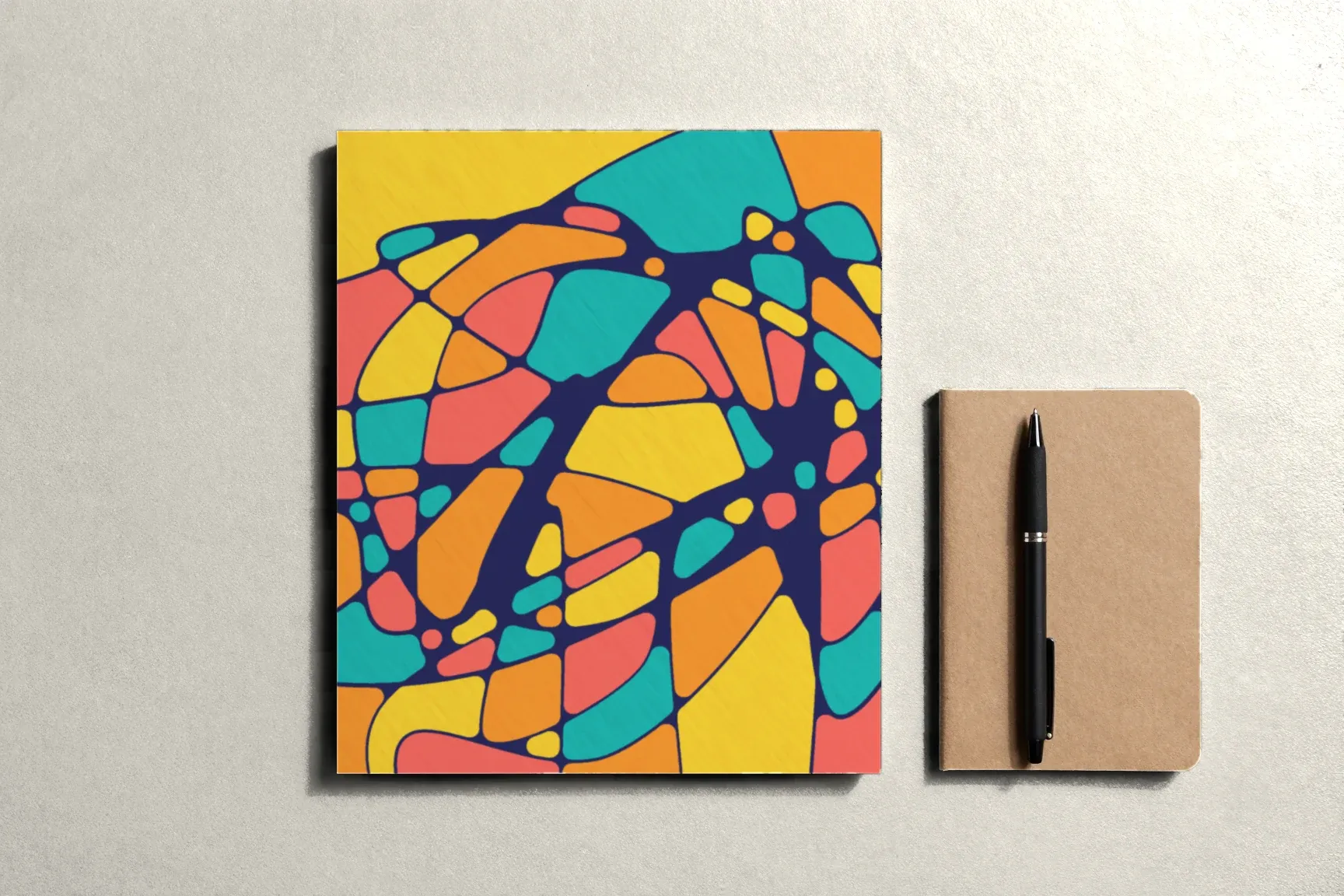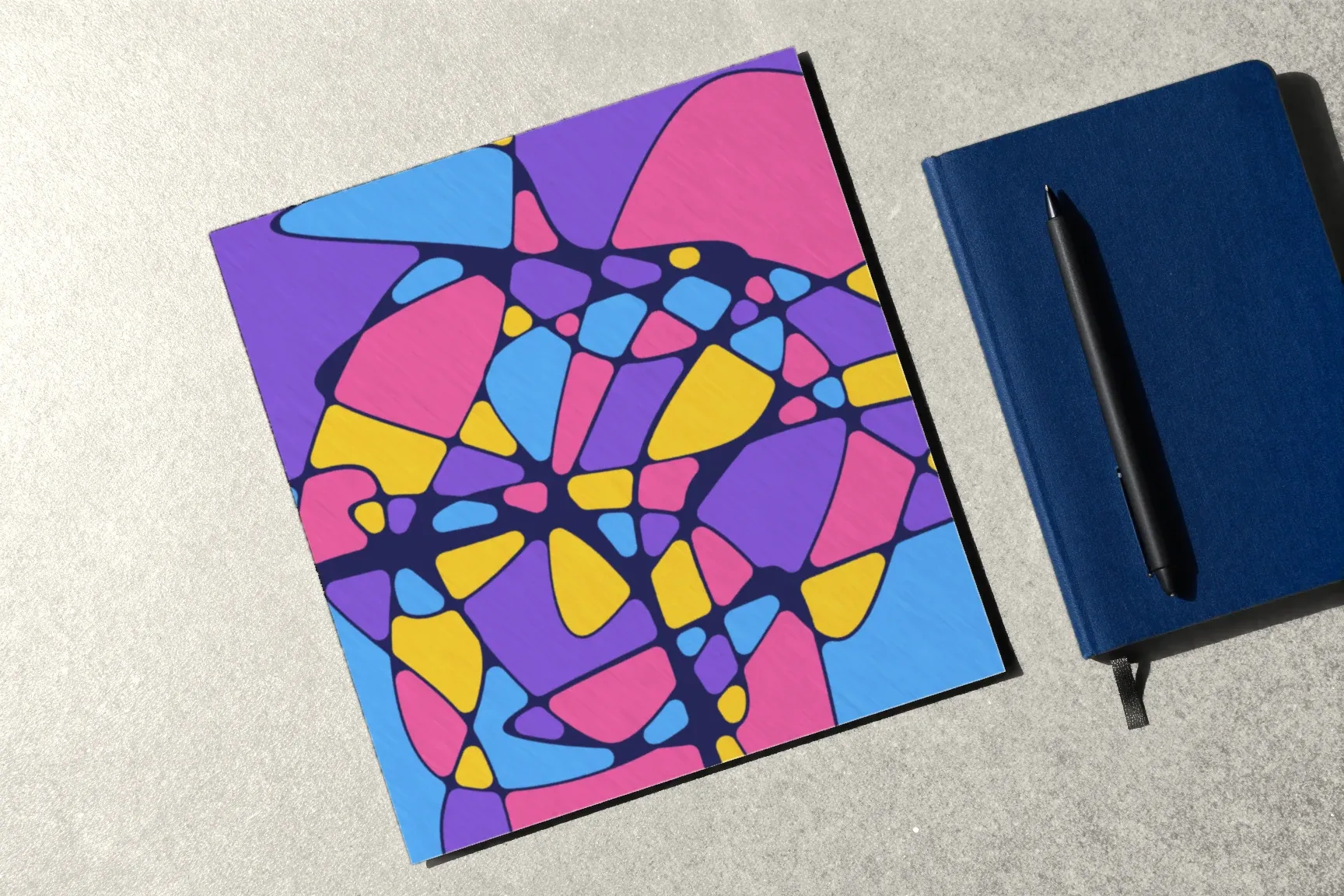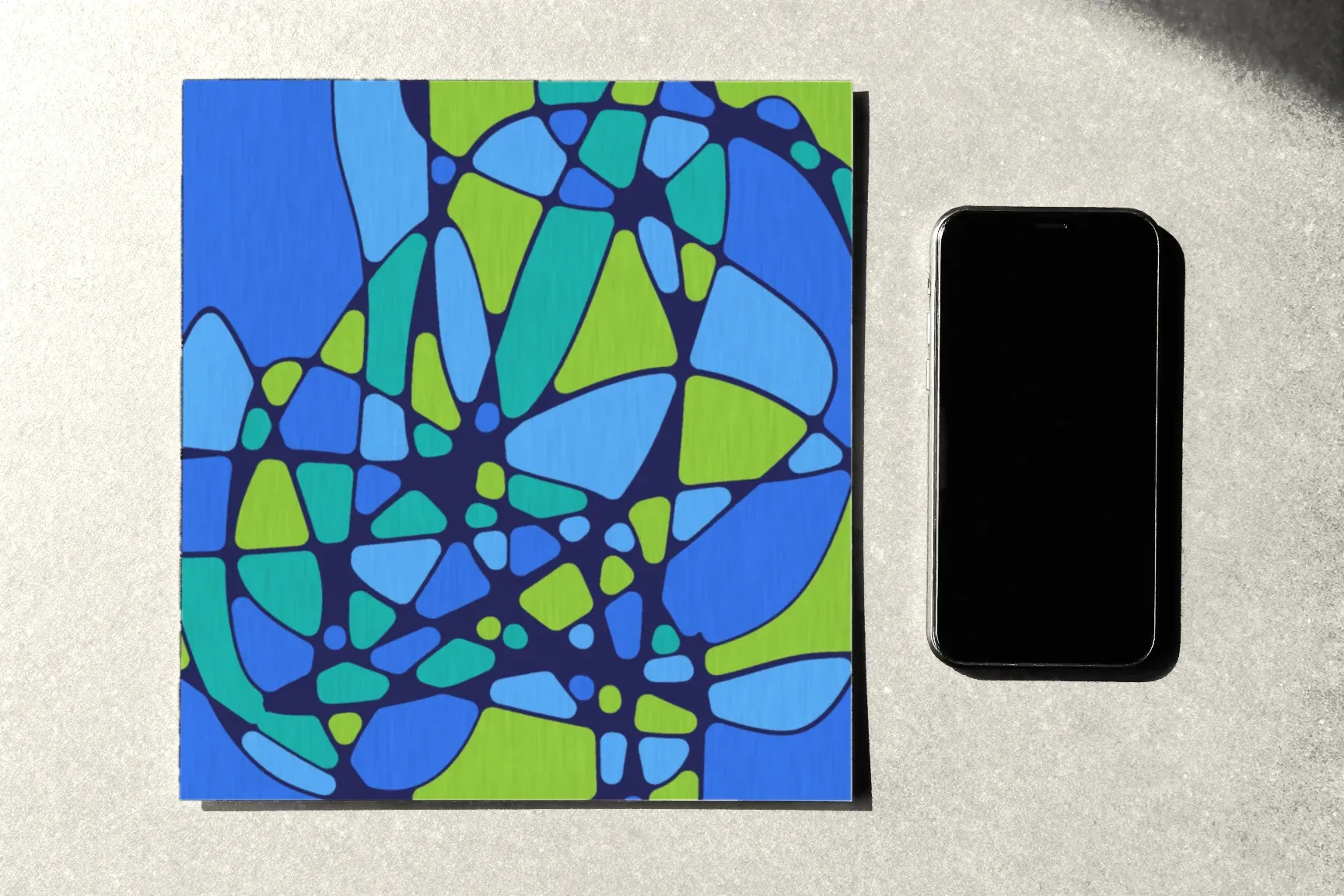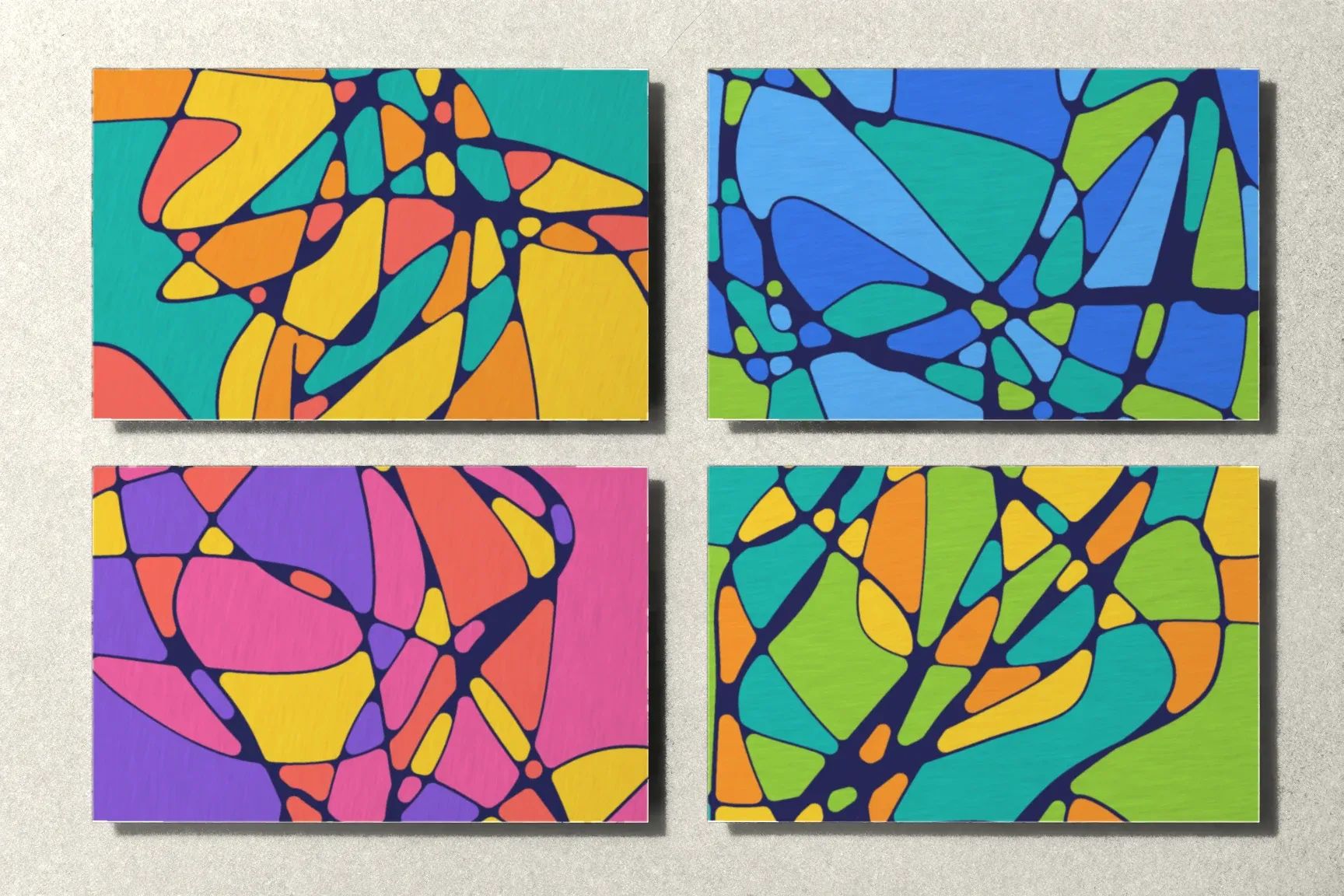
A month of regular sessions means twenty, thirty, or more pages. While you’re drawing day by day, the changes are invisible: each page looks a lot like the last. Lay the month out side by side, though, and the difference is obvious. That’s what a review is for — half an hour, once a month.
Here’s how to set up a review, what to compare, what to write down, and how to use it for the month ahead.
Getting ready
- Gather every page from the month — from the folder, the drawer, the sketchbook. If you keep a practice journal, open the month’s photos.
- Lay them out by date — on a table, on the floor, or on a screen. What matters is seeing several pages at once.
- Put the first and last next to each other. That pair is usually where a review begins.
What to compare
The line
- Has it become freer, with more unexpected turns?
- Are “even waves” — the ones your hand draws on autopilot — showing up less often?
- Do the lines reach the edges of the page?
Rounding
- Are the curves deeper and smoother?
- Are there fewer missed corners?
- Is the rounding style consistent across the page?
Composition
- Is the page evenly filled?
- How many lines do you usually draw — and has that changed?
- Have shapes or algorithms appeared?
Color
- Which colors show up most?
- Has your palette changed over the month?
- Do you leave any cells white?
What to write down
After the review, write a few lines. Here’s a simple template:
- How many pages this month, and how many of them were algorithms.
- What changed — one or two specific things: “deeper rounding,” “bolder lines.”
- What keeps repeating — something you noticed on many pages.
- Your favorite page of the month — and why that one.
- What to try next month — one or two things.
How to use the review
A review isn’t a grade; it’s a pointer. A few examples of what can come out of one:
- you notice you always pick blues → try a warm palette next month;
- you see the rounding gets rushed at the end → draw fewer lines;
- not a single algorithm all month → try one on a weekend;
- the drawings all look alike → change the paper size or orientation.
What to do with the pages afterward
- Keep them together: a folder with sleeves or a box labeled with the month.
- Pick one or two favorites — they can go in a frame or on a shelf.
- Don’t throw the rest out right away. A few months later, comparing month with month is even more interesting.
How often to review
Once a month is a comfortable rhythm: enough pages to see change, not so many that you get lost. A shorter look once a week helps too: five minutes, just the week’s pages side by side.
What comes next
What to write after each drawing, so there’s something to review later, is in What to Write After a Drawing: 15 Questions; why keep a journal at all is in Why Keep a Practice Journal. In the Neurojournal course, the practice journal shows all your drawings by date. The first module of the course is open without an account — start there.