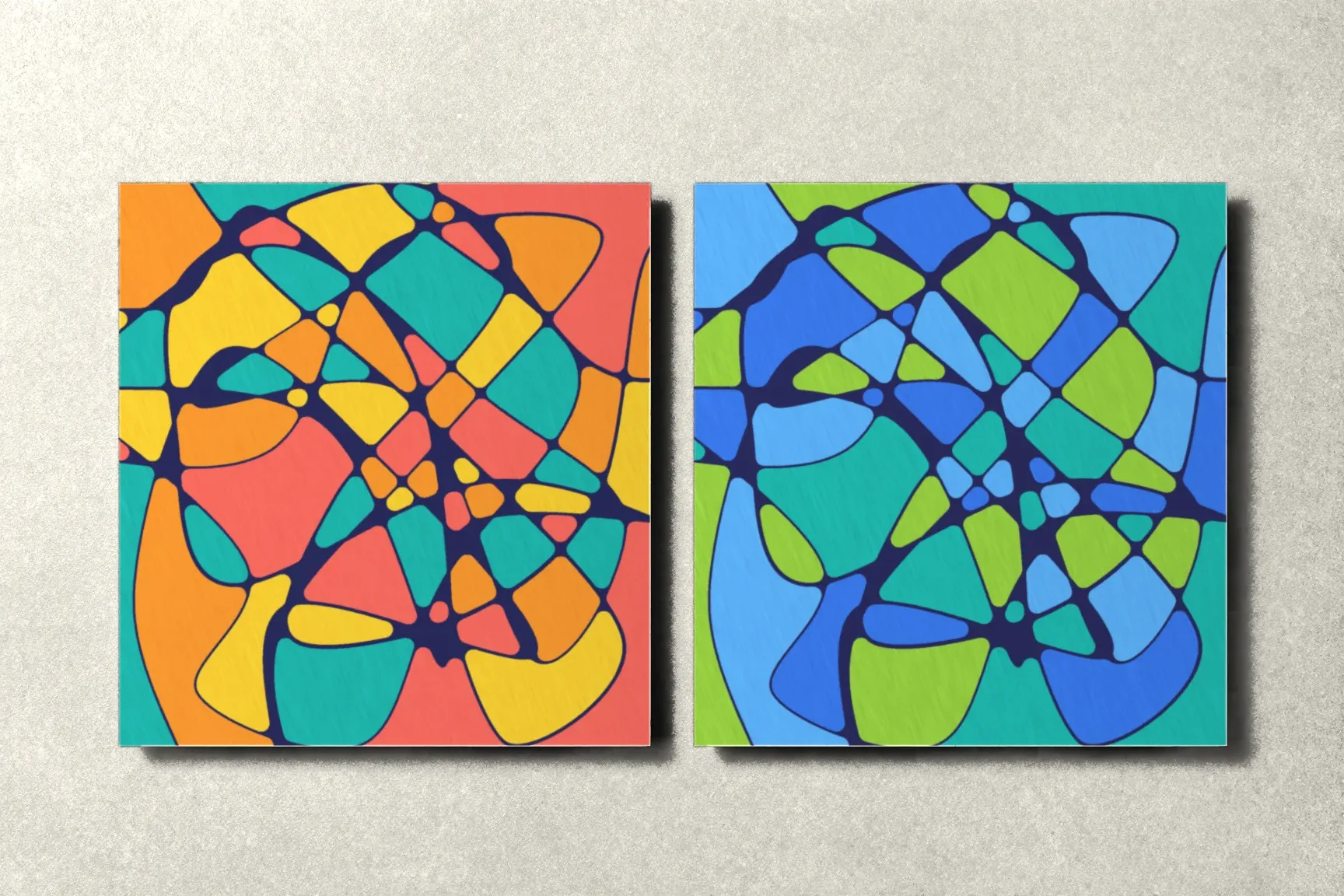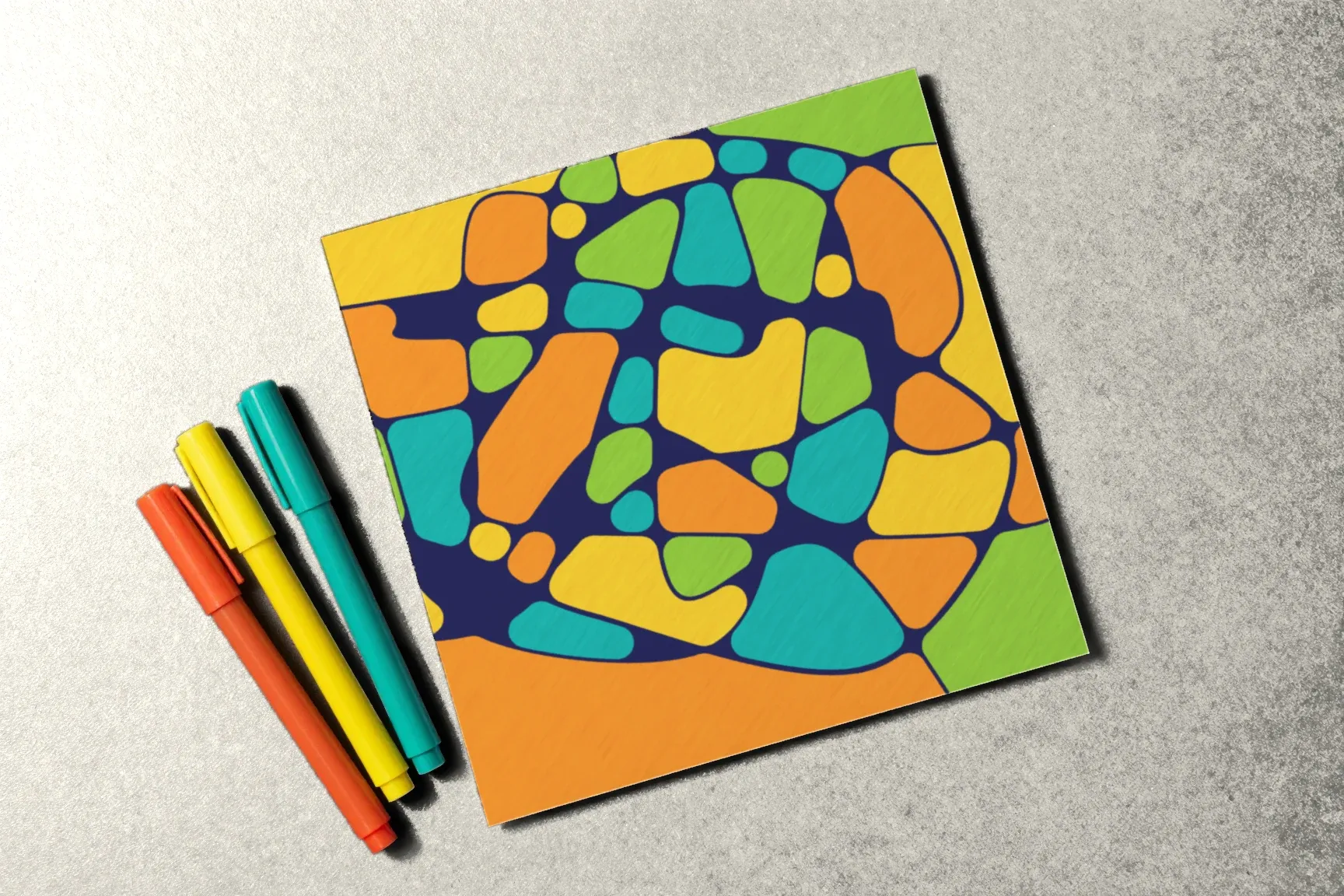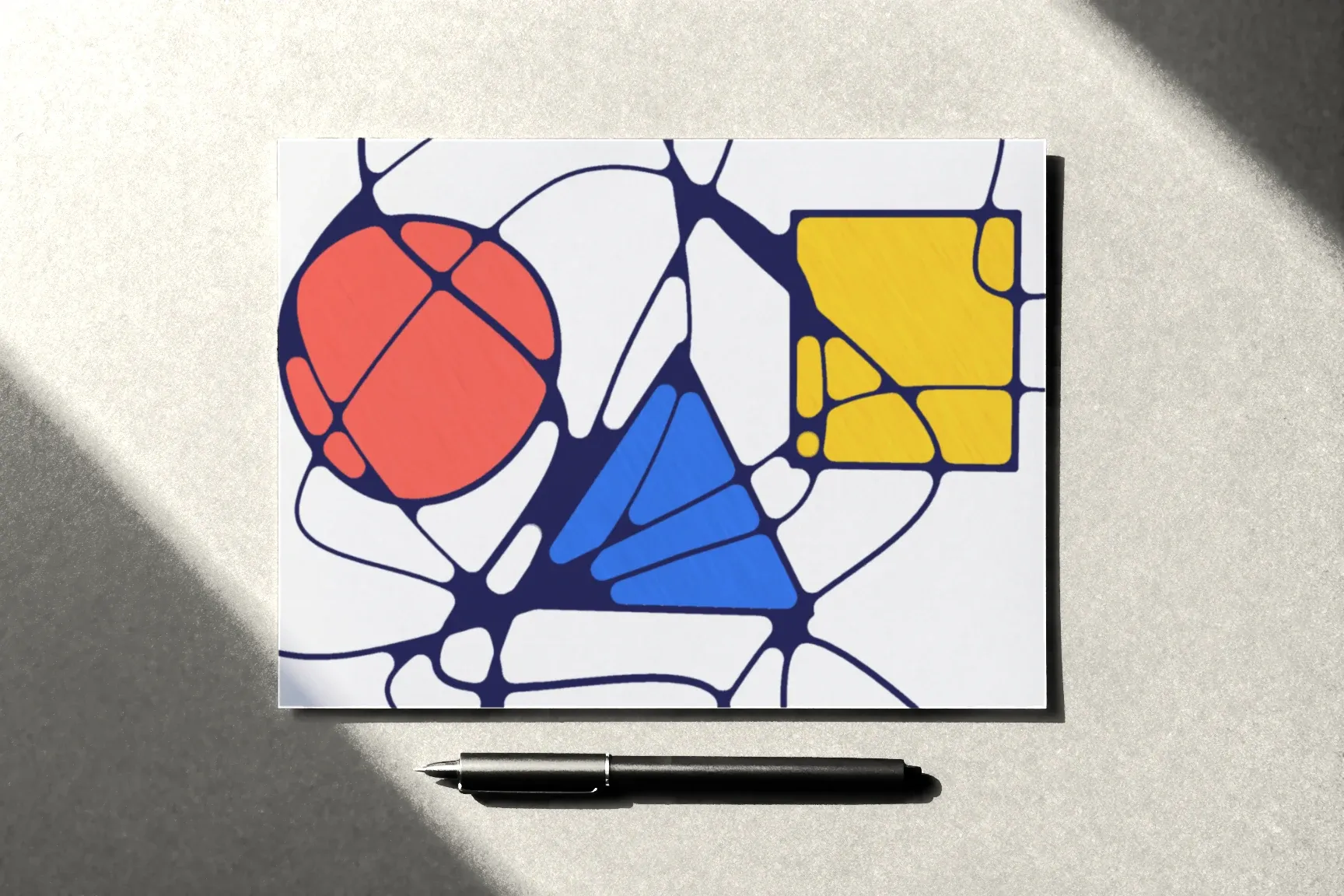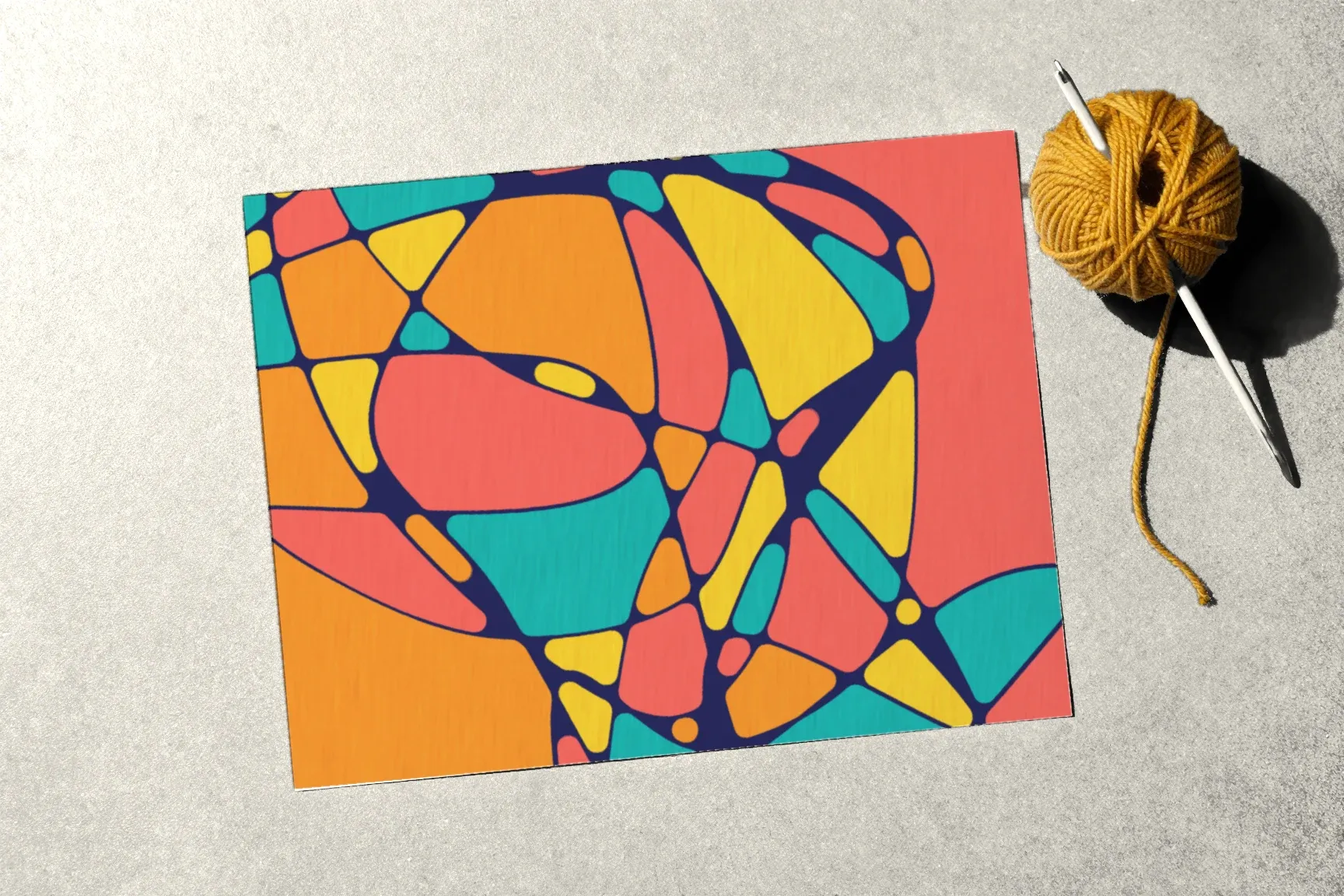
Almost everything in our day happens on a screen: work, news, conversations, downtime. That makes it all the more noticeable when people go looking for something with no screen at all — a paper journal, a film camera, knitting, pottery, drawing by hand. These are often called slow hobbies: they don’t hurry, and they don’t try to be efficient.
Here’s what people find in them, and where transformational drawing fits in.
What makes a hobby slow
A slow hobby is one with no goal of “getting it done”:
- it happens with your hands, with materials you can touch;
- you can’t speed it up without hurting the result: a stitch takes as long as a stitch takes;
- the result sticks around — an object, a page, a print you can hold;
- there’s no feed: no likes, no notifications, no next video.
What people find in it
Everyone finds something different, but a few reasons come up again and again when people talk about choosing a paper-based pastime:
Something you can hold
A drawn page, a knitted scarf, a developed print — at the end of the evening, there’s something real on the table. Digital work often disappears into a folder on a drive; this you can put on a shelf.
Your own pace
Nothing rushes you: no deadline, no “next episode.” You can stop halfway and come back tomorrow.
Time without notifications
A paper hobby simply doesn’t need a phone. You can leave it in another room, and for half an hour nothing interrupts.
Using your hands
Many people who type all day describe enjoying having their hands busy with something else: holding a pen, a brush, knitting needles.
No need to be the best
A slow hobby isn’t a competition. You don’t do it to post and be rated — though you can if you like. You do it for yourself.
Where transformational drawing fits
Transformational drawing sits comfortably in this company:
- on paper: a sheet, a pen, markers;
- at your own pace: one drawing takes anywhere from half an hour to an evening;
- slow by nature: you can’t rush rounding the crossings, and that’s where most of the time goes;
- with something to show for it: a page you can file away, hang on the wall, or give to someone.
You read the Neurojournal course on a screen, but the process itself happens on paper: your phone is only for reading the lesson and photographing the page for your journal.
How to make time for a slow hobby
- Tie it to a familiar moment: after dinner, on a Sunday morning.
- Keep your supplies ready, so no time goes to hunting for them.
- Leave your phone in another room while you work.
- Start small: half an hour once a week is already a rhythm.
What comes next
How to spend a first evening with the technique is in How to Start Drawing as an Adult, how to fit sessions into a busy week is in 20 Minutes a Day, and how to set up a spot is in A Drawing Corner at Home. The first module of the Neurojournal course is open without an account — start there.