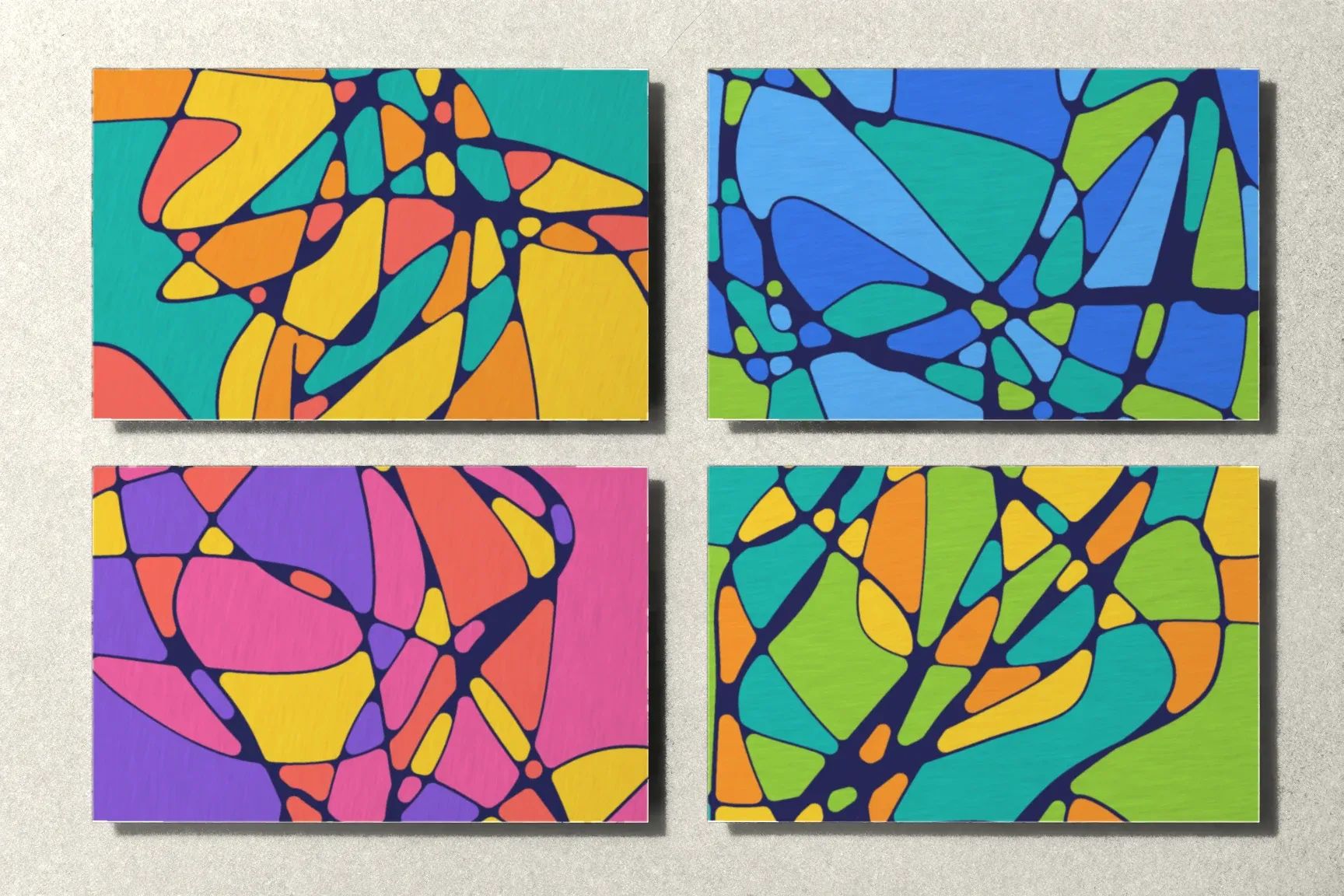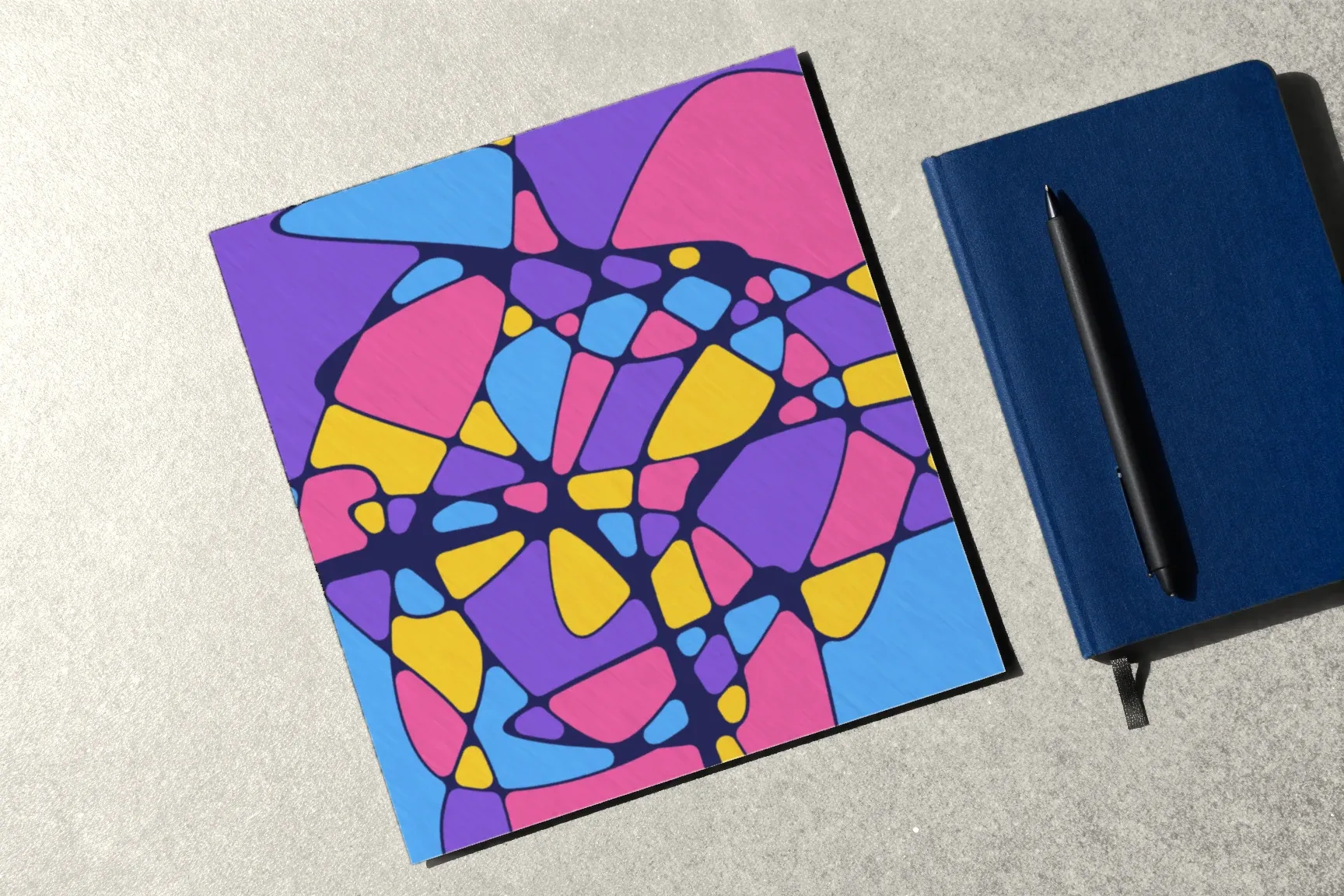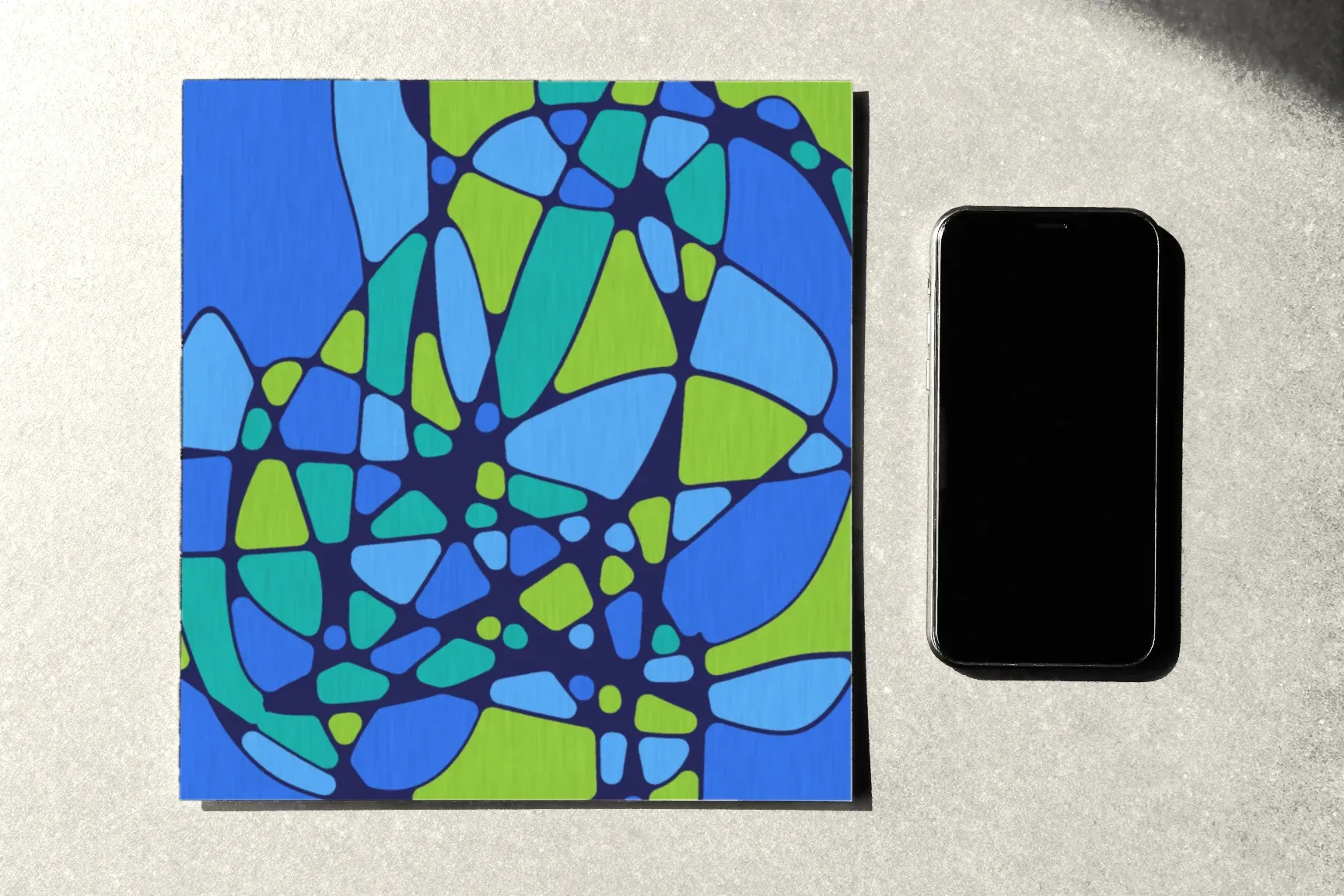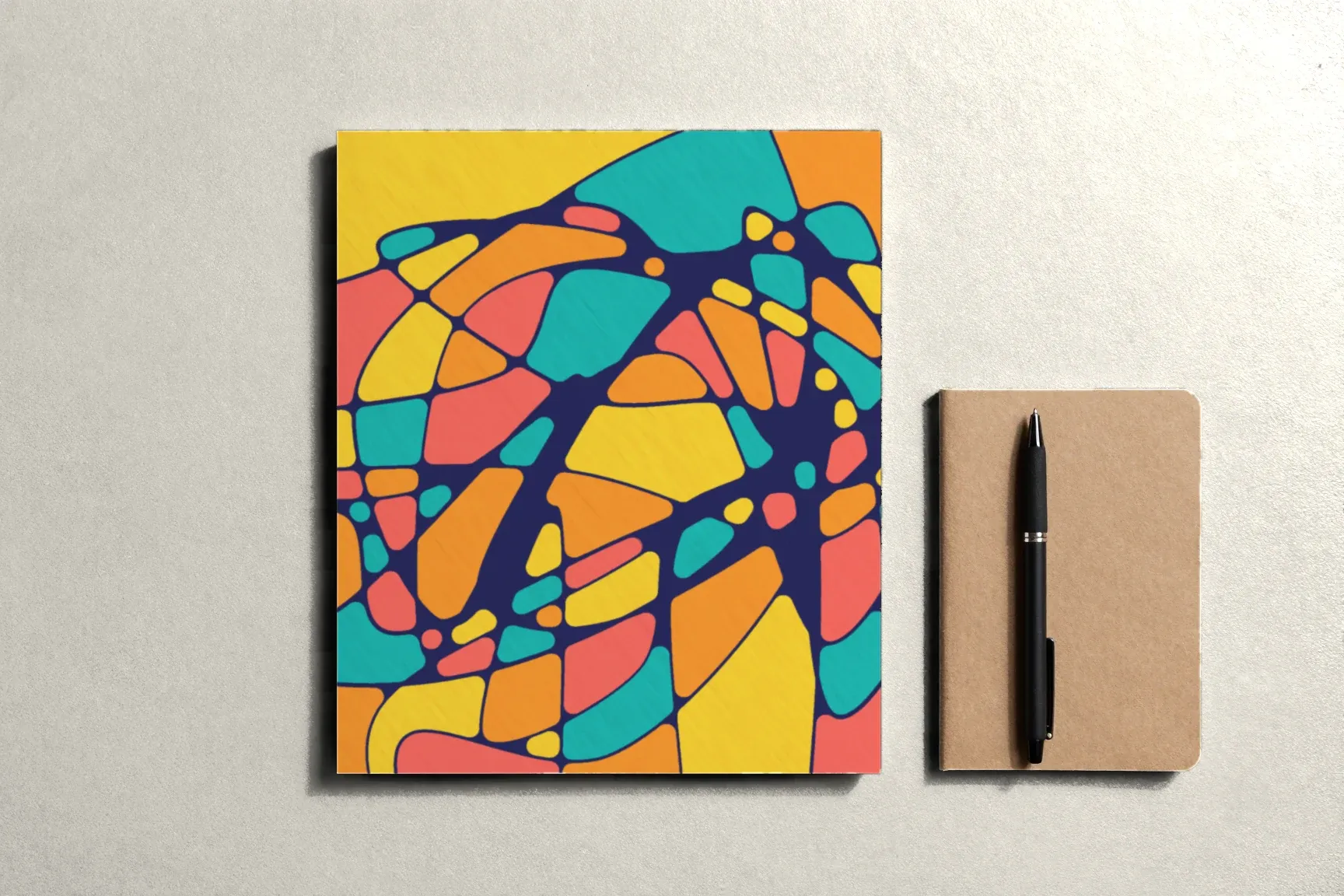
A practice journal is a photo of the drawing and a few words about it. But the “few words” are often the hardest part: you look at the empty field and don’t know what to say. The easiest fix is to keep a handful of questions nearby and answer two or three of them each time.
Here are fifteen questions in five groups. Pick the ones that speak to you, and don’t try to answer them all at once.
About the process
- How long did the drawing take? The simplest question and one of the most useful: a month from now you’ll see how your pace has changed.
- Which step did I spend the most time on? Lines, rounding, color — where most of the time went, and why.
- What came easily? It’s worth noting not only what was hard but what already happens on its own.
- Did I want to stop halfway? If so, at which step? That’s a clue to where to try something different.
About the page
- How many lines did I draw, and was there room to round?
- Where did the page get dense, and where did it stay empty? Noticing how lines are spread is the first step toward composing on purpose.
- Is there a spot I’d like to redo? You don’t have to redo it — just note it.
- What’s new on this page compared with the last one?
About color
- Which colors did I choose, and why those?
- Is there a color I keep reaching for?
- Which cell do I like best?
About the experience
- What did I notice while I was drawing? Sounds, thoughts, the pace of my hand — anything.
- Did the pace of the line change from start to finish?
About next time
- What do I want to try next time? A different size, more lines, a shape, new colors.
- What from this page is worth repeating?
How to use the list
- Two or three questions at a time. Fifteen answers after every drawing is a diary, not a note — and long entries get old fast.
- Rotate the groups. Process today, color tomorrow. Over a week, you’ll have the full picture.
- Write it as it is. No “right” answers and no grades. “Rounding is boring” is a useful entry too.
- Keep it short. A sentence or two per question.
A sample entry
October 14, 40 minutes. Four lines; rounding took half an hour, and I rushed at the end. Colors: blue, teal, yellow. Next time: three lines, so I’m not rushing the rounding.
An entry like that takes a minute, and after a month, a dozen such lines show how your pace, your colors, and your confidence have changed.
What comes next
Why keep a journal at all, and how not to let it lapse, is in Why Keep a Practice Journal; how to photograph your drawing for an entry is in How to Photograph a Drawing. In the Neurojournal course, the practice journal is private: only you can see your entries. The first module of the course is open without an account — start there.