In a free drawing, you decide how many lines to draw, when to add a shape, and when to stop. In an algorithm, those decisions have already been made: there’s a sequence of steps, and every action has its place. You simply move from the first step to the last.
Here’s what an algorithm is in transformational drawing, what steps it’s made of, how it differs from a free drawing, and how to work through one from start to finish.
An algorithm is a sequence of steps
An algorithm is a preset order of actions on a single sheet. It uses the same elements as a free drawing — lines, rounding, shapes, general lines across the whole page. The difference is that the order and number of steps are fixed in advance.
Each algorithm in the course has a theme and a name, and before the drawing there’s a step where you put into words what you’ll be thinking about as you work. Then come the steps on paper, and nearly every other one is rounding the new crossings.
What the steps are
Each algorithm has its own steps, but the backbone is similar. Here’s how the course’s first algorithm is built:
- Forming the request — pick a topic you want to work with and rate how much it matters to you on a scale of 1 to 10.
- Release — draw a spontaneous line on a clean sheet, sharply and quickly, without thinking about how it looks.
- Rounding — smooth the corners that formed where the lines cross.
- Integration — fill the empty space on the page with new lines so the original release dissolves among them.
- Rounding the new crossings.
- Circle — draw a circle, choosing its place and size intuitively.
- Rounding.
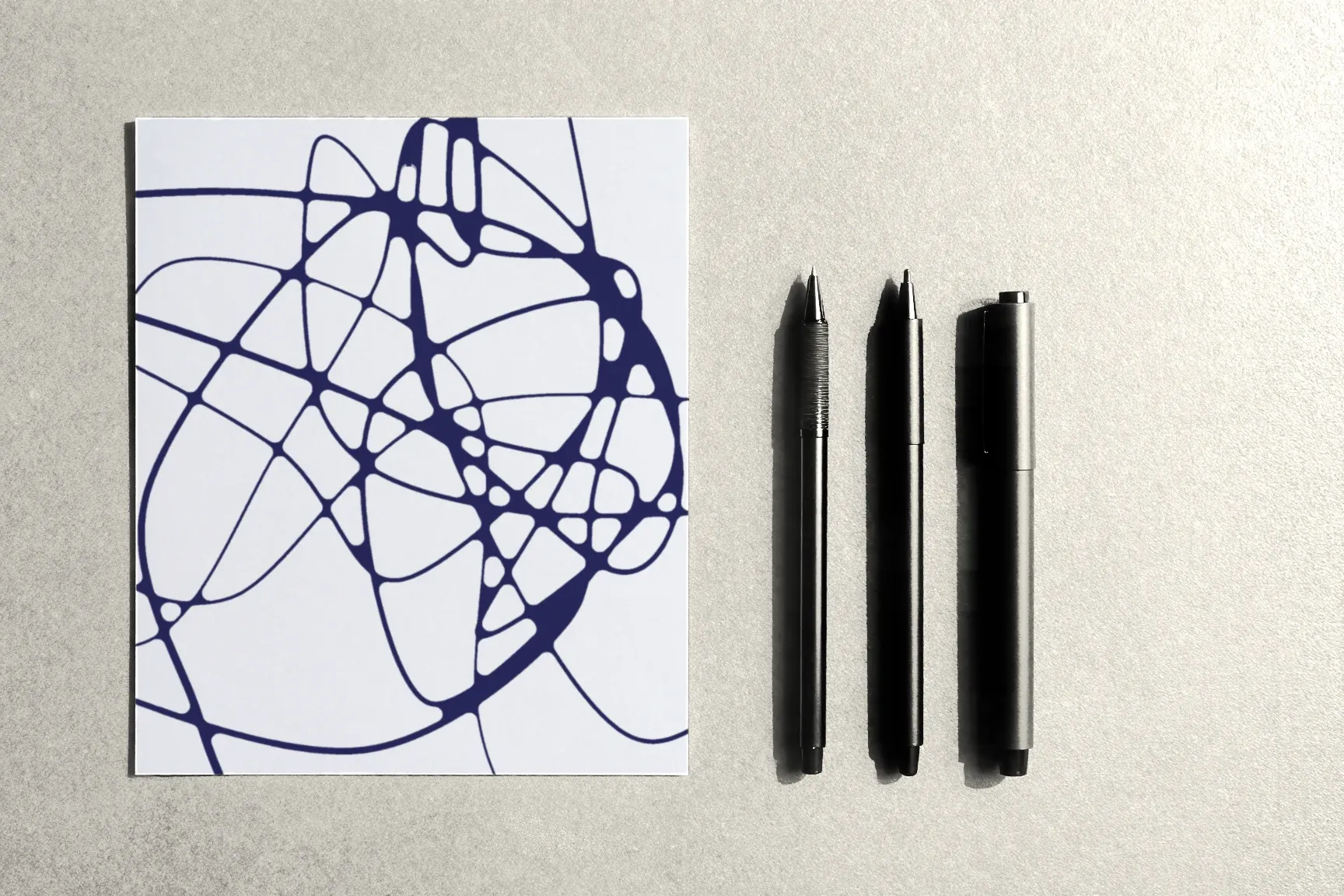
- General lines — two or three lines across the whole sheet that seem to begin and end far beyond its edges.
- Rounding.
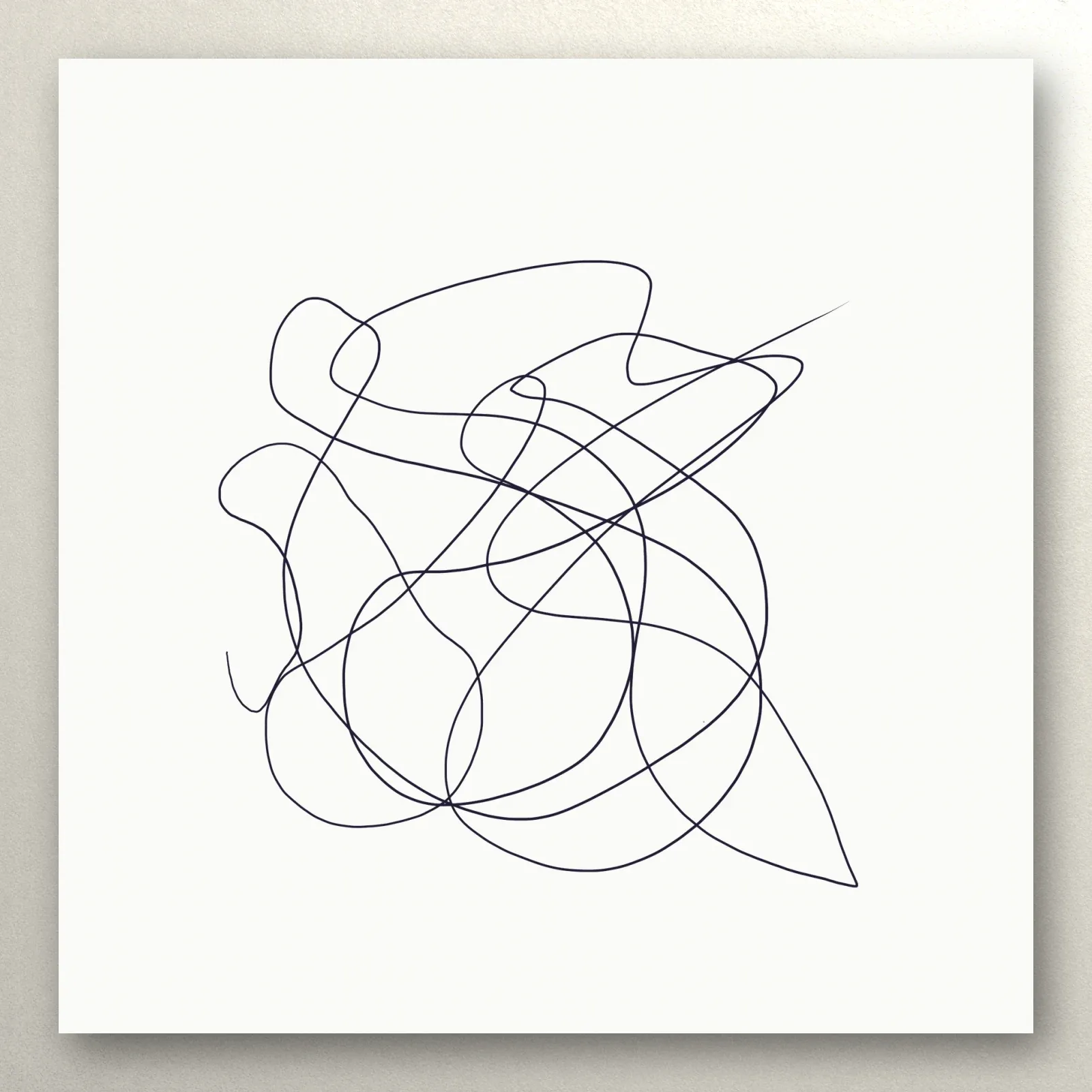
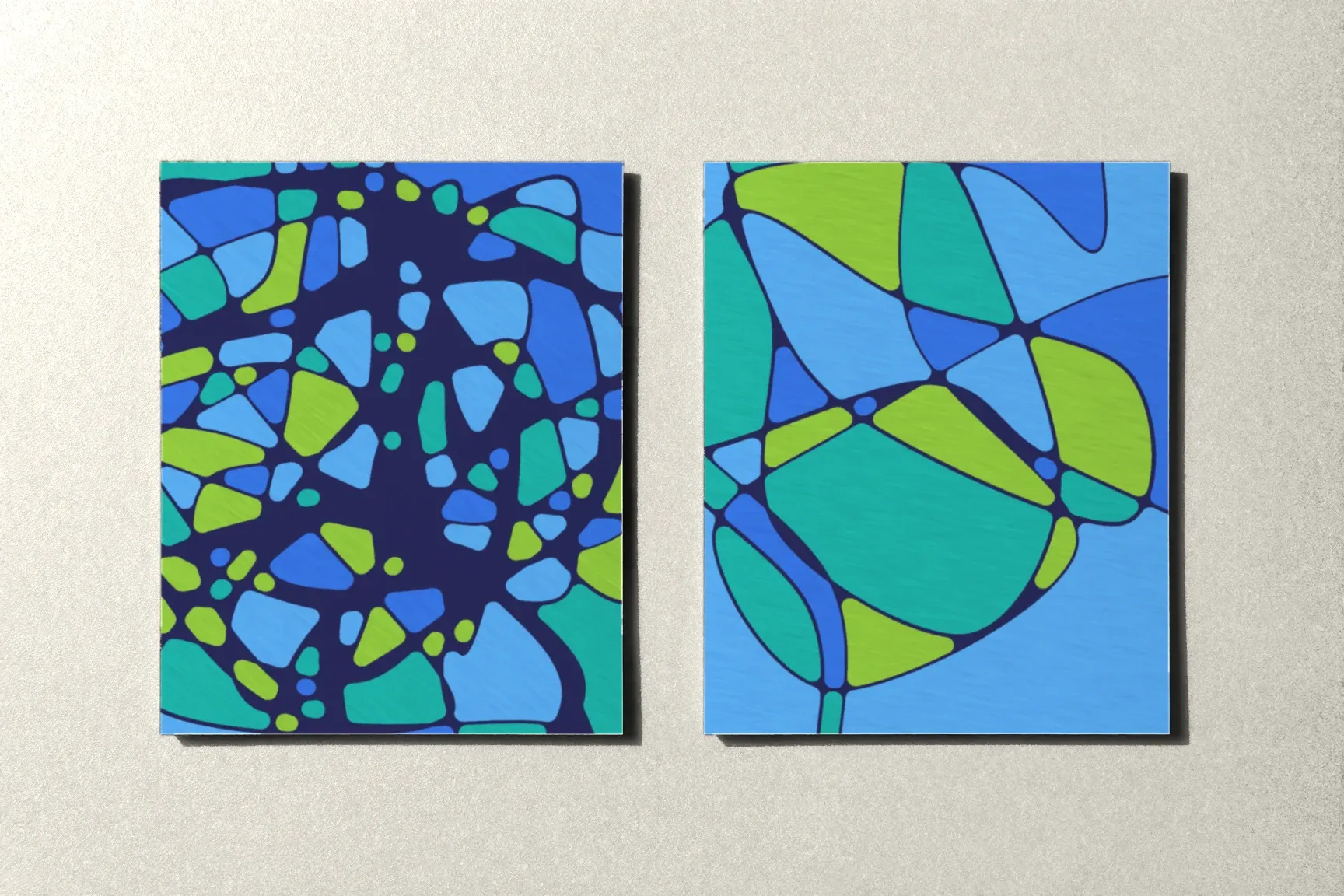
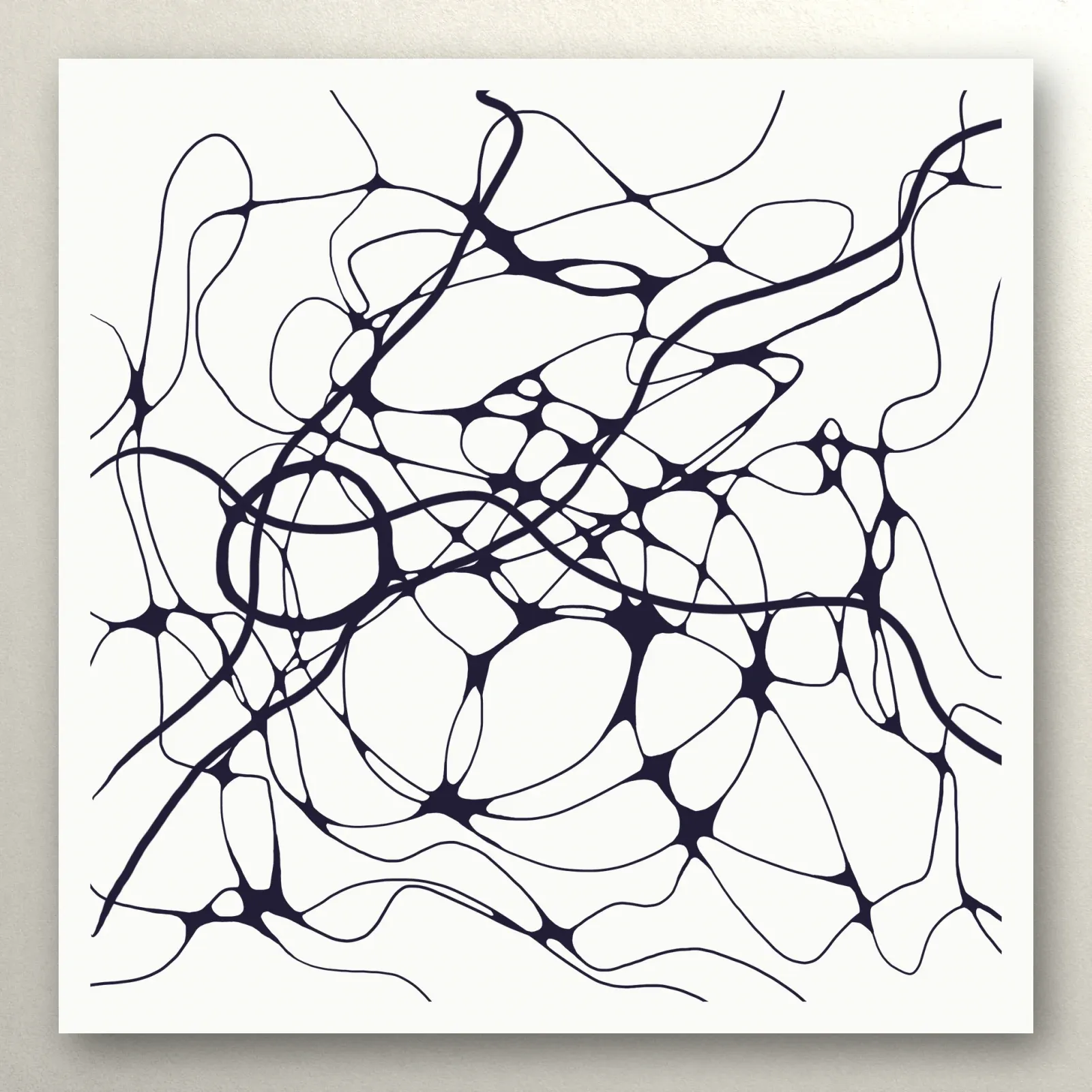
In the course, each step on paper is shown as its own frame of the same drawing — from the sharp tangle of lines at step two to the general lines across the whole sheet at step eight.
How an algorithm differs from a free drawing
- Order of actions. In a free drawing you decide; in an algorithm the steps set it.
- Theme. Optional in a free drawing; in an algorithm you name it at the first step.
- Shapes. In a free drawing, whenever you like; in an algorithm, at set steps.
- Rounding. A free drawing usually has one round of it, after the lines; an algorithm has one after every new element.
- Length. A free drawing fits into half an hour; an algorithm usually takes longer, since there are more steps.
Both formats are equally valid. A free drawing is great for short sessions and for loosening up. An algorithm suits an evening when you want to go from start to finish without deciding each time what to do next.
How to work through an algorithm
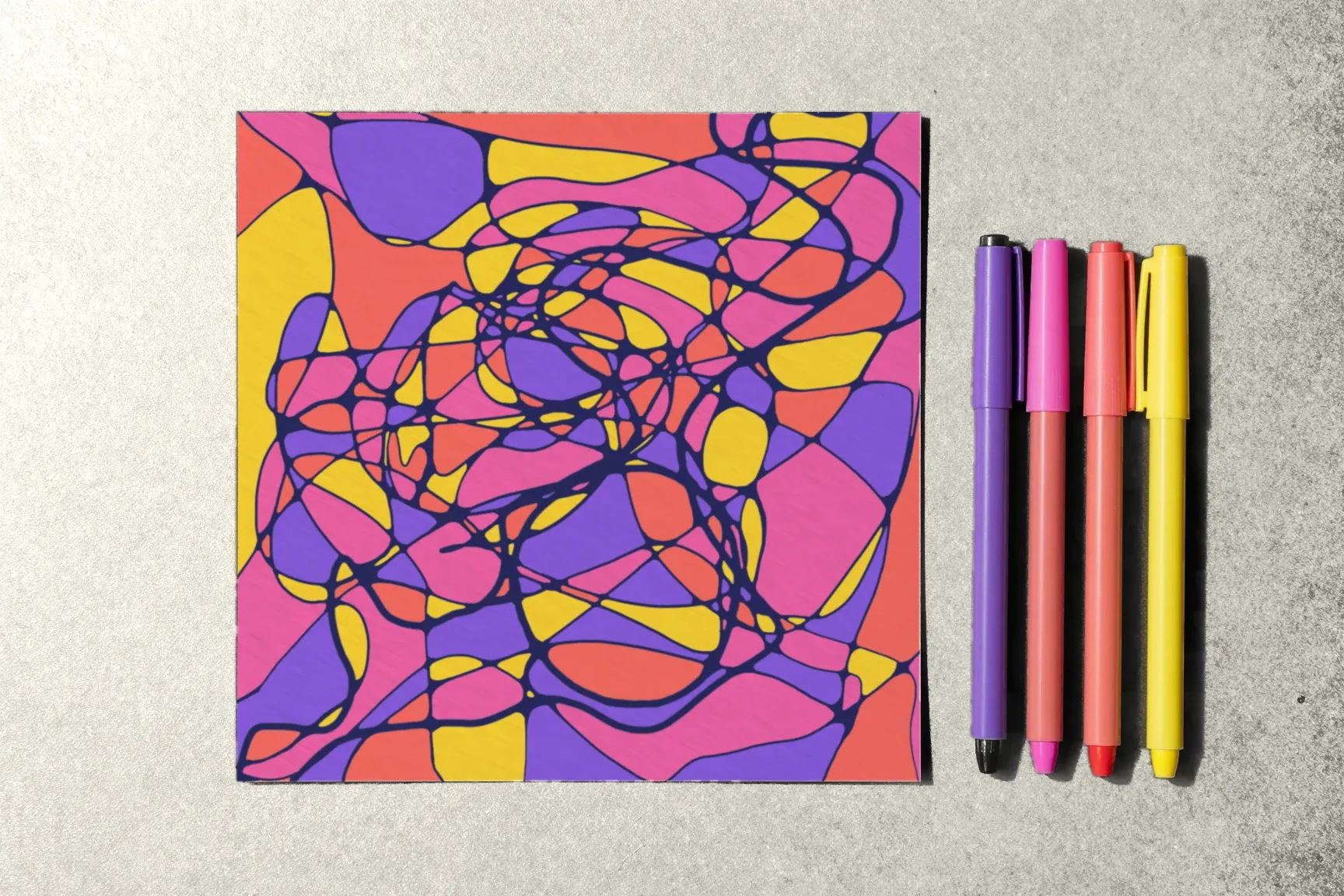
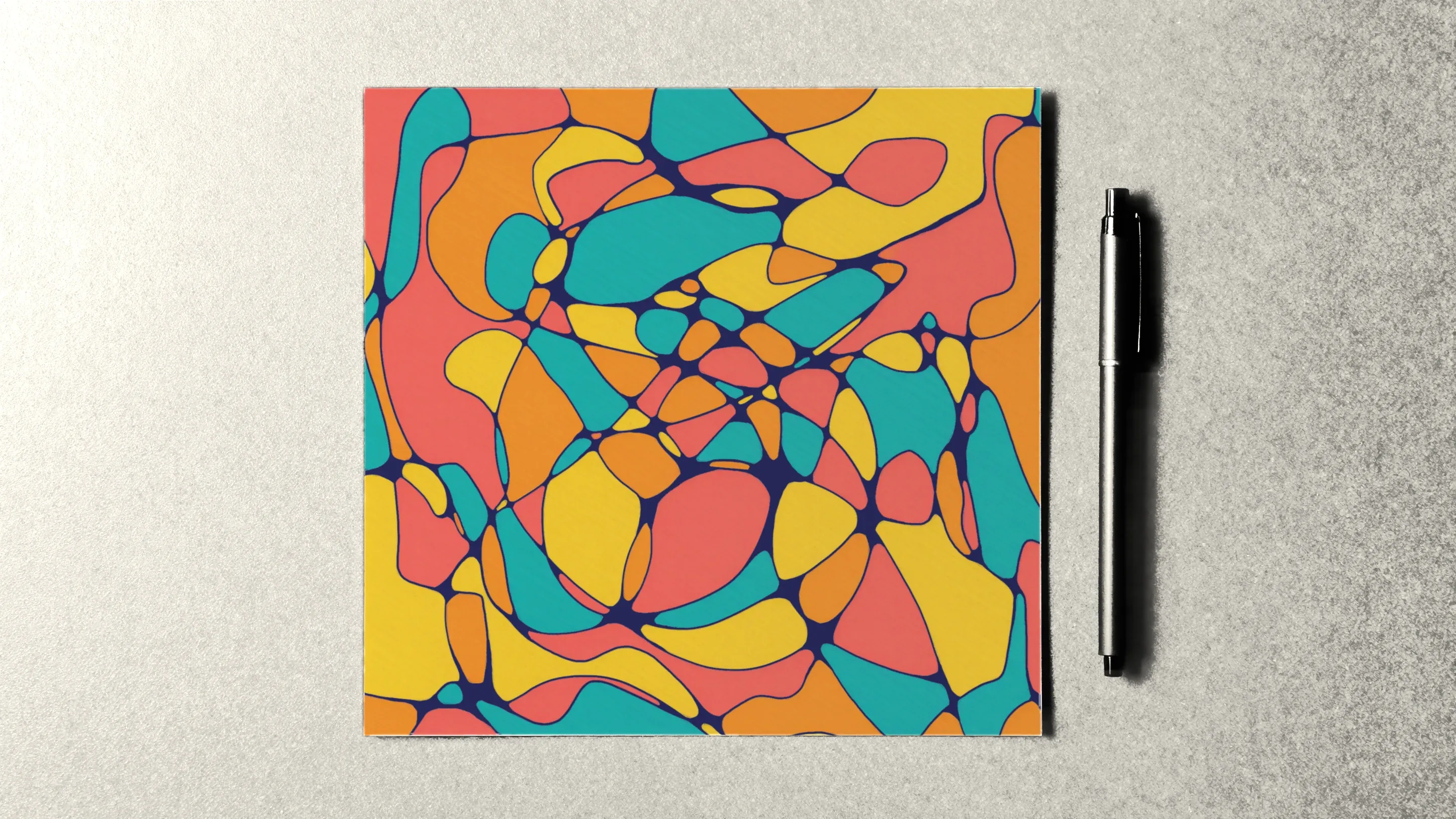
Get everything ready at once. Paper, a pen for the lines, a bolder pen for rounding. The course’s algorithms don’t include coloring, but you can add color once you’re done.
Read all the steps before you start. That way you know what’s coming and won’t stall in the middle.
Don’t skip the rounding. An algorithm has a lot of rounding steps, and it’s tempting to “save time” by doing them all at the end. But each rounding is where it is for a reason: new lines go onto a drawing that’s already been smoothed.
Set aside one evening. An algorithm is one complete drawing. Spreading it over several days is awkward — the course suggests finishing the rounding the same day.
Write down what happened. After the last step, look at the sheet and jot down a few words: which topic you chose, which step you lingered on, what you noticed. The course suggests one more thing: return to your rating from the first step and look at your topic again.
How long it takes
Your first algorithm may take an hour to an hour and a half, most of it spent rounding. With practice the steps go faster, and an algorithm fits into an ordinary evening.
How many algorithms to do
The course has three algorithms of nine or ten steps each. You can go through them in order or keep returning to the same one with a new topic. Every pass is a new drawing, because a free line never repeats itself.
What comes next
Before the algorithms, it’s worth being comfortable with the basic steps: the free line, rounding, and shapes. In the Neurojournal course, the algorithms live in the module of the same name: first a lesson on what a themed algorithm is, then three algorithms with step-by-step frames. The first module of the course is open without an account — start there.