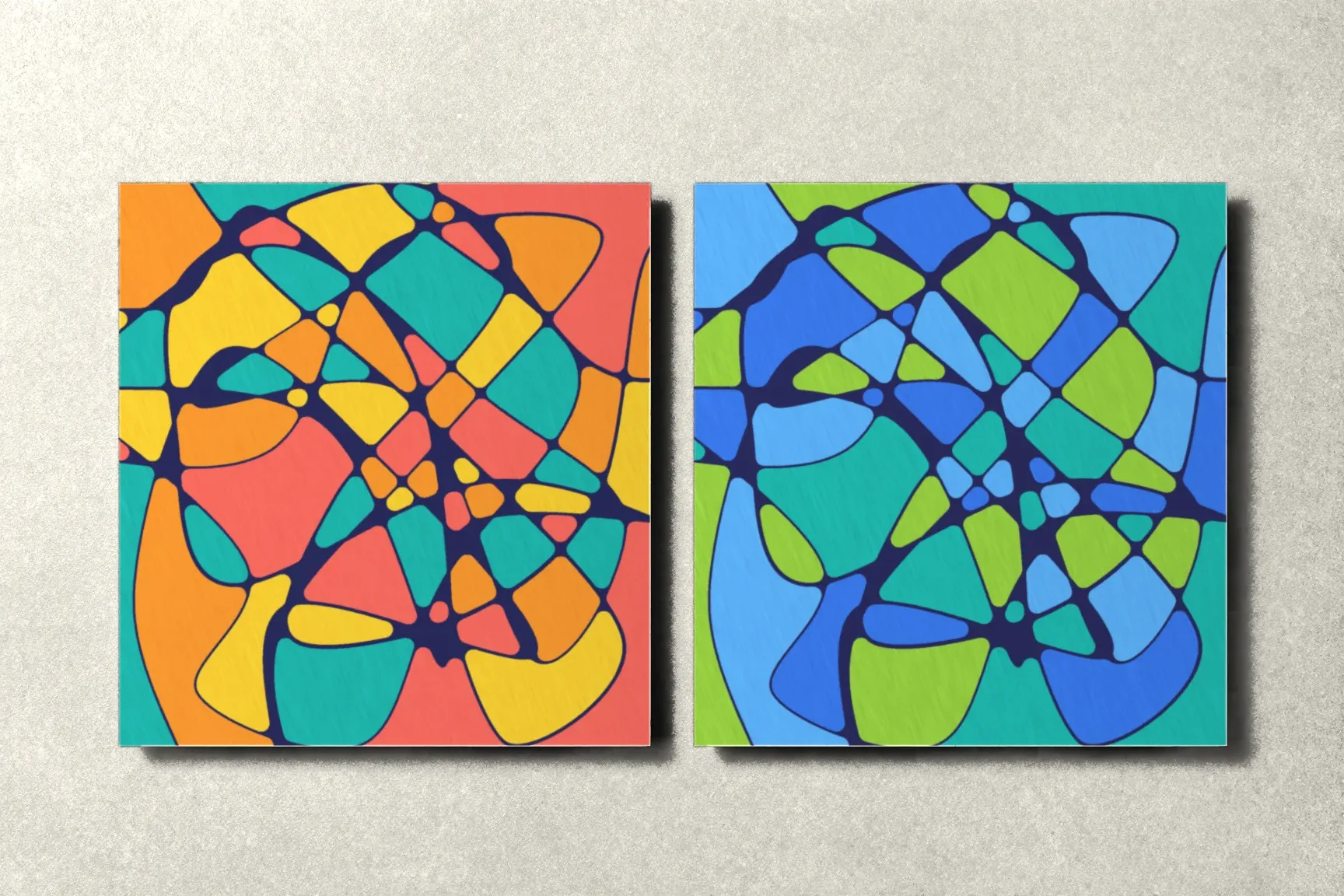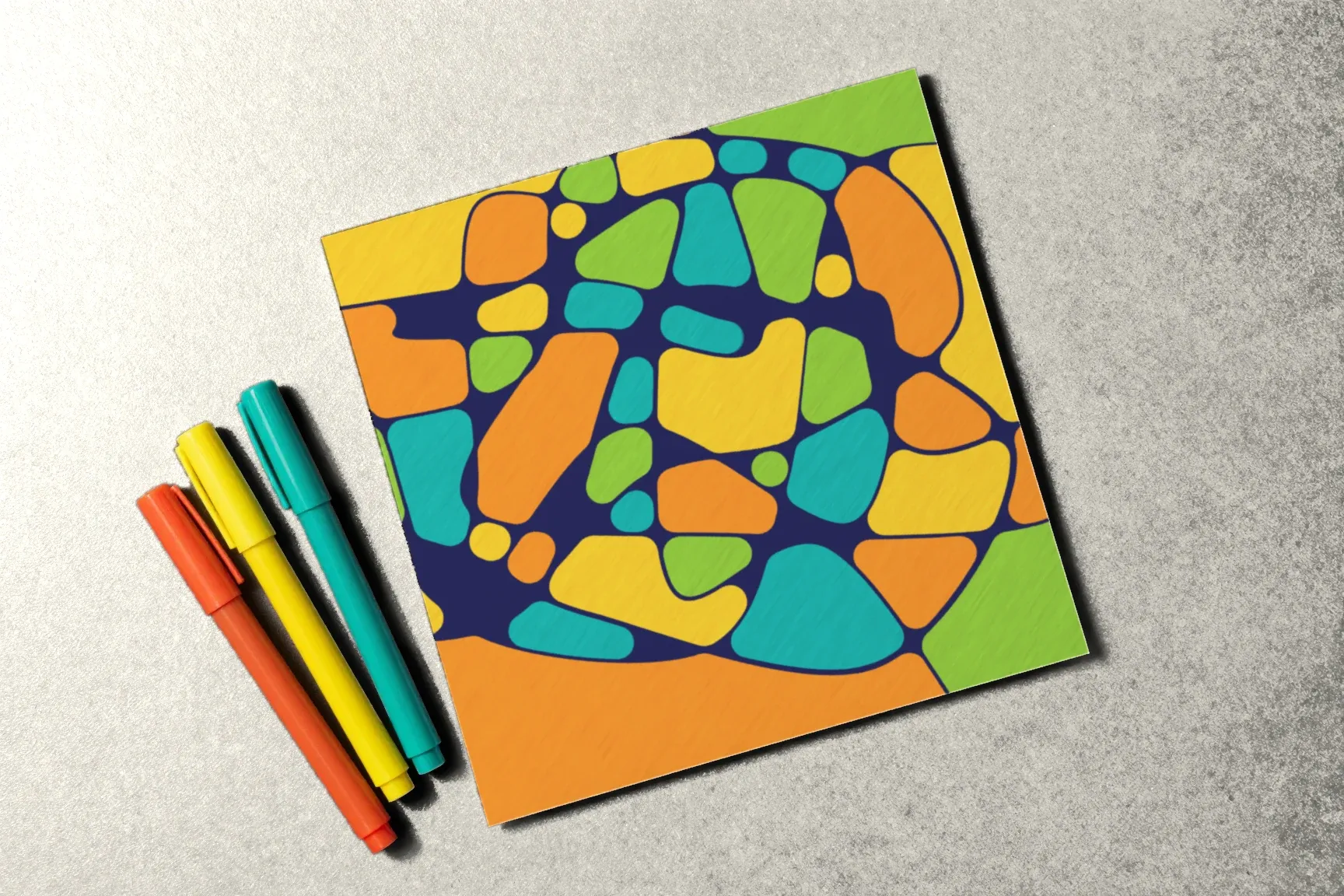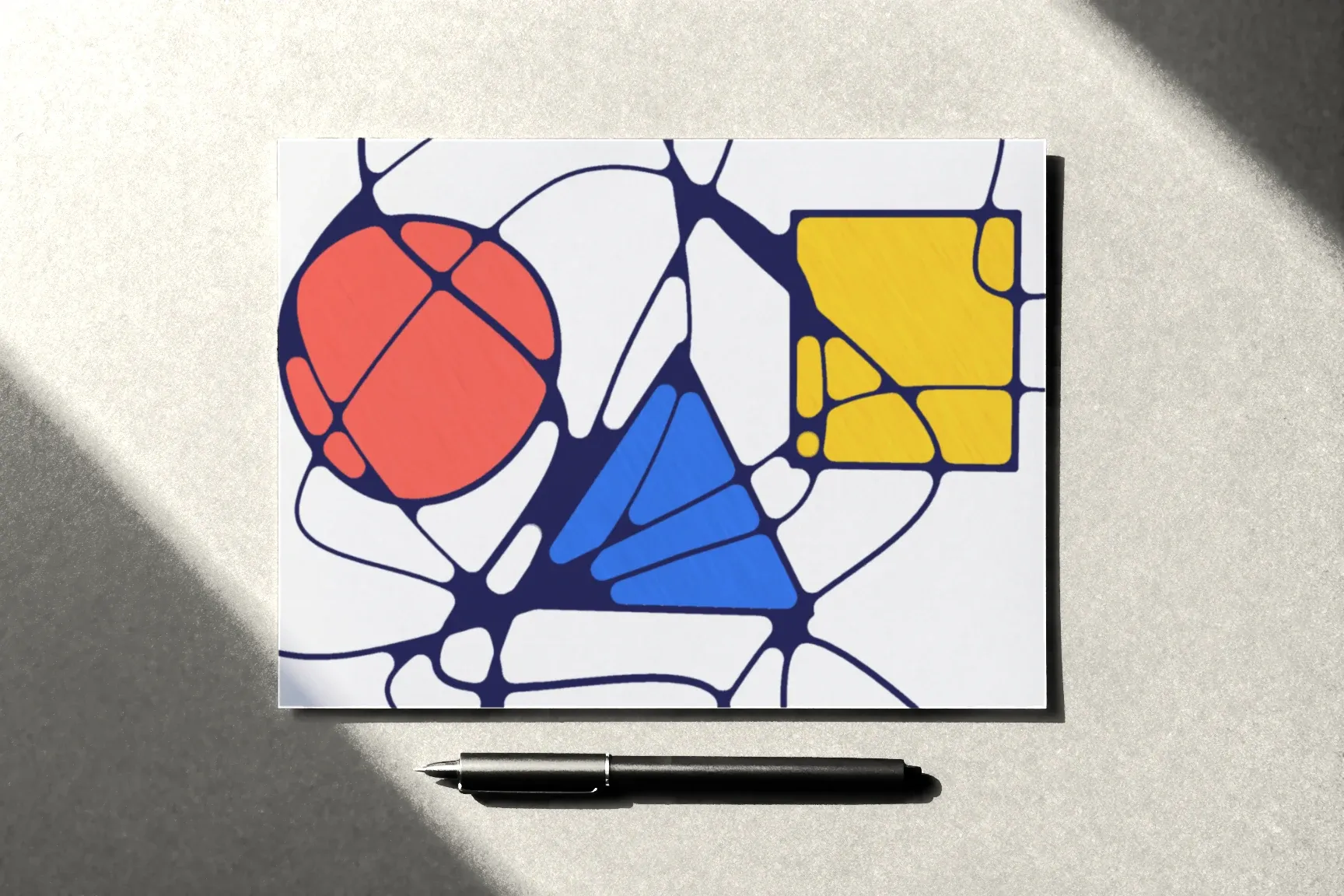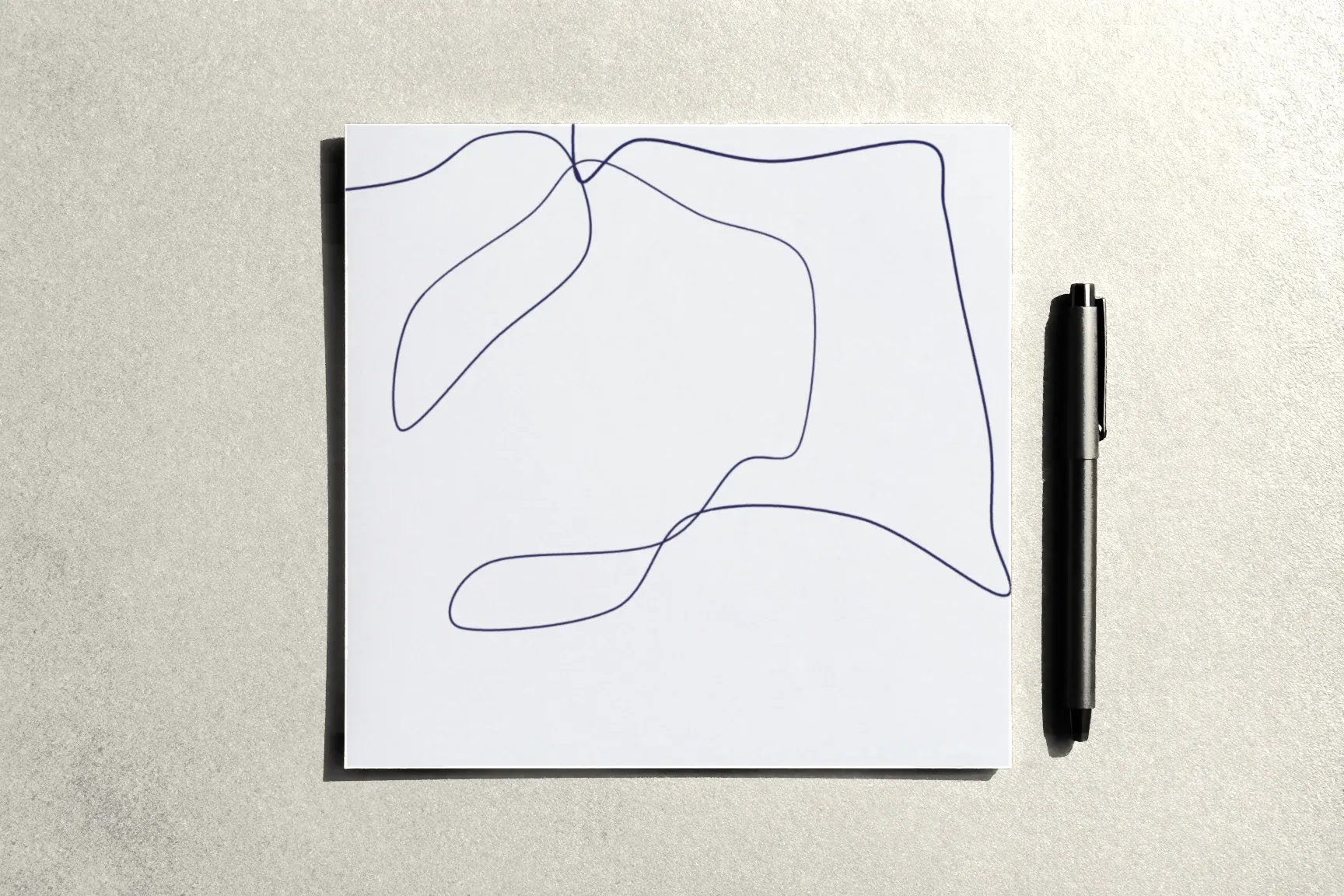
The idea of drawing without planning where the line will go isn’t new. A century ago it became the program of an entire art movement: Surrealism. Its artists called it automatic drawing — the hand moves faster than conscious intention, and the paper fills with things the artist never planned.
Here’s a short history of automatic drawing, and how the free line of transformational drawing resembles it — and how it doesn’t.
Where the idea came from
In 1924 the poet André Breton published the Surrealist Manifesto. He defined Surrealism as “psychic automatism”: writing or drawing free of the control of reason, and of aesthetic or moral concerns. At first it was mostly about text — “automatic writing,” done fast and without stopping. Painters carried the approach over to paper.
André Masson
In 1924 the French artist André Masson began a series of automatic drawings in pen and ink. He drew quickly, without lifting his hand, and only afterward looked at what had appeared: sometimes figures, hands, or birds surfaced in the tangle of lines. Later Masson experimented with sand, too — spreading glue on canvas, scattering sand over it, and painting in what the patches suggested.
Joan Miró and others
In the 1920s the Catalan painter Joan Miró also used automatic techniques: free lines and blots from which the figures of his well-known paintings grew. Other artists in the Surrealist circle explored automatism as well. A few decades later, the idea of the spontaneous gesture fed into American Abstract Expressionism — Jackson Pollock is often named among those it influenced.
What it shares with the free line
In transformational drawing, the first step also starts without a plan:
- the line doesn’t depict anything;
- the hand chooses its own direction, with unexpected turns;
- the process matters, not how “pretty” the result turns out.
In that sense the free line is a distant relative of automatic drawing: the same letting go of intention at the first step.
How it differs
After that, the paths part.
- For the Surrealists, an automatic drawing was often raw material: the artist looked for images in the lines and drew them out. In transformational drawing the line isn’t meant to depict anything — not at first, and not later.
- Structure follows the free line. Rounding the crossings, shapes, general lines, color — steps with clear rules. The drawing doesn’t stay chaotic; step by step it becomes a coherent pattern.
- The goal is practice, not an artwork. The Surrealists made pictures for exhibitions. Transformational drawing is something you do for yourself: a sheet of paper, a practice journal, an evening off screens.
So it isn’t an “heir” to Surrealism, but a separate technique in which one idea — drawing without a plan — turns out to be related.
Try it yourself
A small experiment in Masson’s spirit:
- Take a sheet of paper and a black pen.
- Let the line run for 30 seconds without stopping and without looking at the page.
- Look at what you made. Do you see any images in the lines?
- Now, in the spirit of transformational drawing: don’t look for images — round every crossing and watch how the page changes.
It’s interesting to compare two ways of looking at the same tangle of lines.
What comes next
How to draw the free line in transformational drawing is in The First Line, and how it grows into a whole drawing is in What Is Transformational Drawing? The first module of the Neurojournal course is open without an account — start there.