The first module of the Neurojournal course, “Getting started,” is open to everyone. No account, no card, no email address — you open the page and read. The module is short, just two lessons, but by the end you’ll know what the technique is, how a session works, and whether you want to keep going.
Here’s what’s inside each lesson, how to get through the module in a single evening, and what opens up after it.
What “Getting started” is
“Getting started” is the introduction to the course. Rather than teaching the individual steps of the technique, it explains what the technique is made of and how a session is structured. The individual steps — the line, rounding, shapes, colors — get their own lessons in the next module, “The alphabet.”
- Lessons: two.
- Access: open to everyone, no sign-up.
- Time: each lesson takes 5–10 minutes to read.
- Where: in your browser, on a phone or a computer. Nothing to install.
Lesson one: what the technique is
The first lesson is an introduction. It explains what a drawing is built from: simple shapes, lines, and patterns joined together, plus color. The emphasis is on the process, not on artistic skill or a polished result. Nobody expects you to draw “well” or “correctly.”
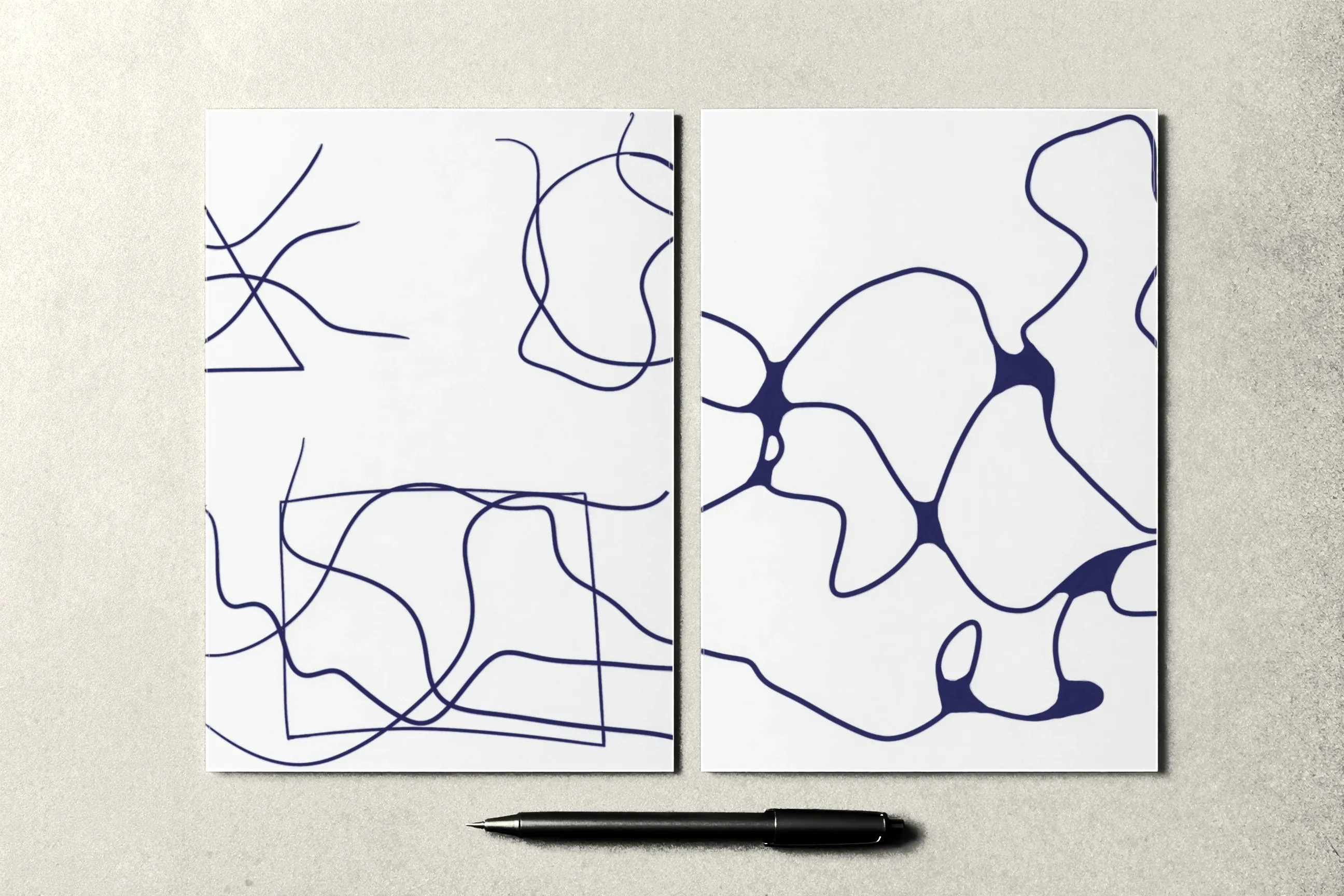
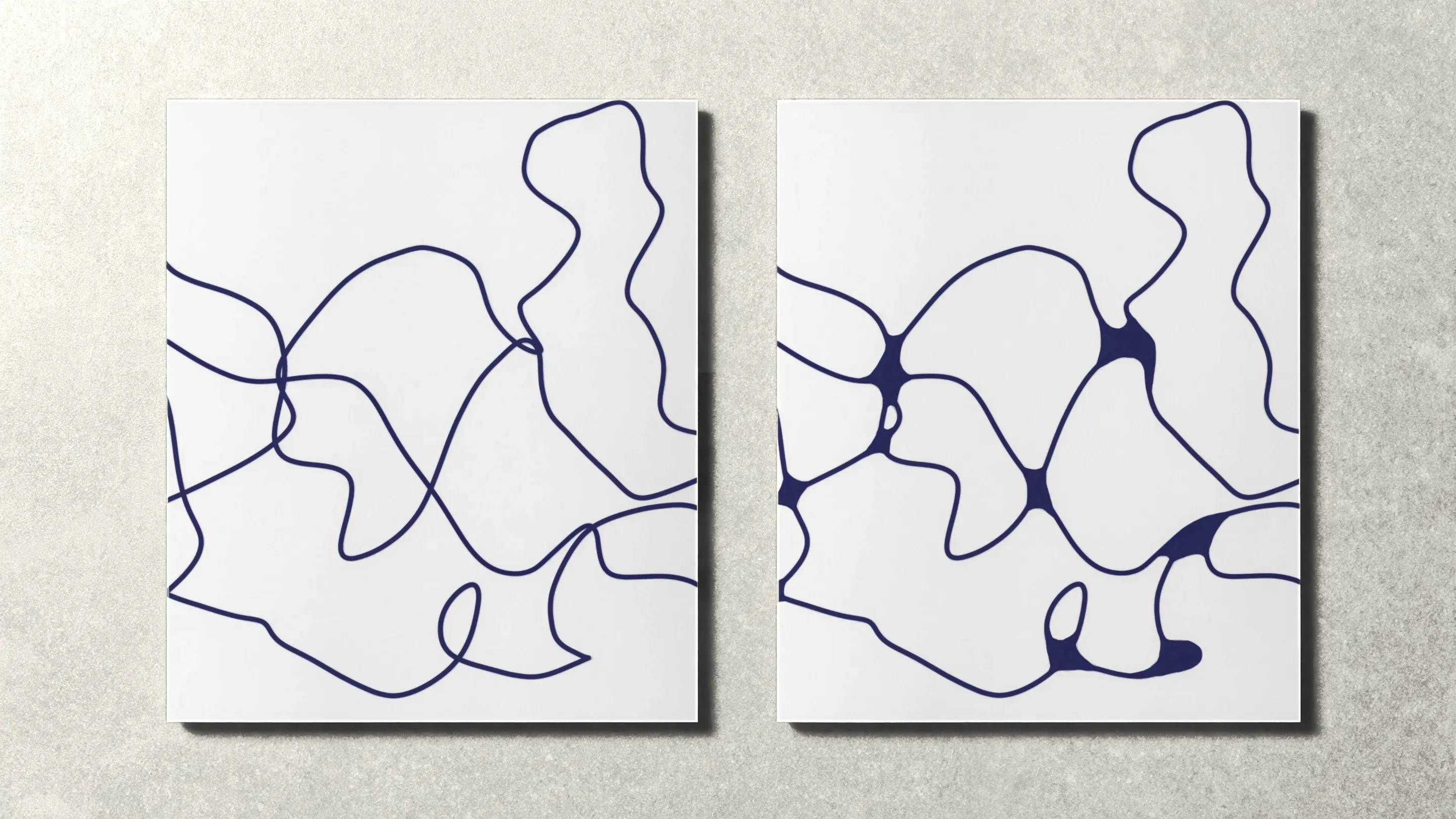
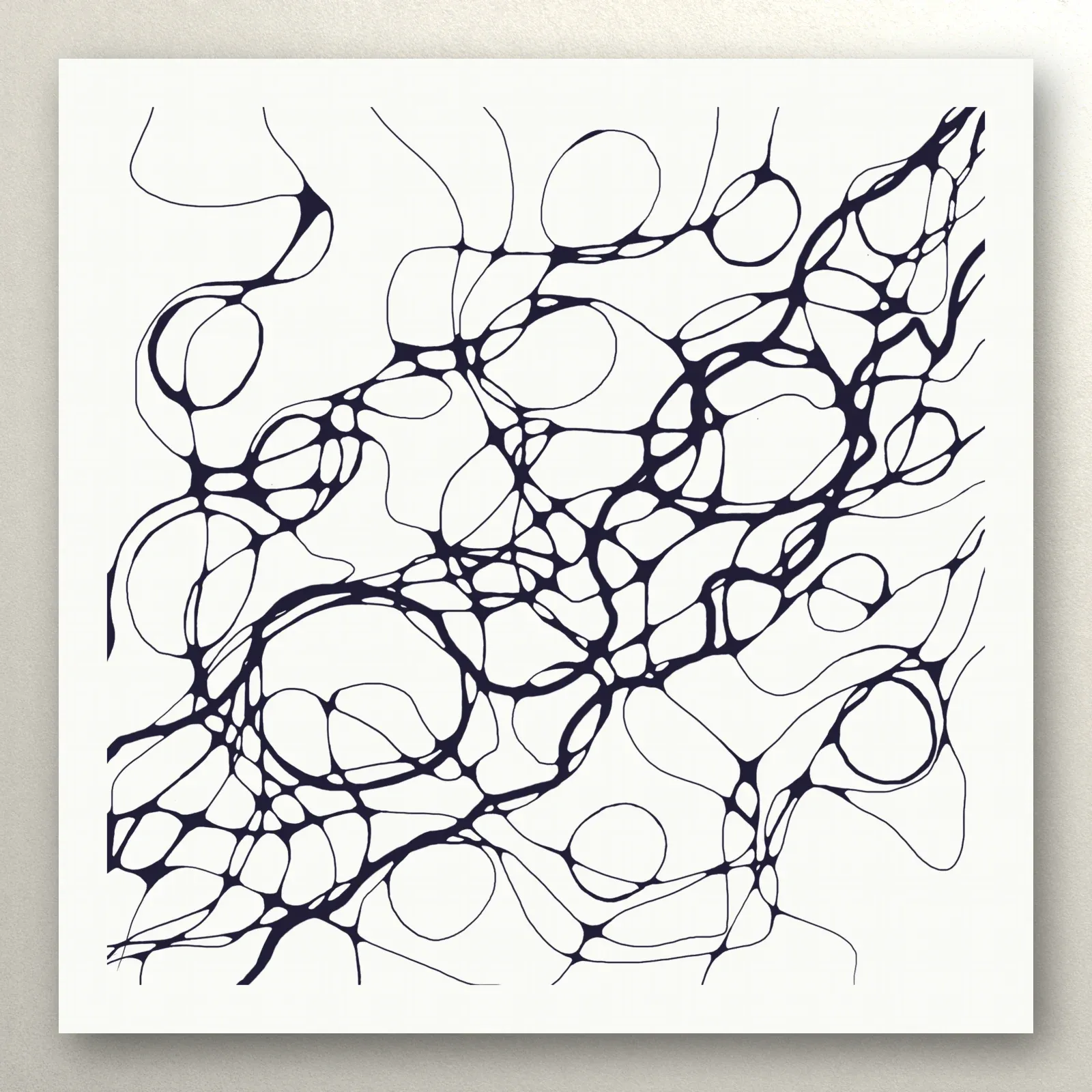
The lesson includes an illustration — a finished composition of smooth lines and circles with every crossing rounded. It shows where the technique leads: separate lines adding up to one coherent pattern.
Lesson two: how a session works
The second lesson describes the stages of a drawing session. There are four:
- Preparation. Set up your space: a table, good light, quiet or some pleasant music. Some people light a candle; others simply clear the table.
- Settling in. Before you draw, take a few minutes to set the day aside — breathe, sit quietly, whatever works for you.
- Drawing. Let your hand move freely, without worrying about perfection or getting it right.
- Looking at the drawing. When you’re done, look at the sheet and notice what thoughts or associations it brings up.
These four stages repeat in every session after this, from your first free-form sheet to the themed algorithms.
How to finish the module in one evening
You can read the module in half an hour — or, with a first drawing, make an evening of it:
- Read lesson one — 5 to 10 minutes.
- Read lesson two — about the same.
- Get a sheet of paper and a pen ready, as lesson two describes.
- Draw a few free lines across the whole sheet and round the crossings. There’s a short how-to in What Is Transformational Drawing?
- Look at the drawing and write down a few words.
For a timed, step-by-step plan for that evening, see How to Start Drawing as an Adult.
How to tell whether it’s for you
After “Getting started” and a first sheet, most people already know whether they want to continue. A few questions can help you decide:
- Did you enjoy letting the line wander without a plan? If so, “The alphabet” goes deeper: which lines work and which ones your hand draws on autopilot.
- Did rounding bother you? It’s the slowest part of the technique. Some find it meditative, others tedious. Both reactions are normal, but how you feel about it says a lot about whether you’ll enjoy the rest of the course.
- Do you want to look at the drawing again the next day? If so, the practice journal is a handy place for those second looks.
- Do you have the time? The course doesn’t ask for daily sessions. Two or three evenings a week are enough to keep moving.
If your answer after the module is “not for me,” that’s a useful answer too — and it didn’t cost you anything.
What comes next
After “Getting started” comes “The alphabet”: five lessons, one for each element of the technique — the line, rounding, shapes, colors, and tools. It includes diagrams with examples, practice templates you can print, and exercises. After that comes “Algorithms”: three themed sequences of nine to ten steps each.
At the end of the second lesson, the course shows you what’s next. A subscription’s free days open “The alphabet” and the first algorithm; the second and third algorithms open after that. Prices and terms are on the subscription page. For a full tour of the course, read How the Neurojournal Course Works.
Common questions
Do I need to sign up to read “Getting started”? No. The module’s lessons open without an account.
Then what’s an account for? Marking lessons as done, seeing your progress, and keeping a practice journal — photos of your drawings with a few words about each. The journal is private; only you can see it.
Can I read it on my phone? Yes. The lessons are regular web pages and work the same on a phone and a computer.
I’ve read “Getting started.” Can I start drawing right away? Yes. A sheet of paper and a pen are all you need. The three steps of the technique — the line, rounding, color — are summarized in What Is Transformational Drawing?, and “The alphabet” covers each of them in detail.
Is this therapy? No. The course teaches a drawing technique and isn’t a substitute for care from a doctor or a licensed mental health professional.