Even a favorite pastime doesn’t always call to you. The paper is on the table, the pens are right there, and you just don’t feel like sitting down. It happens to everyone who draws regularly, and on its own it means nothing. What matters is figuring out what’s actually going on — because that decides whether you should sit down or rest.
Tired, or just can’t get started?
These are two different situations.
Tired means you have no energy for anything. Drawing on an evening like that is one more effort, and it can turn the practice into a chore. An honest break beats a “should.”
Can’t get started means you have the energy, but the first step feels heavy: getting the supplies out, deciding what to draw, settling in. Often, five minutes after you begin, the wish to draw shows up on its own. The small tricks below are for this one.
A simple test: picture yourself already sitting at the table, drawing the first line. If that thought makes things lighter, it’s “can’t get started.” If it makes them heavier, you’re tired.
Six small ways to sit down anyway
1. One line
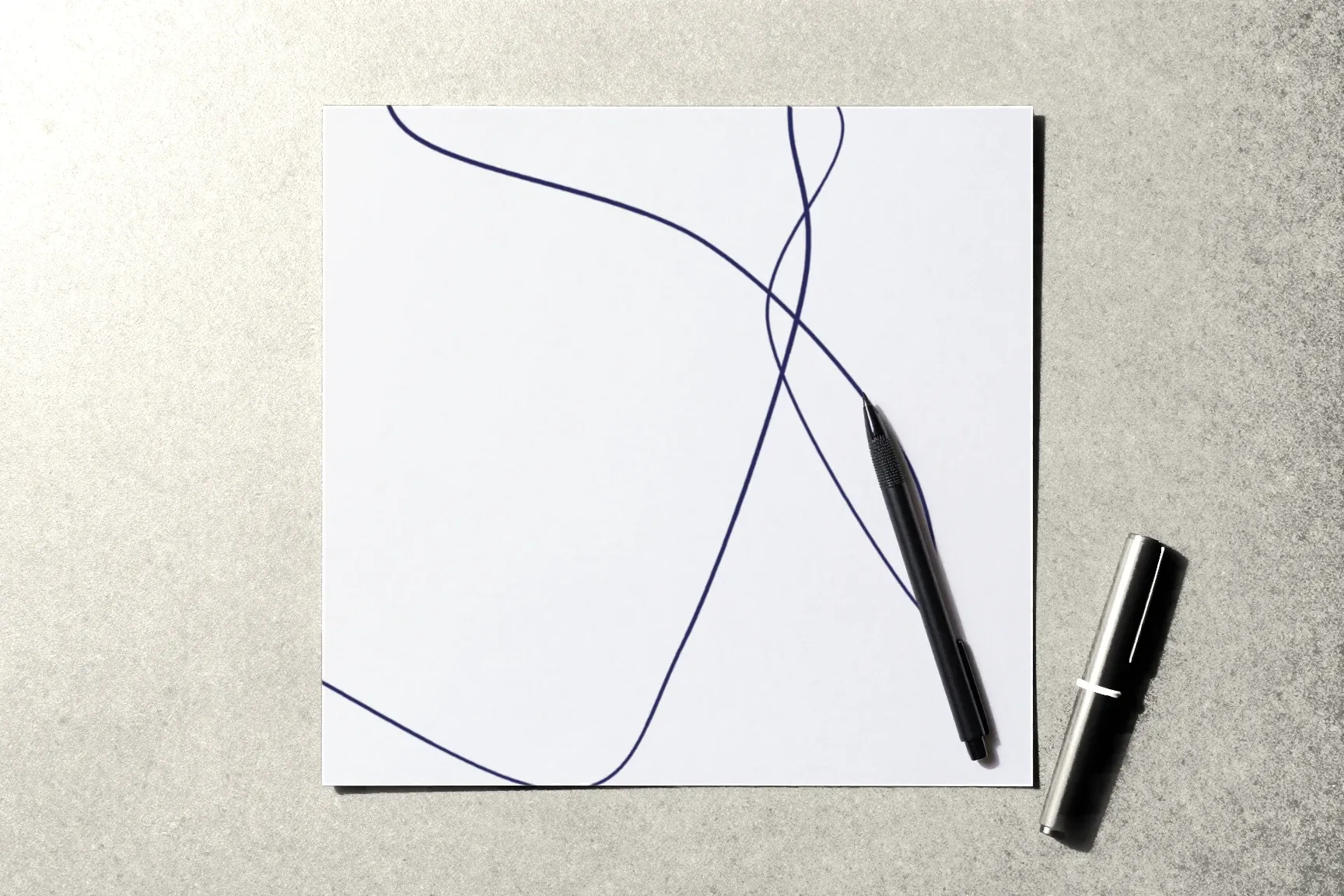
Agree with yourself on one line and its crossings. Not a drawing — one line. If you want to keep going after it, great. If not, the session still happened.
2. A template instead of a blank page
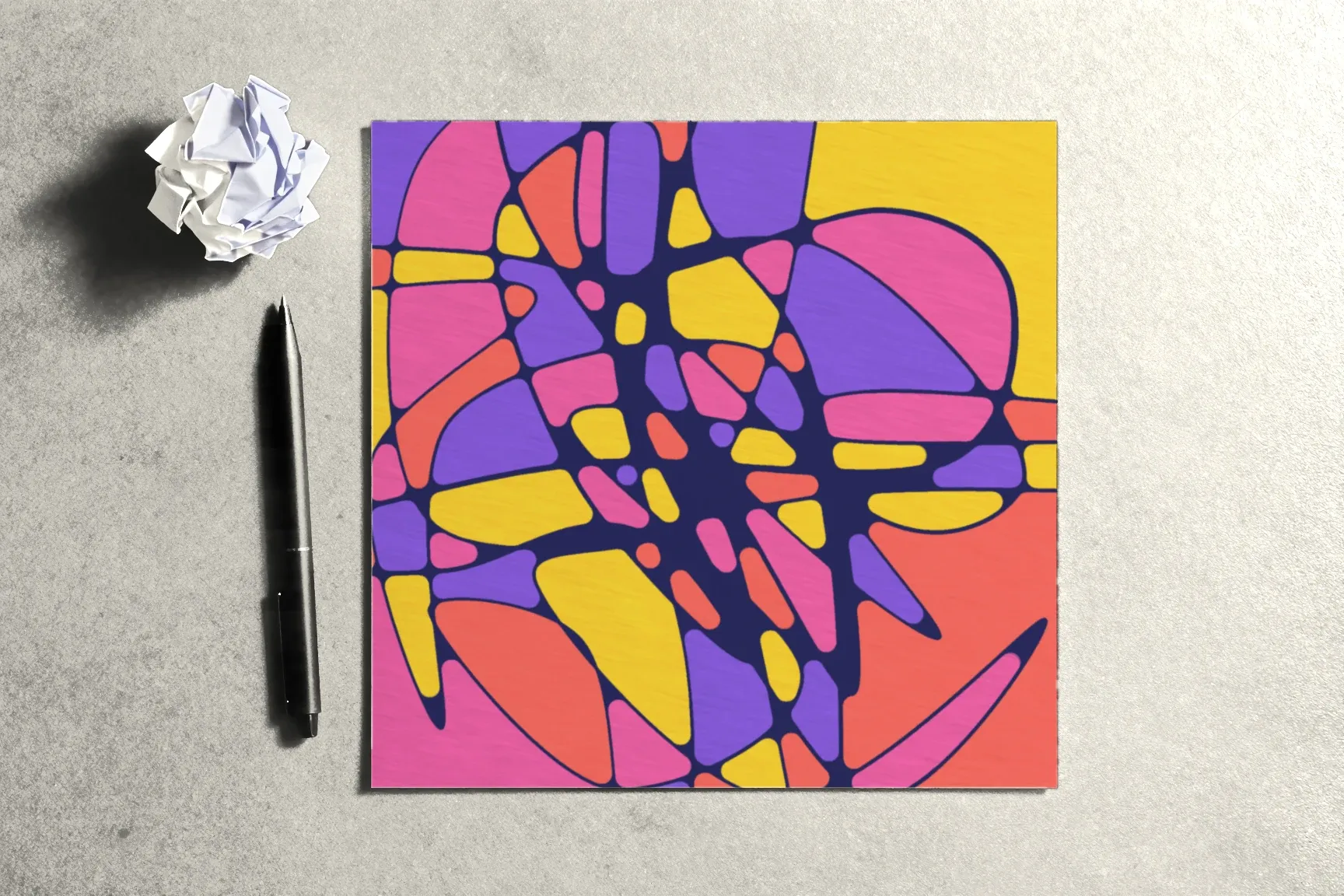
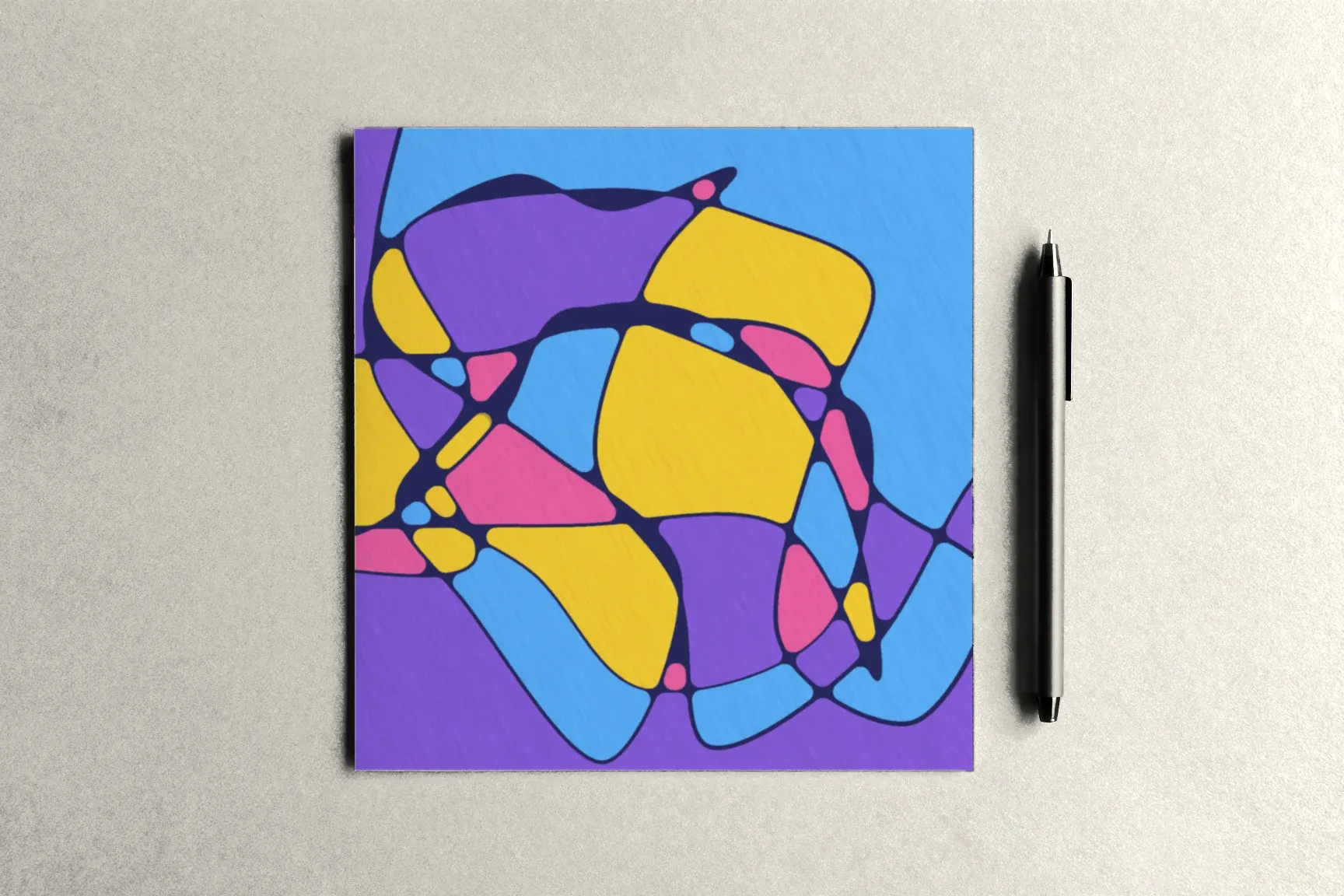
A blank page asks for decisions. A template with the lines already drawn doesn’t: all that’s left is rounding. It’s the easiest way into drawing on a hard evening.
3. Color an old drawing
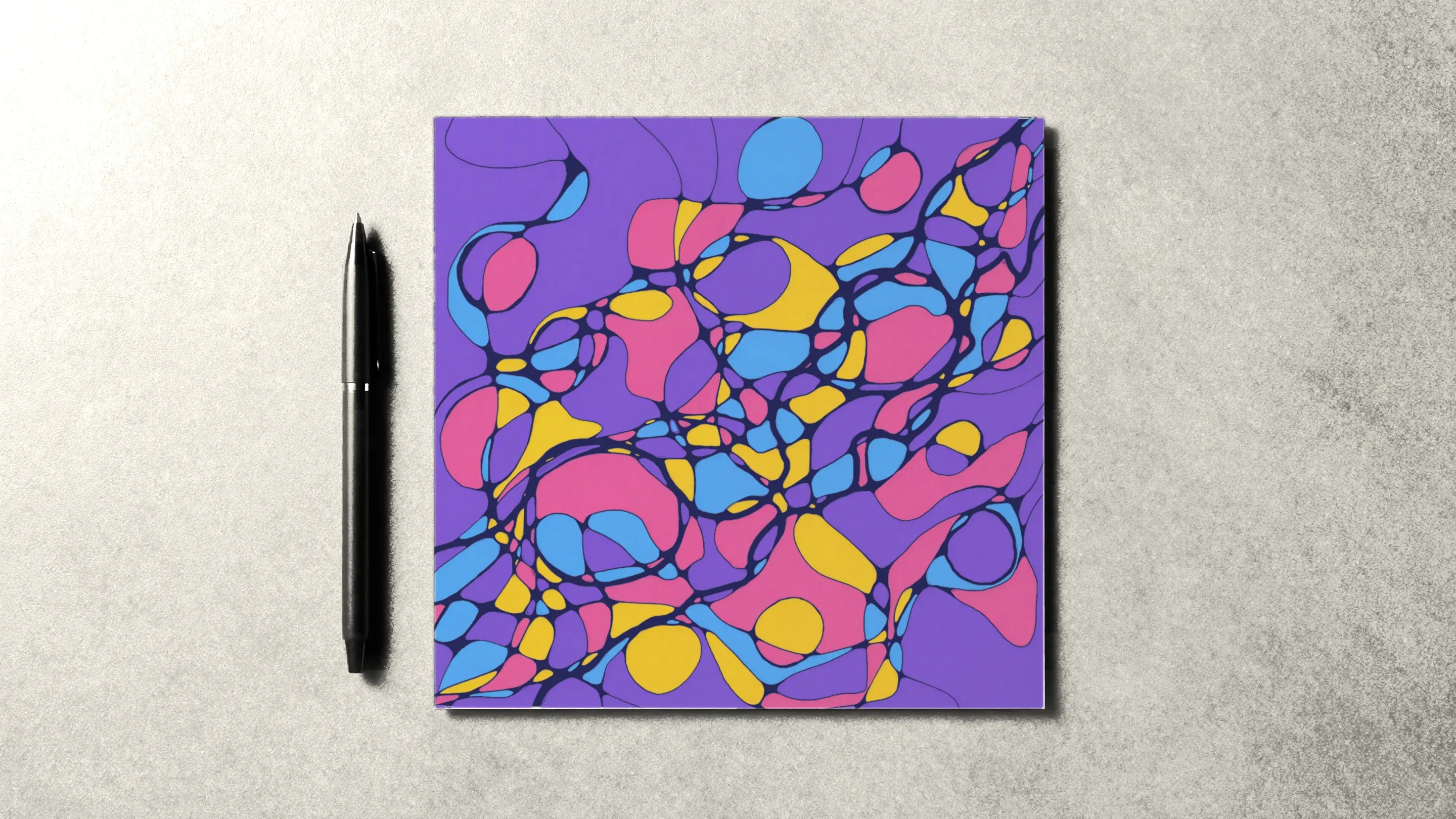
Take a page from the past few days that’s rounded but not colored. Color is the easiest and most pleasant step, and it asks you to invent nothing.
4. A small format
A half-letter sheet, or even a sticky note. Three lines on a small piece of paper is five minutes of work and a finished drawing.
5. Different materials
If you’re tired of your usual pen, pick up a brush marker, a colored pen, or a pencil. A new material makes the familiar steps feel a little different.
6. Look back
Instead of drawing, lay out your pages from the past few weeks. Often, after looking at them, you’ll want to add a new one.
When a break is the better call
- You’re tired, and drawing feels like an obligation. Skip the evening without guilt. Regular doesn’t mean “every day, no exceptions.”
- Sessions have gone mechanical. Sometimes a week off brings the interest back better than seven more pages drawn out of duty.
- You want something completely different. A walk, a book, a conversation — that’s an evening too. The page will wait.
A break isn’t the end of the practice. What matters is having an easy way back: a template, one line, a small sheet.
How to have fewer of these evenings
- A ready table. When everything is within reach, starting costs less.
- The same time. Drawing tied to a familiar moment of the day doesn’t need deciding each time.
- Variety. Alternate free pages, templates, color days, and algorithms.
- A journal. A row of pages in your journal reminds you why you started.
What comes next
More on the habits that help you stick with it in How Not to Quit After a Week, and on fitting a session into 20 minutes in 20 Minutes a Day. Templates for hard evenings are in the lessons of “The alphabet” in the Neurojournal course. The first module is open without an account — start there.