One of the first questions in transformational drawing is how many lines to draw. There’s no right answer, but the number of lines shapes almost everything else: how many crossings you get, how long rounding takes, how the color turns out, and what the finished page looks like.
Here are two approaches — dense and airy — what each is good for, and how to pick one for a given evening.
What the number of lines changes
Every new line crosses the ones already there. So the crossings don’t just add up; they multiply:
- two lines across the page might give you a handful of crossings;
- five lines — a few dozen, especially if the lines also cross themselves;
- ten lines — a hundred or more.
Every crossing needs rounding, so the time a drawing takes grows faster than the number of lines. That’s the main thing to keep in mind when you choose a density.
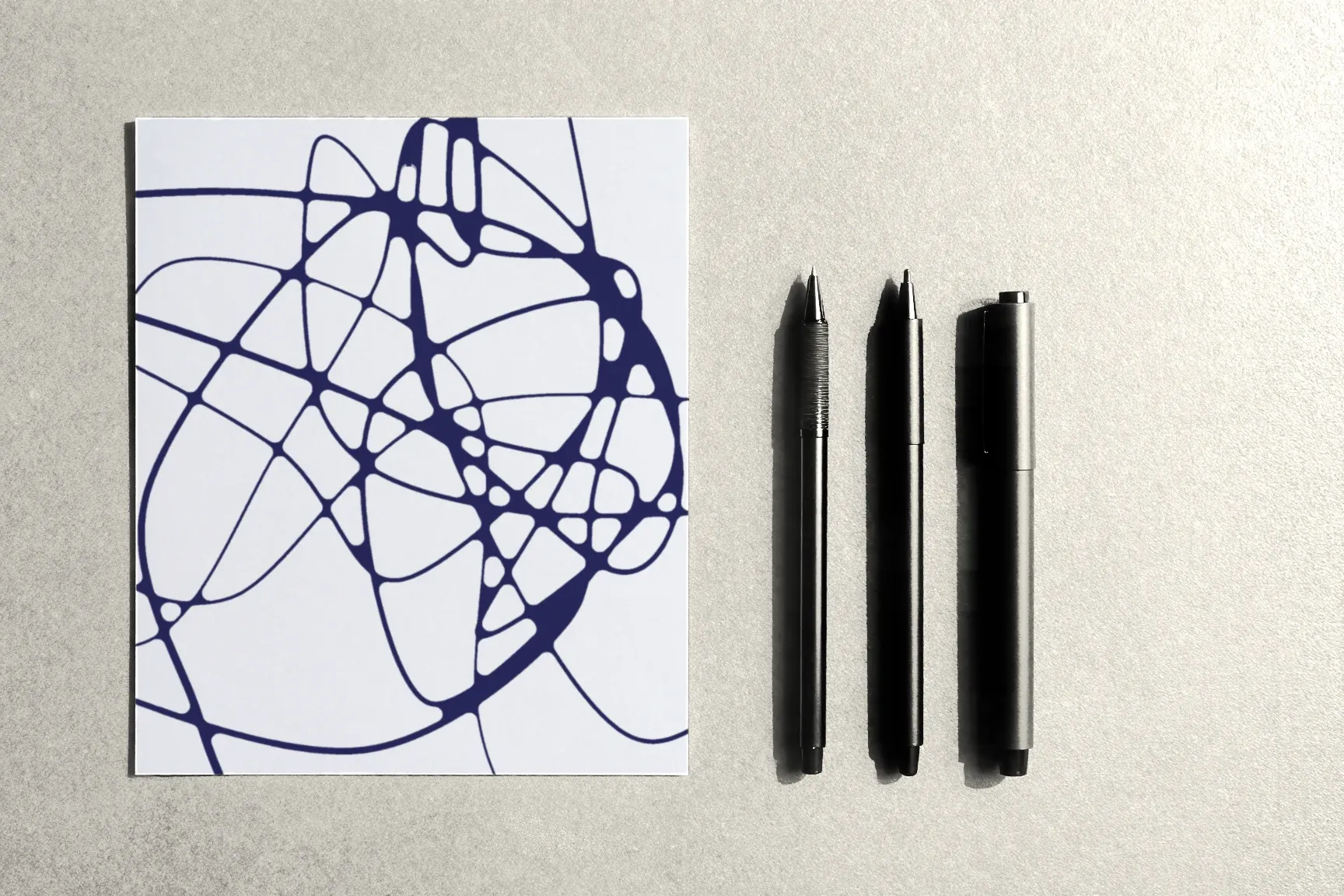
The airy composition
How many lines: three to five on a letter-size sheet.
What it looks like: big cells, every line clearly visible, lots of white paper.
Pros:
- rounding takes 20–30 minutes, so the drawing fits into a short evening;
- big cells are easy to color, and the color comes through bright;
- each crossing is visible on its own, so it’s easier to see how your rounding is going.
Good for: first drawings, short sessions, and people who love coloring.
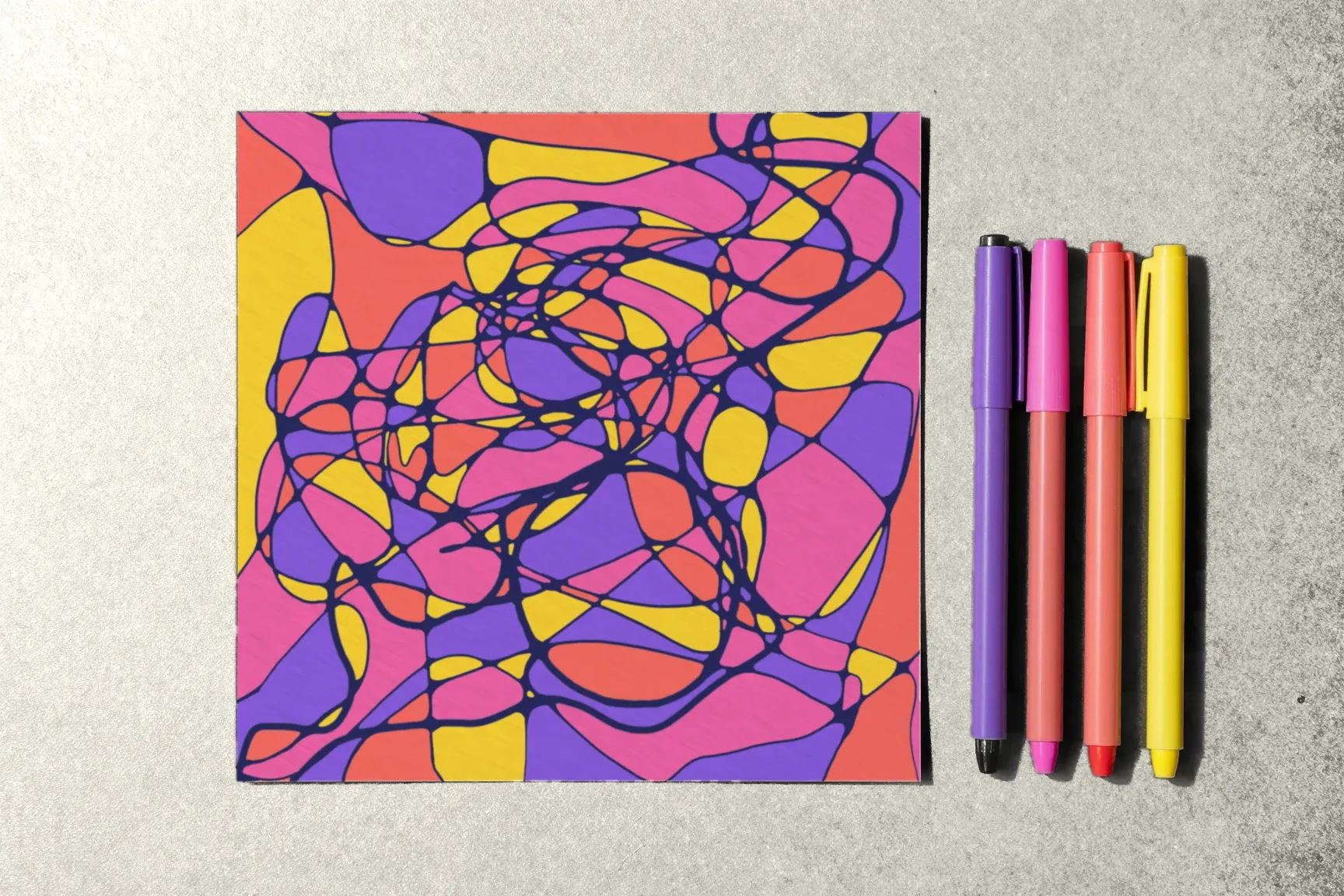
The dense composition
How many lines: eight or more, often with long curves that cross themselves.
What it looks like: a thick weave of small cells; the drawing reads as a single piece of fabric.
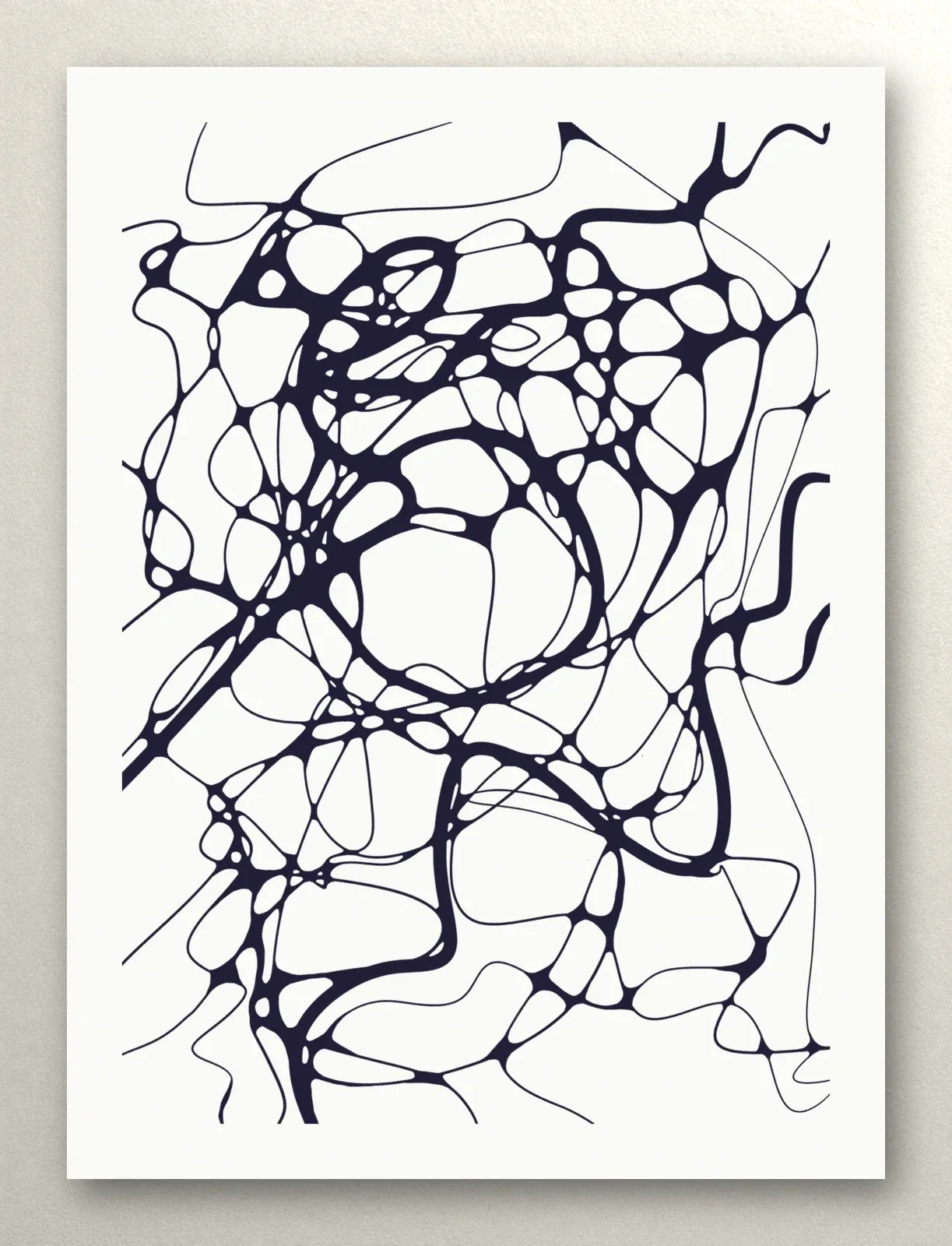
Pros:
- rounding becomes a long, focused stretch of work — great if that’s the step you enjoy;
- the drawing looks rich and intricate even in black and white;
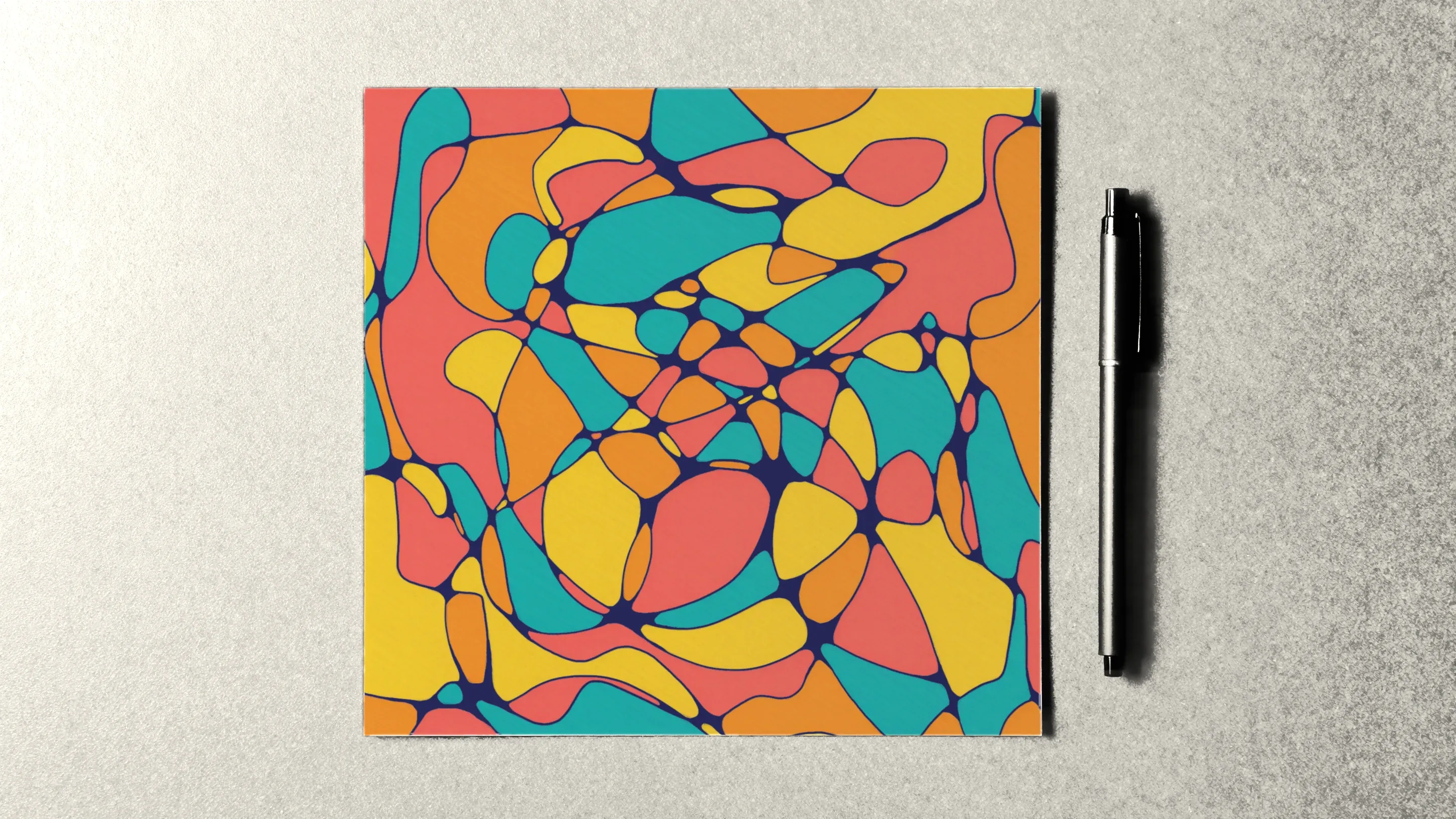
- small cells make interesting effects when colored in several close shades.
Cons:
- rounding can take an hour or more;
- in very tight spots the crossings merge, and it’s simpler to fill them in completely;
- coloring small cells takes a while and works best with fine markers or pencils.
Good for: a long evening when you want slow, careful work.
How to choose a density for your evening
- How much time do you have? Half an hour — three lines. An hour — five. A whole evening — as many as you like.
- What do you want to spend the most time on? Color — go airy. Rounding — go dense.
- What pen are you using? A thick pen makes rounding a dense drawing hard, because small crossings flood. Dense drawings call for a fine pen.
- What size is the sheet? The same set of lines on a half-letter page makes a denser composition than on a full one.
Keep in mind that the course suggests finishing the rounding the same day. It’s better to draw one line fewer than to leave the page with sharp corners.
Adjusting density as you go
You don’t have to decide everything up front. Draw three lines, round the crossings, and take a look: do you want more? If so, add a line and round the new crossings. That’s how the course’s algorithms work too: lines are added in stages, with rounding after each.
This approach has another advantage: you always have a finished drawing. Even if you stop after the first round, there are no sharp corners left on the page.
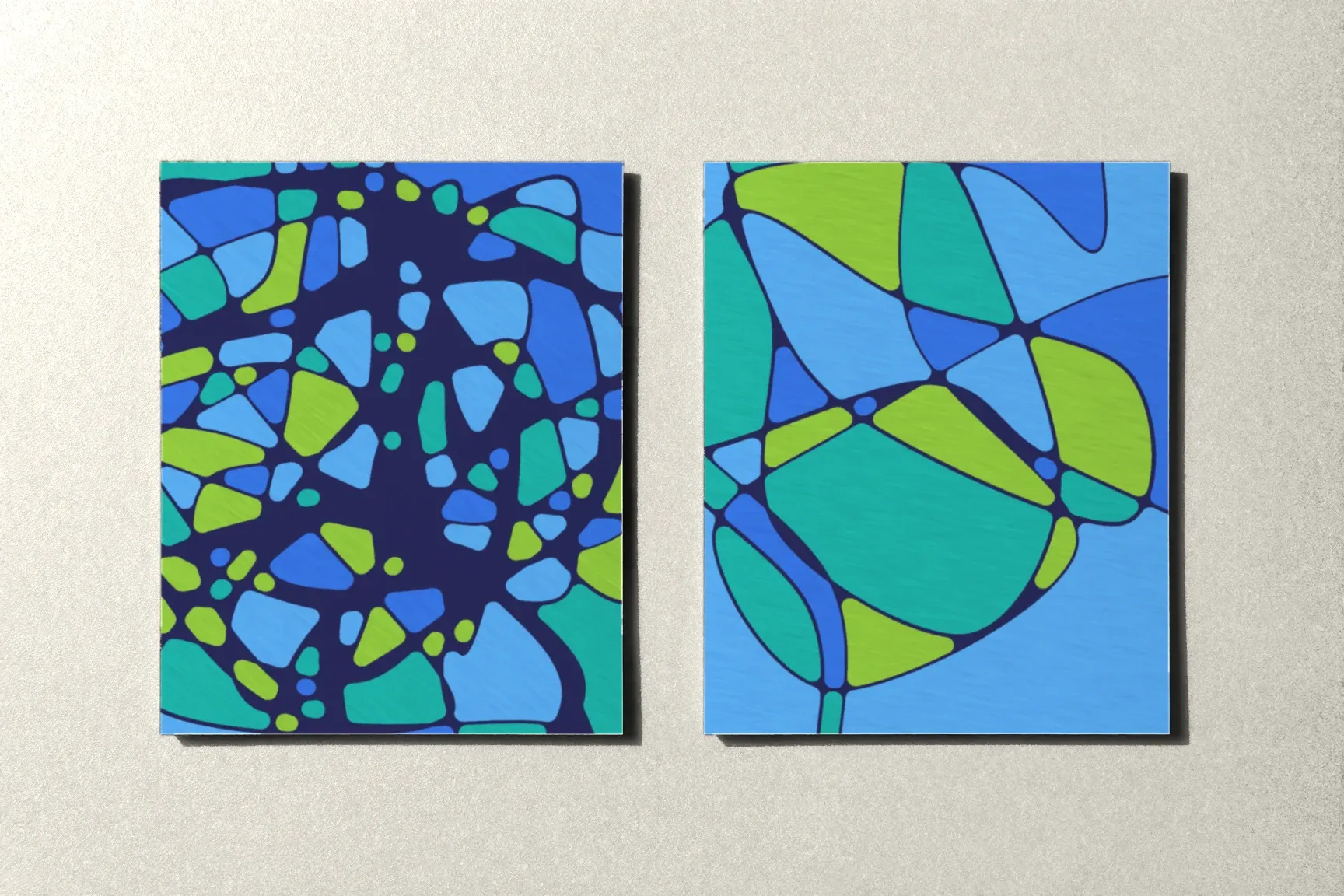
Exercise: two sheets side by side
Take two sheets of the same size. Draw three lines on the first and eight on the second. Round both, color them with the same colors, and lay them side by side. Note how long each one took and which you like better. It shows you right away which density is yours.
What comes next
We covered how to spread lines evenly across the page in Composition, and what most often goes wrong at the rounding stage in 7 Rounding Mistakes and How to Fix Them. The first module of the Neurojournal course is open without an account — start there.