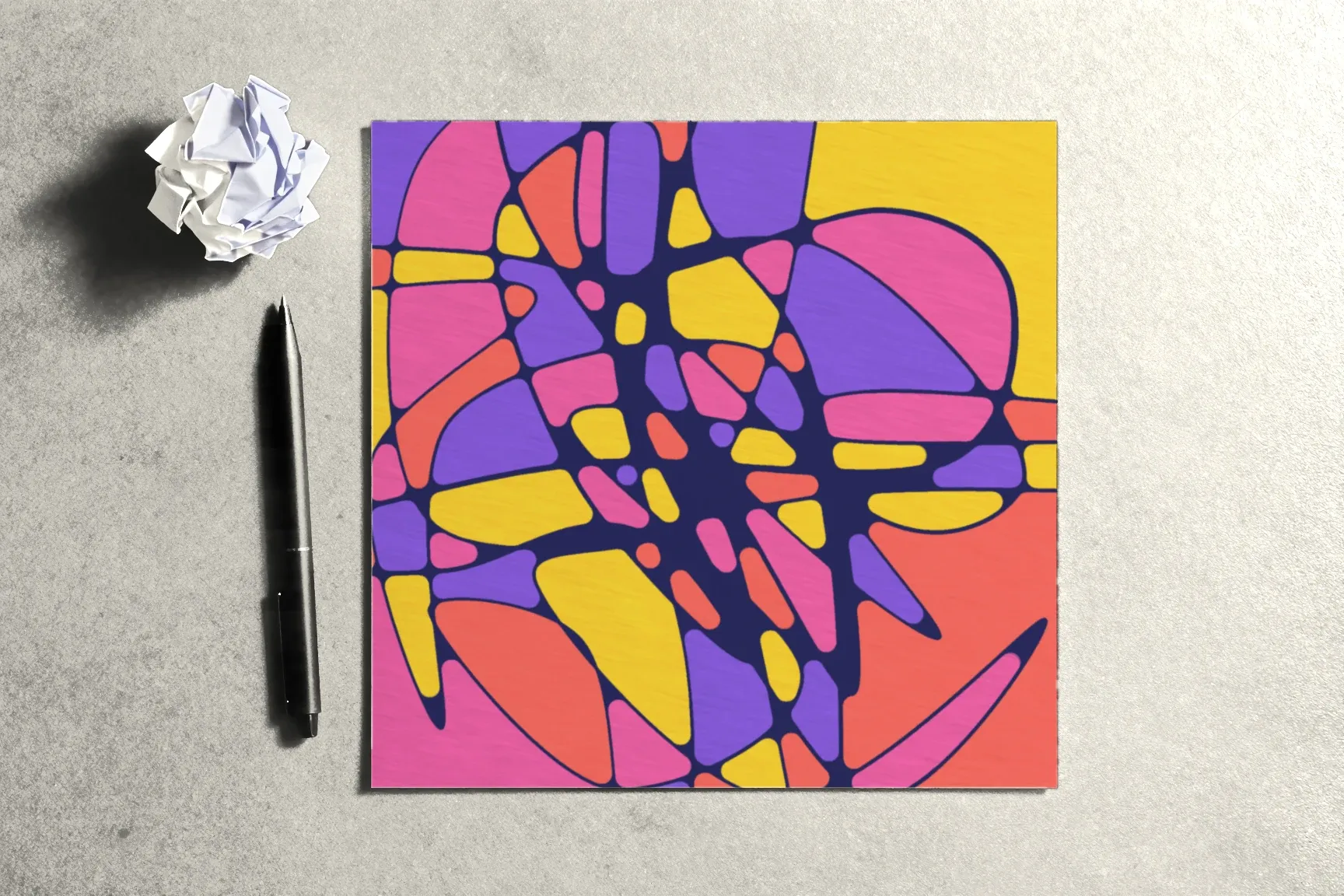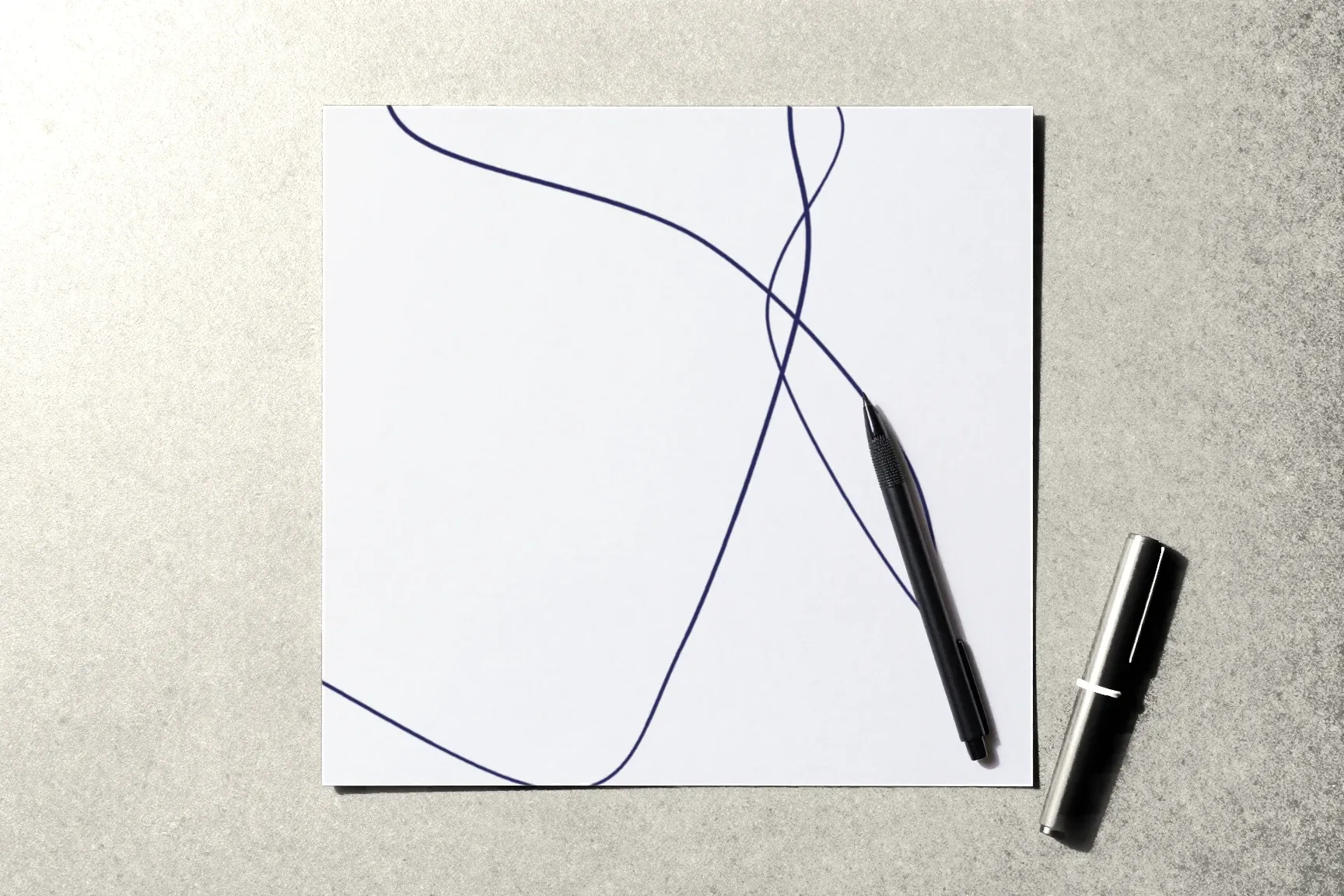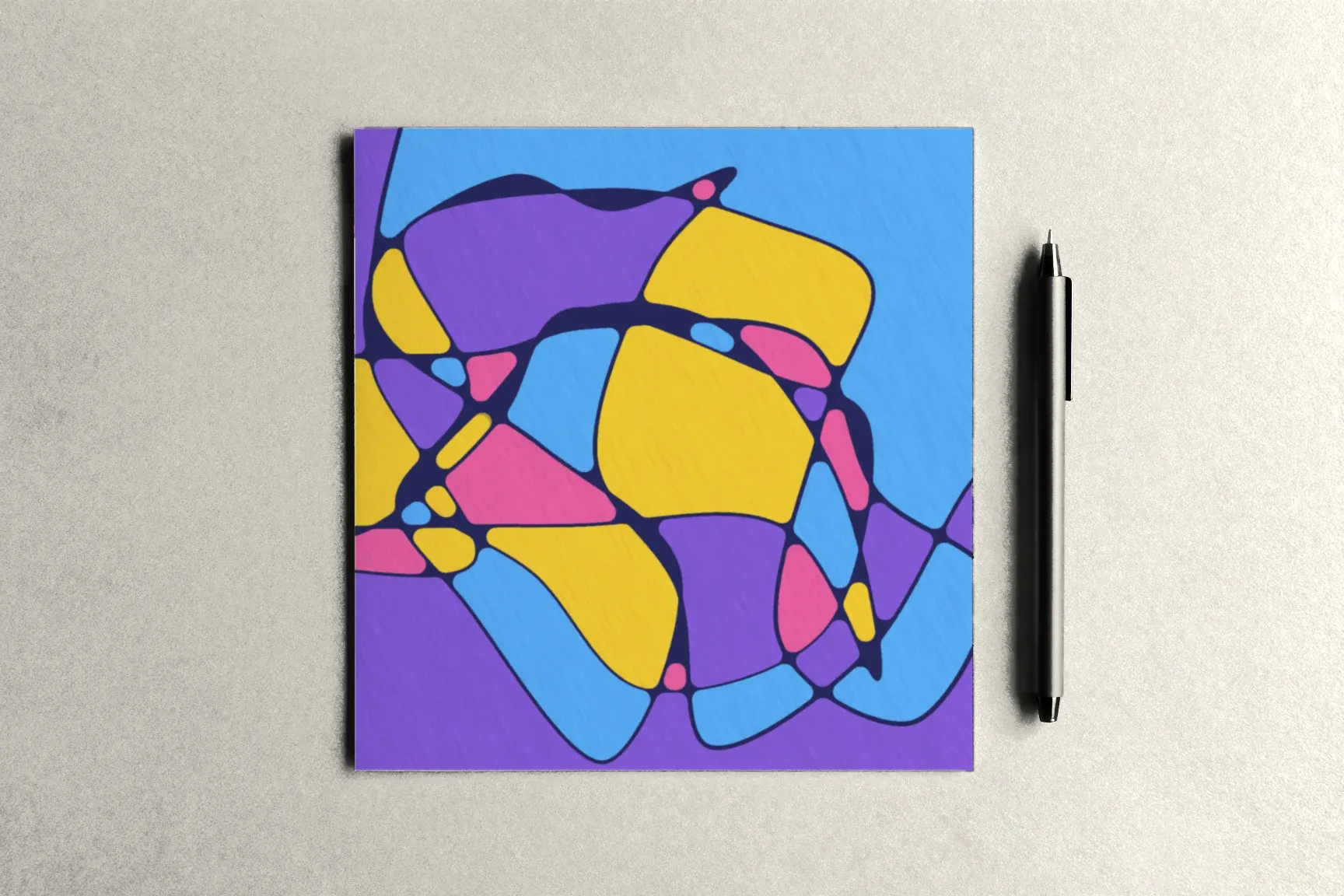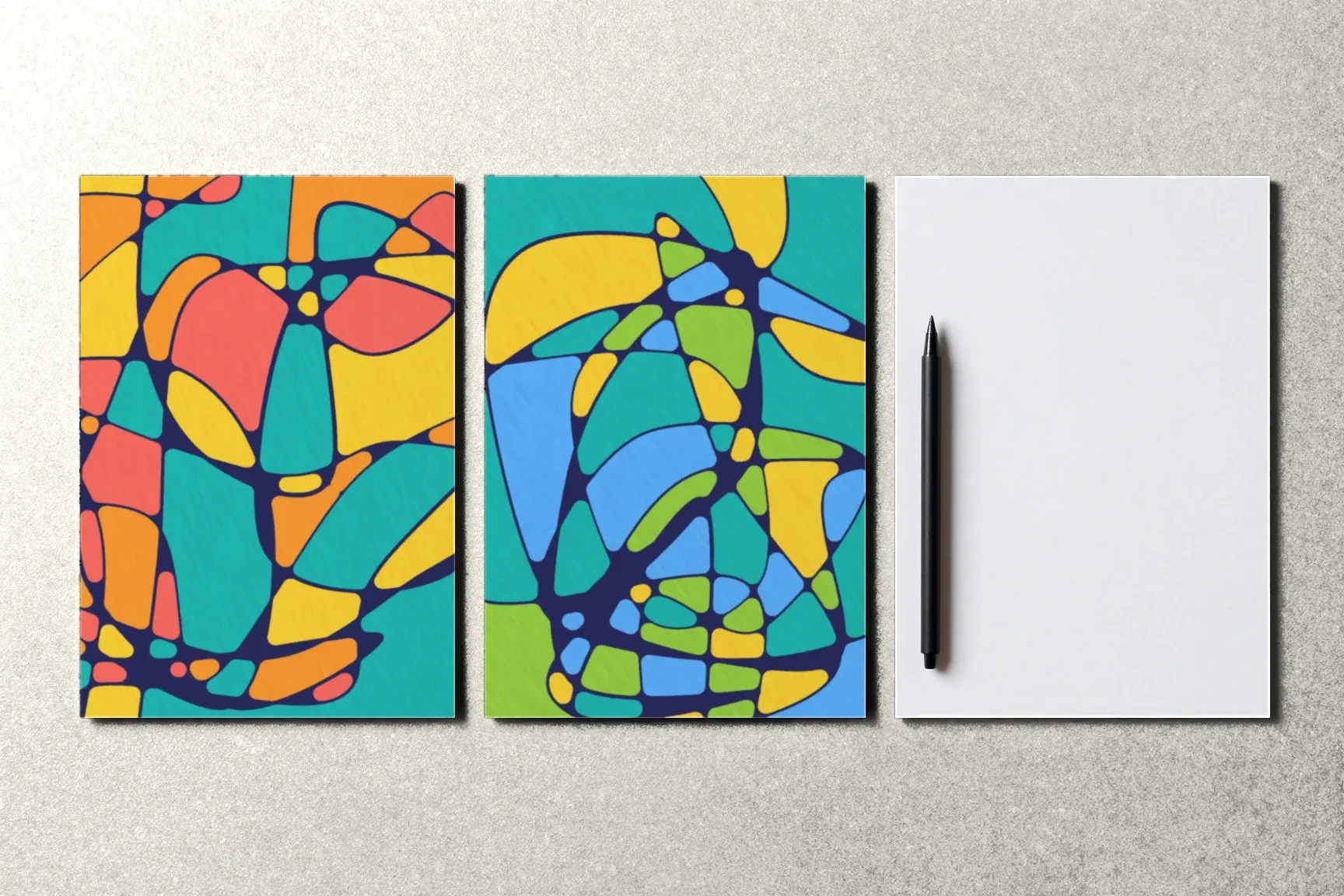
The first week of a new hobby usually goes smoothly: it’s interesting, and every page is a discovery. Then somewhere in week two, something gives: you skip one evening, then another, and before long the pens are back in the drawer. It isn’t about willpower. Most often a practice fades because it keeps taking effort just to start: finding the time, finding the supplies, deciding what to draw.
Here are eight small habits that take that effort away. None of them takes more than a few minutes.
1. The same time
Tie drawing to something that already happens every day: after dinner, after your evening shower, after the kids are asleep. When the time is set, you don’t have to decide each day when you’ll draw.
2. A ready table
Keep everything in one place: a box or folder with paper, pens, and markers. A clean sheet on top. The fewer steps between deciding and the first line, the more often deciding turns into a drawing.
3. A small minimum
Agree with yourself on a minimum that doesn’t feel daunting: “one line and its crossings.” Often, once you’ve drawn one line, you’ll draw two more. And if you don’t, the minimum is done and the day isn’t lost.
4. A template for hard days
Some evenings you don’t have the energy for even a free line. Keep a printed template from the course handy for those: the lines are already drawn, and all you do is round. It’s a session that asks for no decisions at all.
5. A journal as your tally
Photograph every page and save it with a few words: the date, how long it took, what you noticed. After two weeks you have a visible row of drawings, and that row keeps you going better than any reminder: you want to add the next one.
6. Honest breaks
A missed day isn’t a failure, and it isn’t a reason to make up for it with a double session. Just come back next time. If the break stretches to a week, start with the easiest thing: a template, or three lines on a small sheet.
7. Small changes
Once everything feels routine, routine can get dull. Add one small change: a new color, a different paper size, a shape, an algorithm. Not all at once — one new thing a week.
8. A weekly look back
Once a week, lay all your pages out side by side and look at them for five minutes. Noticing how your lines or rounding have changed is one of the most rewarding parts of the practice, and all it takes is a few earlier drawings.
What to avoid
- Big goals at the start. “An hour every day” sounds great and falls apart on the first busy day.
- Comparing your drawings with other people’s. The technique has no “correct” result, and other people usually show their best pages, not their first.
- Buying everything at once. A new set of markers gives you a push for a couple of days; a habit runs on something else.
If you stopped anyway
It happens, and that’s fine. You can come back anytime: the paper, the pens, and the technique aren’t going anywhere. The best way to start again is the smallest one: one line, its crossings, a photo in your journal.
What comes next
We covered fitting sessions into a packed schedule in 20 Minutes a Day, and laid out a plan for your first week in A 7-Day Practice Plan for Beginners. The Neurojournal course guides you lesson by lesson and keeps your progress and practice journal. The first module is open without an account — start there.