Practice
When a Drawing Doesn’t Work Out
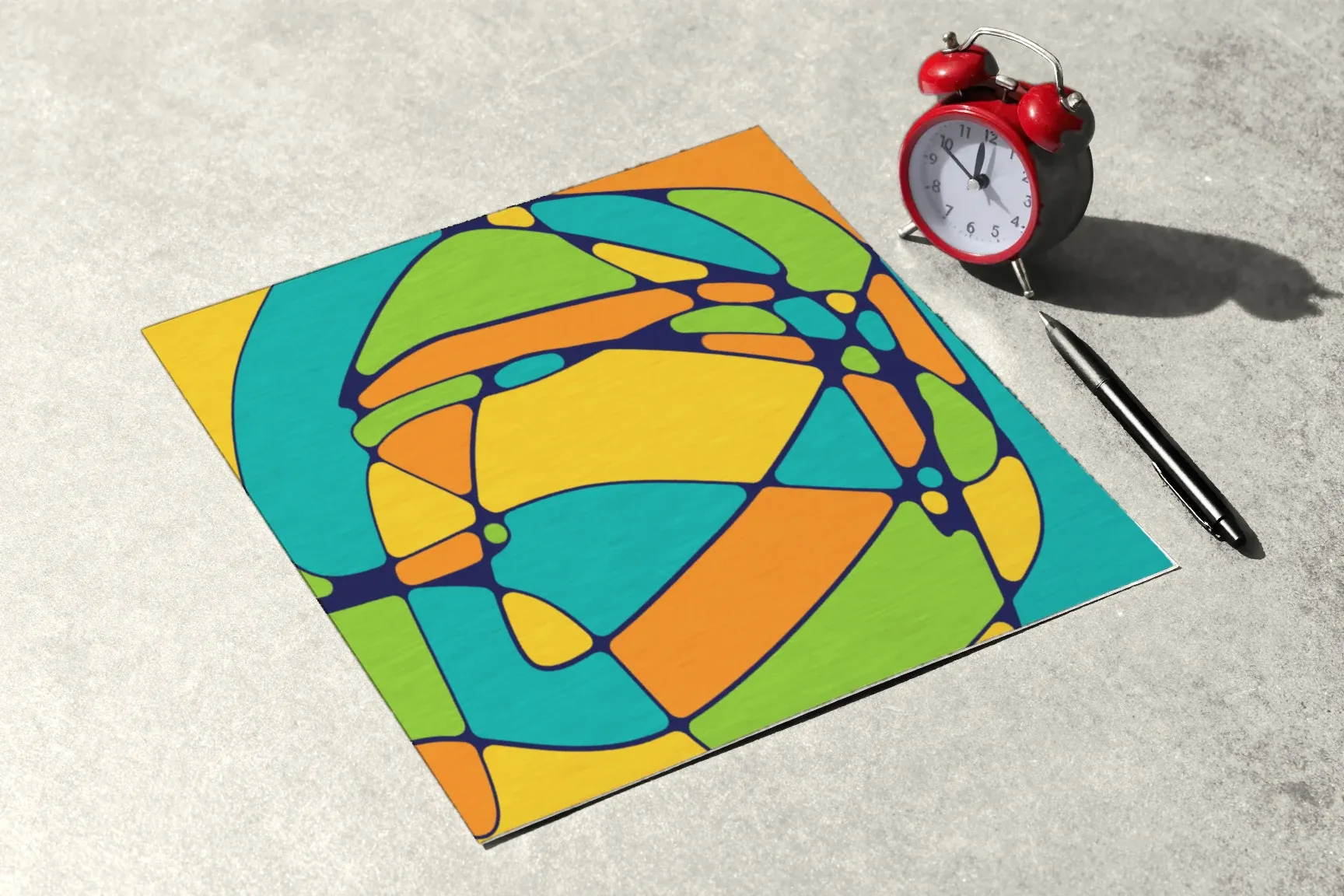
Crooked rounding, a marker that bled, a page you just don’t like. What you can do with a drawing that “didn’t work,” and why it’s worth keeping.
Practice
Crooked rounding, a marker that bled, a page you just don’t like. What you can do with a drawing that “didn’t work,” and why it’s worth keeping.
Practice
Some evenings the page doesn’t pull you in. Tired or just can’t get started? Six small ways to sit down anyway, and when a break is the better call.
Practice
Why transformational drawing has no “correct picture,” where the urge to grade your drawings comes from, and a few ways to keep your attention on the process.
Practice
How to set up a place to draw in a small home: the table, the light, where paper and markers live, and turning the kitchen table into a workspace.
Practice
The first week is easy; then the practice fades. Eight small habits that bring you back to the page: same time, a ready table, a journal, honest breaks.
Practice
When you only have 20 minutes to draw: a smaller page, a session in two parts, a table that’s ready to go, and what to do when a day slips by.
Practice
A week of transformational drawing, 20–40 minutes a day: lines, rounding, shapes, color, a free page, and a look back. What to do each day and what you’ll need.
Technique
What line weight is, where thick lines show up in transformational drawing, how to draw them, and how contrast in thickness changes a drawing.
Practice
Five short exercises on scrap paper before your main sheet: eyes closed, the other hand, spirals, figure eights, and a line paced by your breath.
Technique
The signs of a finished drawing in transformational drawing, what to do when you want to add more, and how to avoid overworking the page.