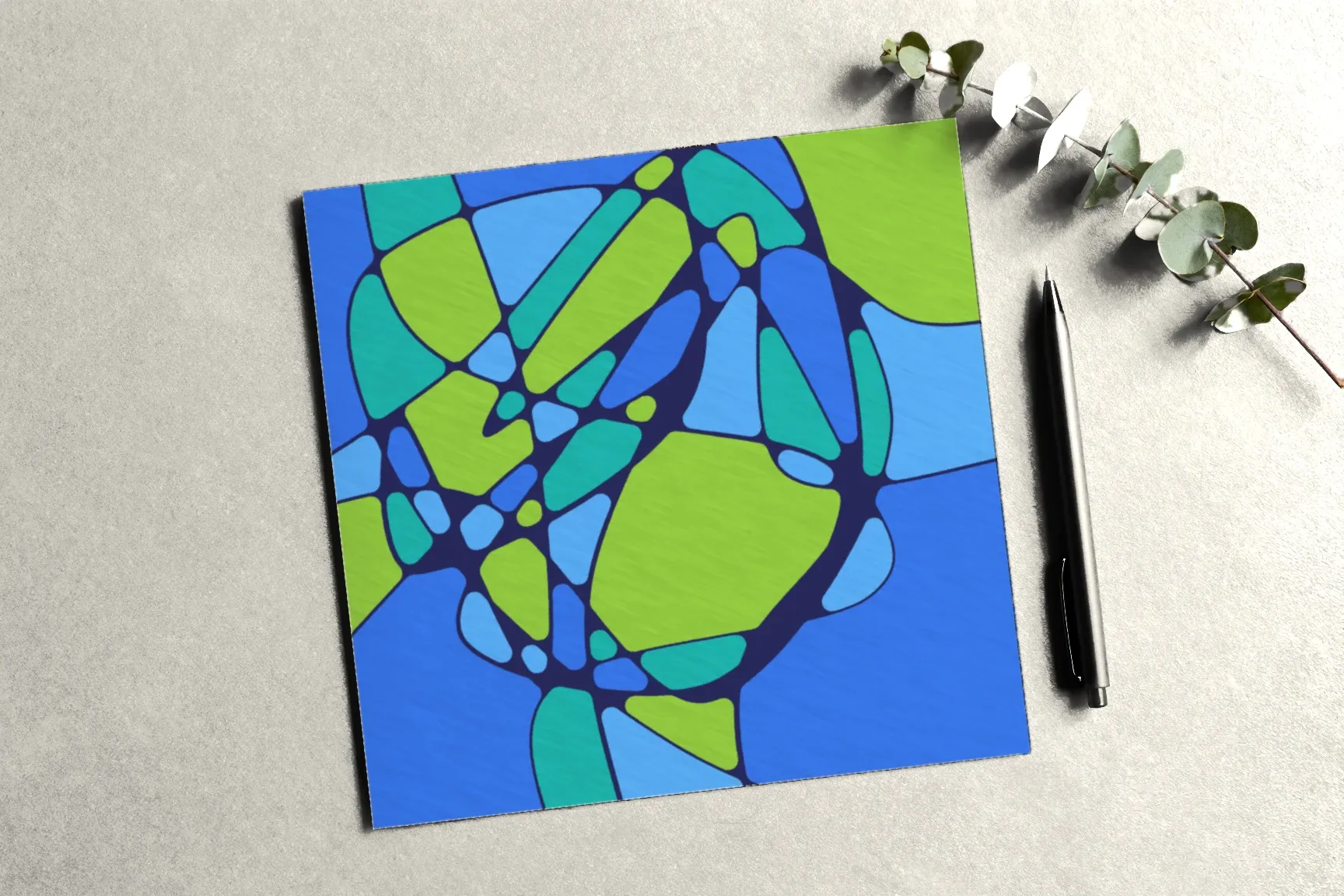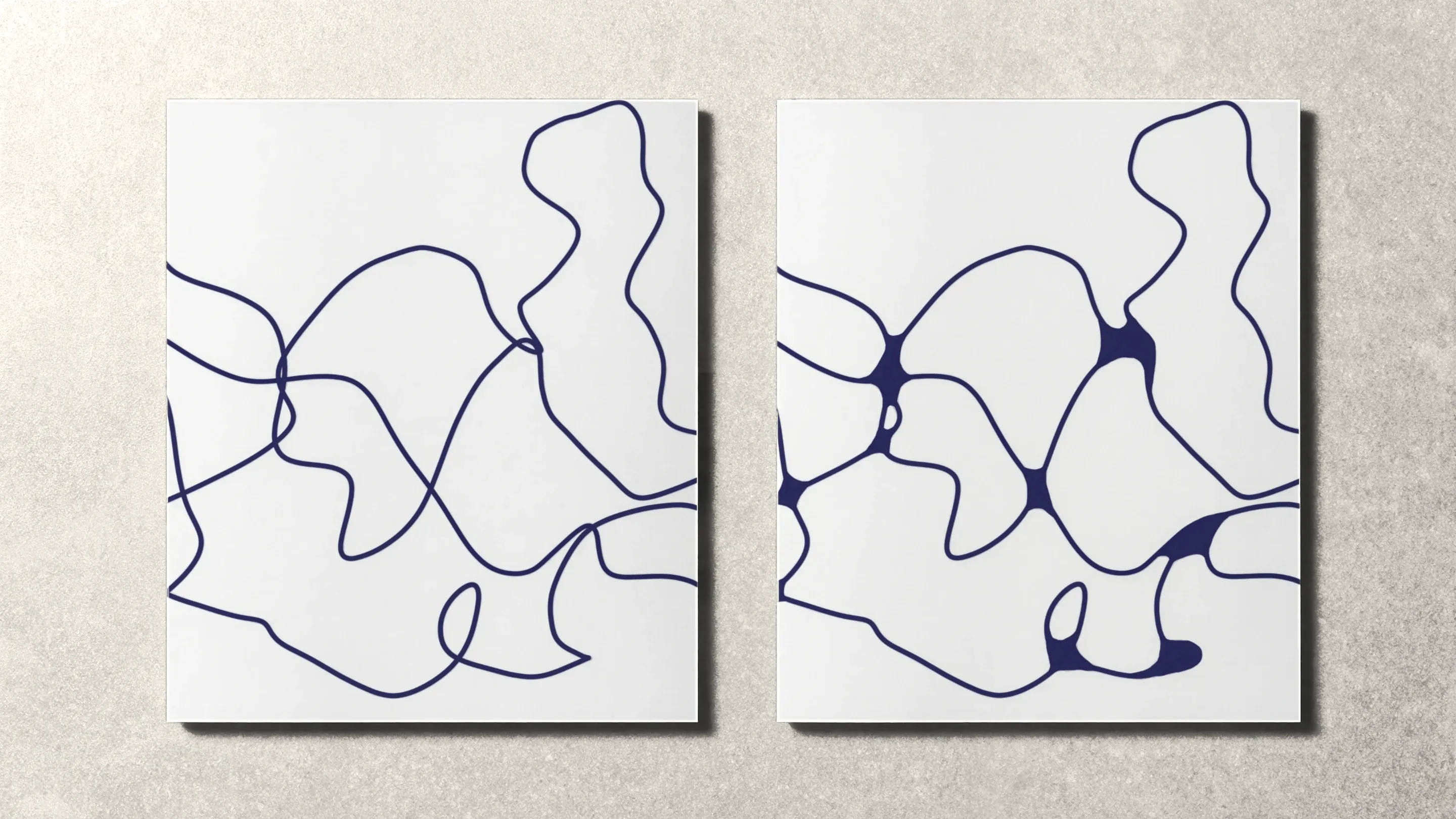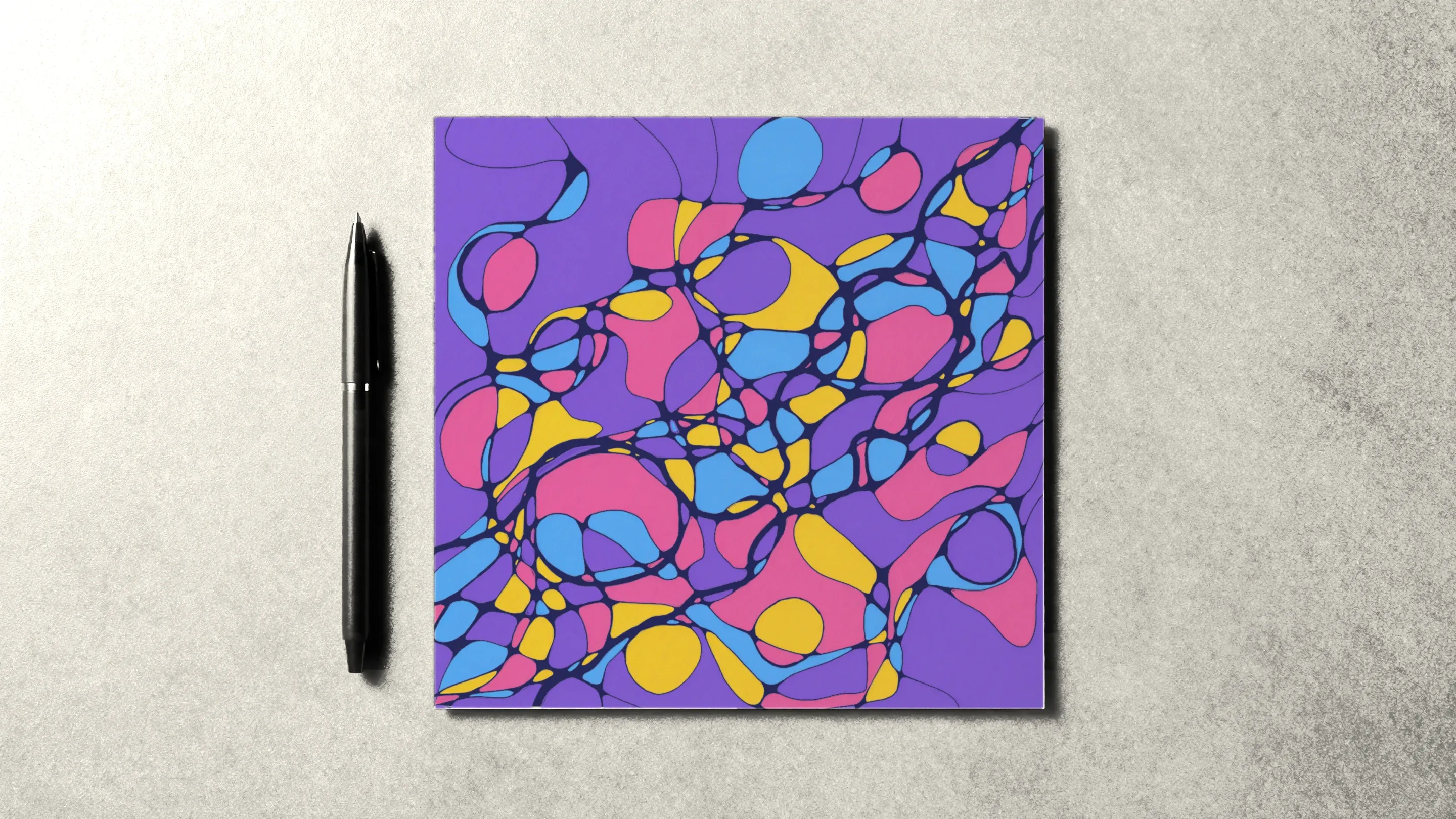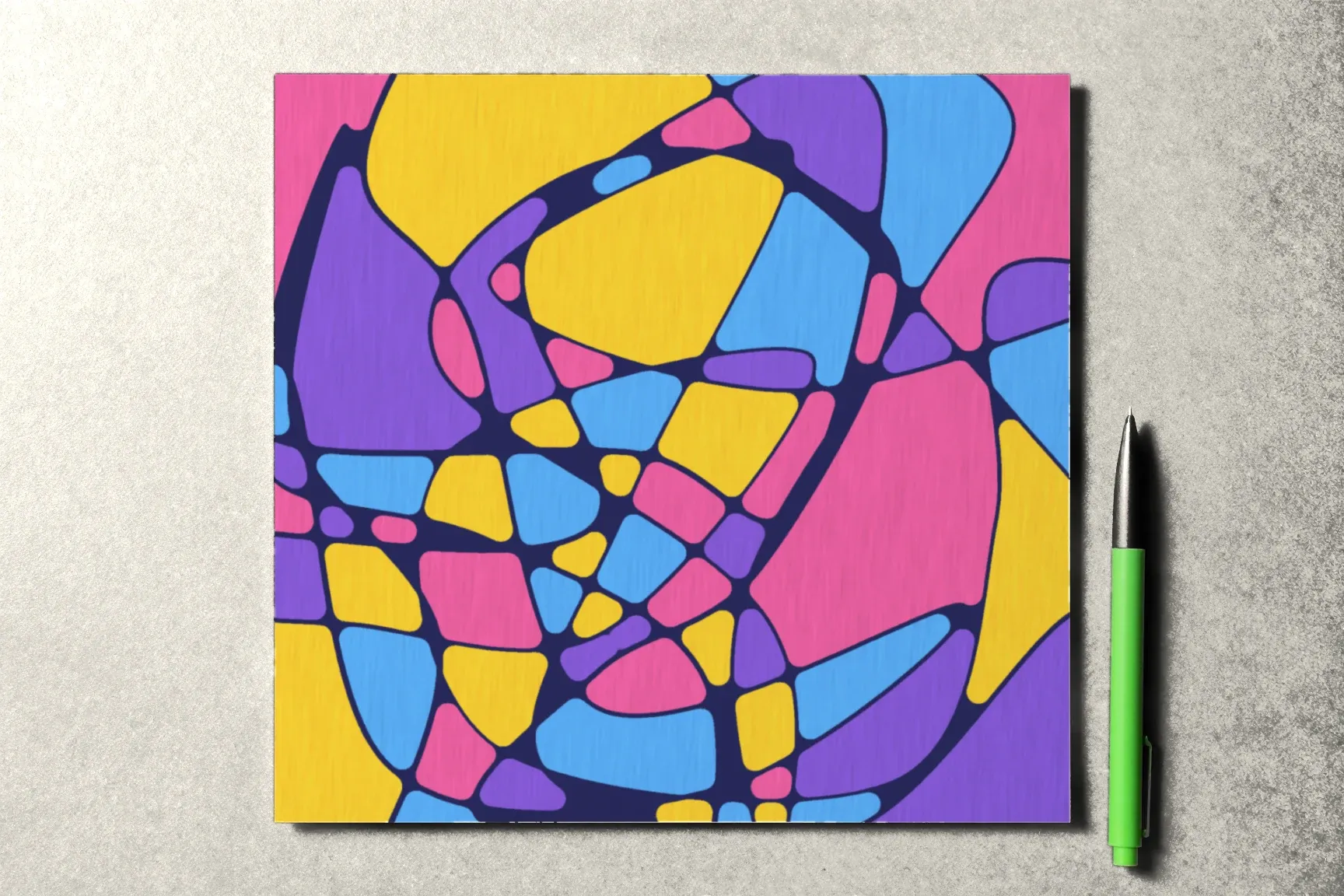
“Art therapy” often gets attached to any kind of drawing for yourself: coloring books, neurographic art, a sketchbook. But these are different things, and the difference isn’t in the materials. It’s in who is with you and why you’re drawing. Here’s how to tell them apart and choose what you actually need.
What art therapy is
Art therapy is a form of mental health treatment in which drawing, sculpting or collage becomes the language of a conversation with a trained therapist. The artwork isn’t the goal; it’s a way to see and talk about what’s hard to put into words. A qualified professional leads the session: they ask questions, notice what’s happening and are responsible for the process.
In the United States, art therapists hold a master’s degree in the field and complete supervised clinical practice. Their credentials — Registered Art Therapist (ATR) and Board Certified (ATR-BC) — are issued by the Art Therapy Credentials Board, and some states also license them.
What drawing on your own is
Drawing for yourself is a practice without a therapist. You choose the time, the theme and the pace. Nobody interprets your drawing or makes a diagnosis. The goal is simpler: to give yourself some time, slow down, make something with your hands and see the result.
The transformational drawing taught in the Neurojournal course is exactly that kind of practice. The course gives you structure — steps, algorithms, a journal — but it doesn’t replace working with a professional.
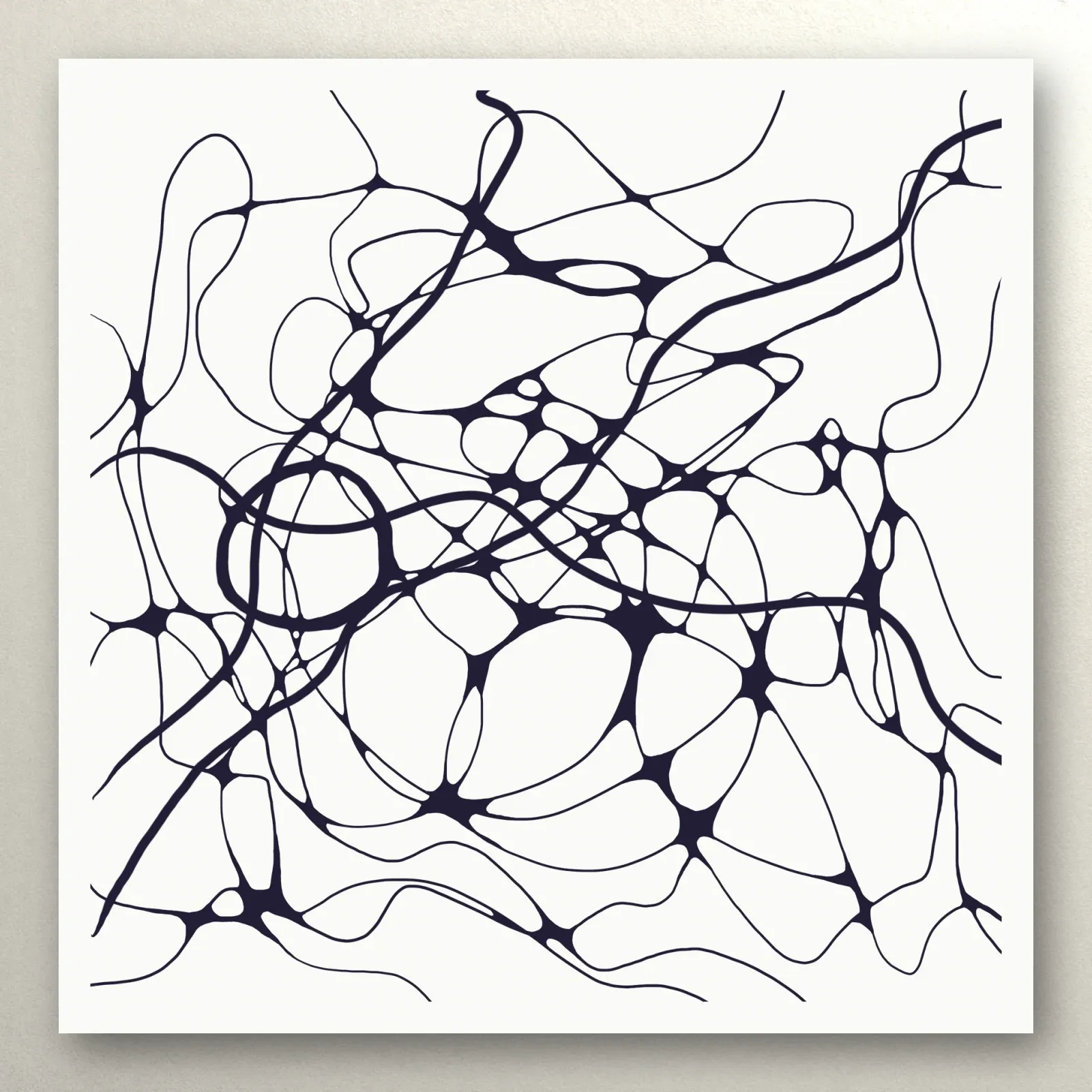
The key differences
- Who’s with you. In art therapy, a trained professional. In your own practice, just you.
- The purpose. Art therapy works with a specific need: trauma, anxiety, a crisis. Drawing for yourself is a way to rest and spend time with your thoughts.
- Interpretation. A therapist helps you understand the drawing. On your own, you decide whether to look for meaning in it at all.
- Support. If a session gets hard, the therapist knows what to do. Alone, that support isn’t there.
When practice is enough, and when to see a professional
Drawing on your own can become a good daily habit: a way to rest, switch off after work and notice how you’re doing. But there are times when a drawing isn’t enough:
- anxiety or low mood that lasts for weeks and gets in the way of sleep, work or relationships;
- thoughts of harming yourself — in the US, you can call or text 988 any time;
- an experience you can’t stop going back to.
In those cases, reach out to a licensed mental health professional or your doctor. You can keep drawing too — as a complement, not a replacement.
What comes next
What research says about drawing and stress is in Drawing and Stress: What the Research Says, and how to begin your own practice is in Neurographic Art for Beginners. The first module of the course is open without an account — start there.