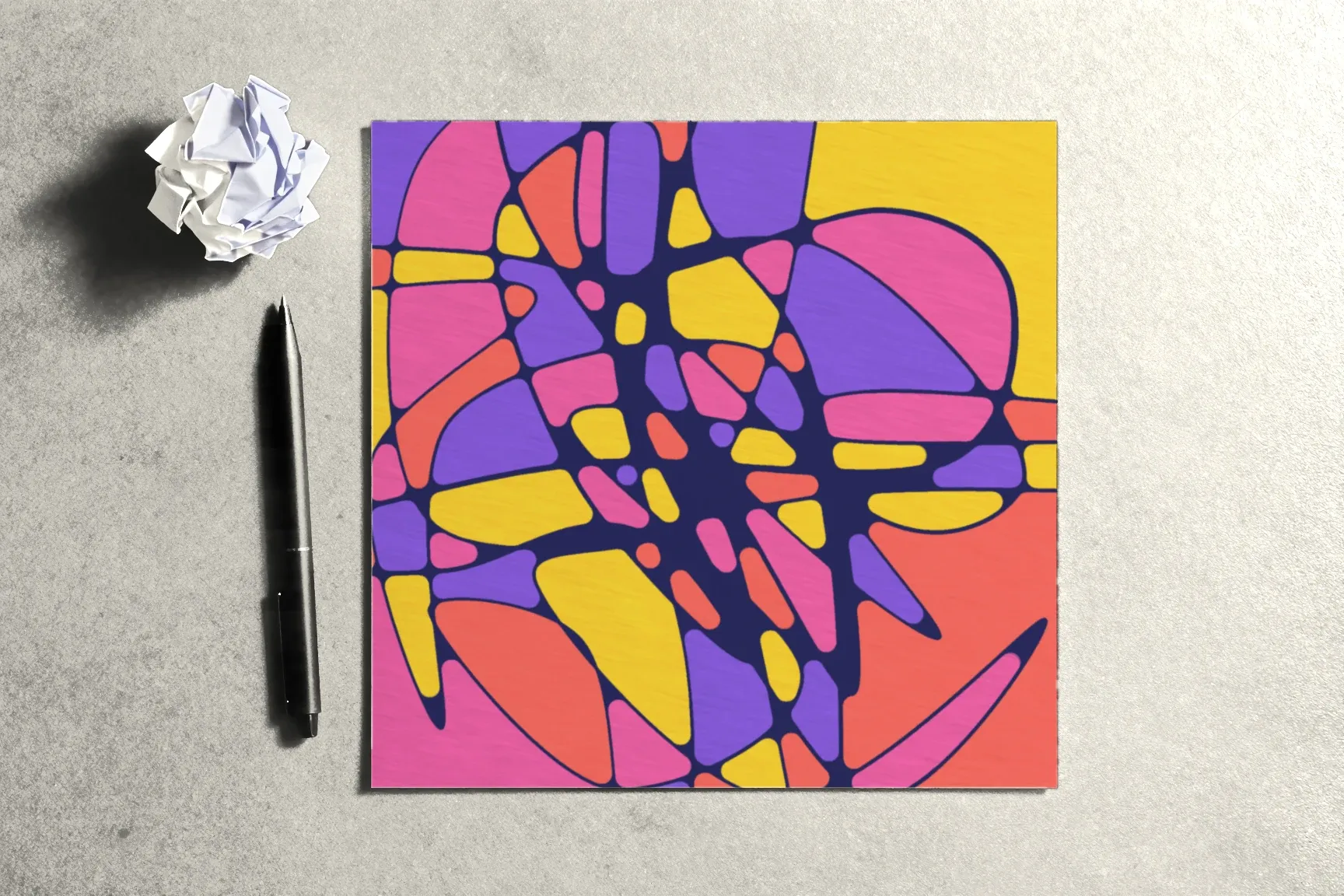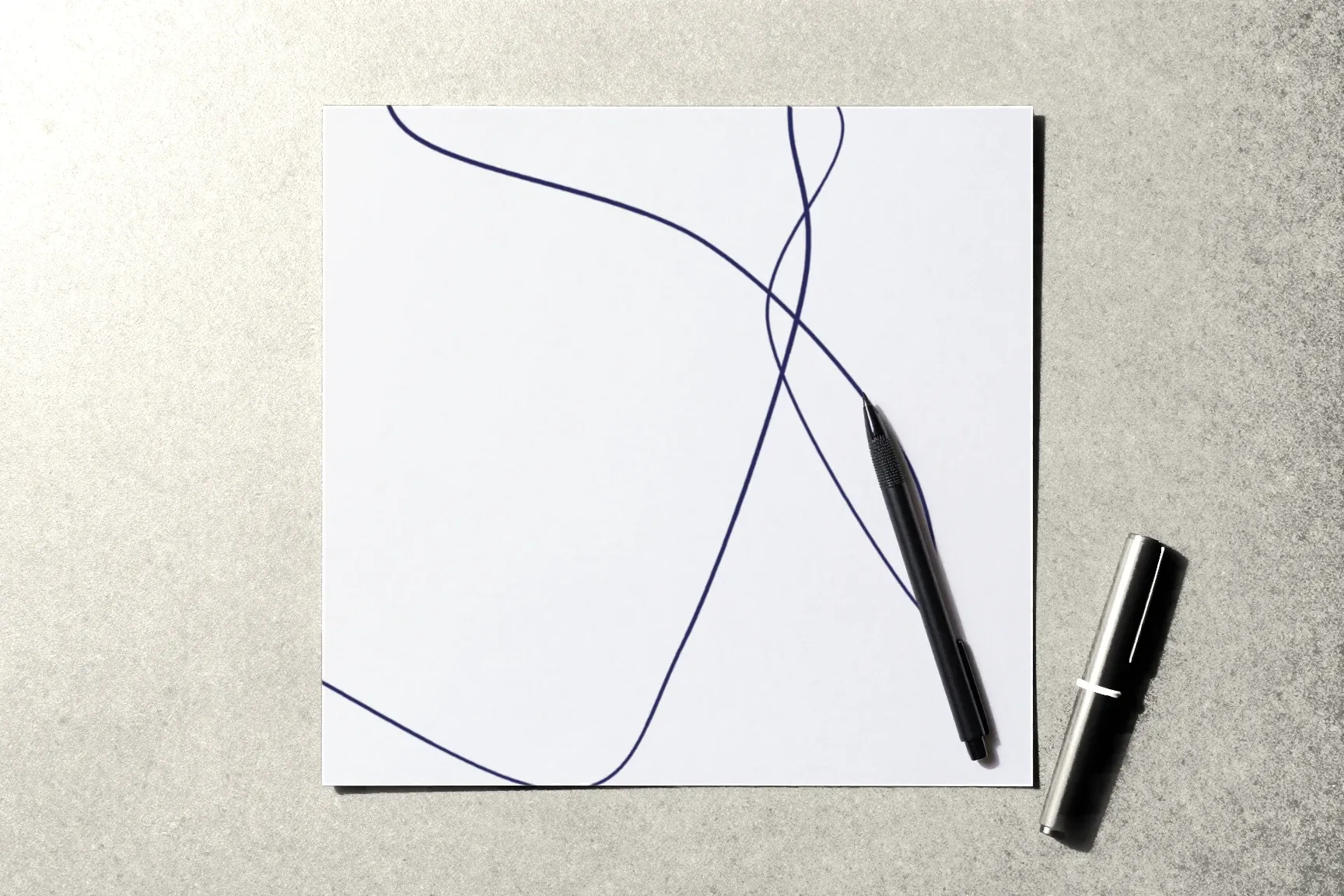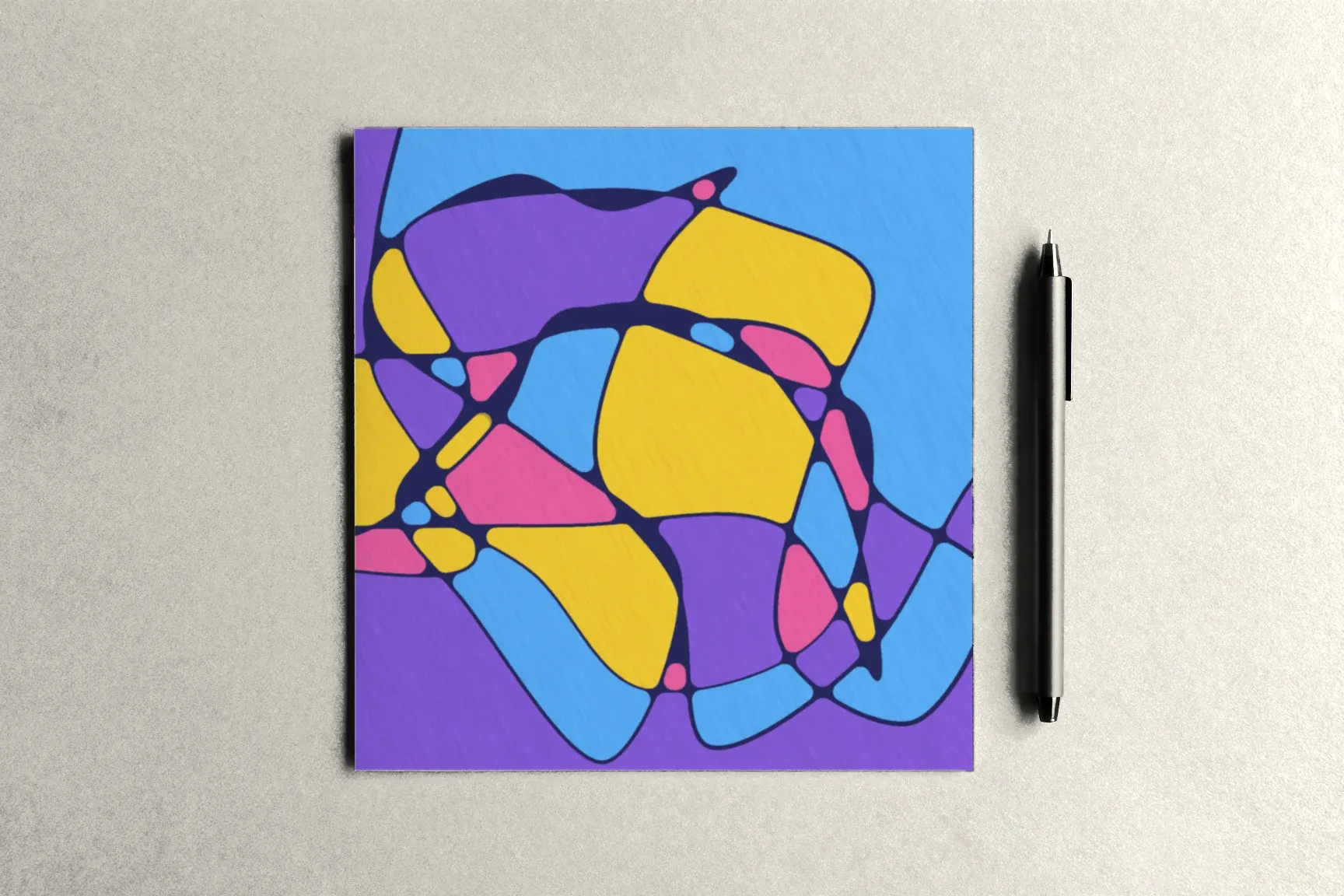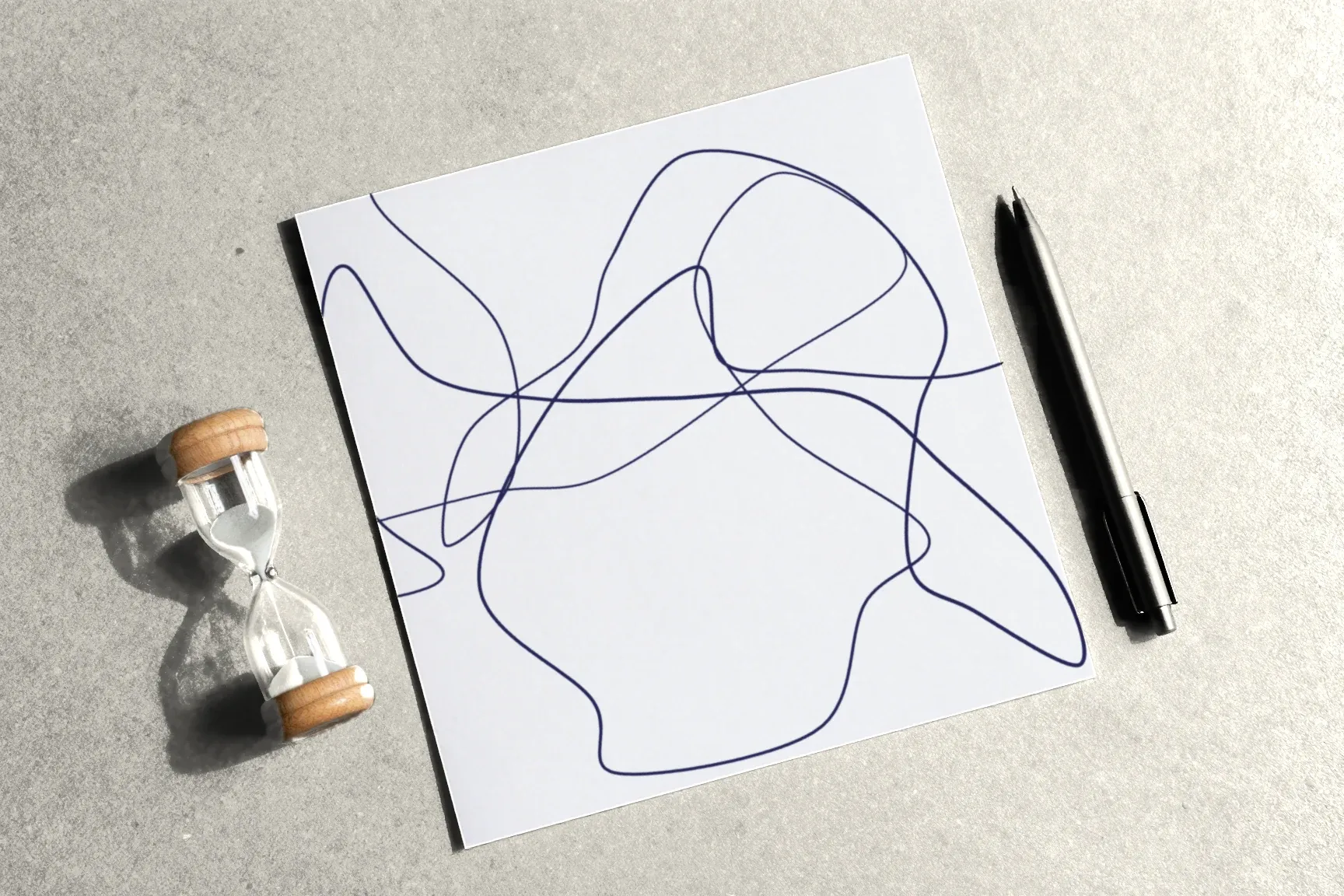
The first lines on a page often come out stiff: your hand is still “writing” rather than drawing, and it reaches for familiar waves and loops. Five minutes of warming up on scrap paper helps you shift from the day’s business to drawing, and makes the first line on your main sheet freer.
Here are five exercises, a minute each. You can do them on anything: the back of an old printout, a notebook page, an envelope.
Why warm up
- Your hand gets used to the pen and paper. You feel how the tip glides, how hard to press, how fast the ink dries.
- Your movement gets bigger. After a few long lines, your hand stops moving only from the wrist.
- The fear of “ruining” the page fades. You can’t ruin scrap paper, and that feeling carries over to the main drawing.
- It marks a transition. A couple of minutes on scrap separates the day from the session — like stretching before a walk.
Exercise 1: a line with your eyes closed
Put the pen on the paper, close your eyes, and draw for 30–40 seconds without lifting the pen. Open your eyes and look at what you made.
What it does: without your eyes checking, your hand stops straightening the line and repeating familiar curves. The line comes out unpredictable — exactly the kind the technique calls for.
Exercise 2: a line with your other hand
Hold the pen in the hand you don’t write with and draw one long line across the page. Take your time.
What it does: your non-dominant hand doesn’t know your usual moves, so the line is naturally uneven. Compare it with a line from your dominant hand — often it’s the freer of the two.
Exercise 3: spirals of different sizes
Draw a few spirals: a big one across half the page, several small ones, one clockwise, one counterclockwise. Don’t try to make them even.
What it does: a spiral trains smooth, continuous movement and control over the size of a curve. And one of the course’s algorithms has a spiral as a step of its own.
Exercise 4: changing figure eights
Draw a sideways figure eight and, without lifting the pen, keep going: make each new loop a little bigger or smaller, wider or narrower than the last.
What it does: the figure eight is a familiar motion, and your hand wants to repeat it the same way every time. Your job is not to let it. That’s the same skill a free line needs: noticing the repeat and changing the movement.
Exercise 5: a line paced by your breath
Draw slowly: as you breathe in, move in one direction; as you breathe out, change direction. A few breaths later, there’s a long wavy line on the page where every curve is a little different.
What it does: it sets a slow pace. A fast line almost always turns into an even wave, and this exercise gives you a tempo that carries well onto the main sheet.
How to fit a warm-up into your session
- Keep scrap paper next to your main sheet. A spare sheet or an old printout.
- Pick one or two exercises, not all five. A minute or two is enough.
- Go straight to the main sheet after warming up, while your hand still remembers the loose movement.
- Don’t keep the scraps. They aren’t for the journal — they’ve already done their job.
If your session is short, you can skip the warm-up. And if your line suddenly gets too regular on the main page, go back to the scrap paper for a minute and repeat the first or second exercise.
A warm-up for rounding
You can warm up for rounding too. On scrap paper, draw two lines crossing at a sharp angle and round all four corners. Then another crossing at a wide angle. Your hand will remember the curve before you take on dozens of crossings on the main sheet. For longer rounding practice, the course has templates with the lines already drawn.
What comes next
We covered what a free line should look like and how to draw it on your main sheet in The First Line, and how to round the crossings in Rounding the Intersections, Step by Step. The first module of the Neurojournal course is open without an account — start there.