Context
Art Therapy vs. Drawing on Your Own: What’s the Difference?
How art therapy differs from drawing for yourself: who leads it, what it’s for, and when your own practice is enough and when to see a licensed professional.
Context
How art therapy differs from drawing for yourself: who leads it, what it’s for, and when your own practice is enough and when to see a licensed professional.
Context
What science says about drawing and stress: cortisol after 45 minutes of art making, mandalas and anxiety, drawing to distract, and what it doesn’t prove.
Context
How neurographic art compares with the transformational drawing taught in Neurojournal: the shared steps, the two names, and how the course is built.
Technique
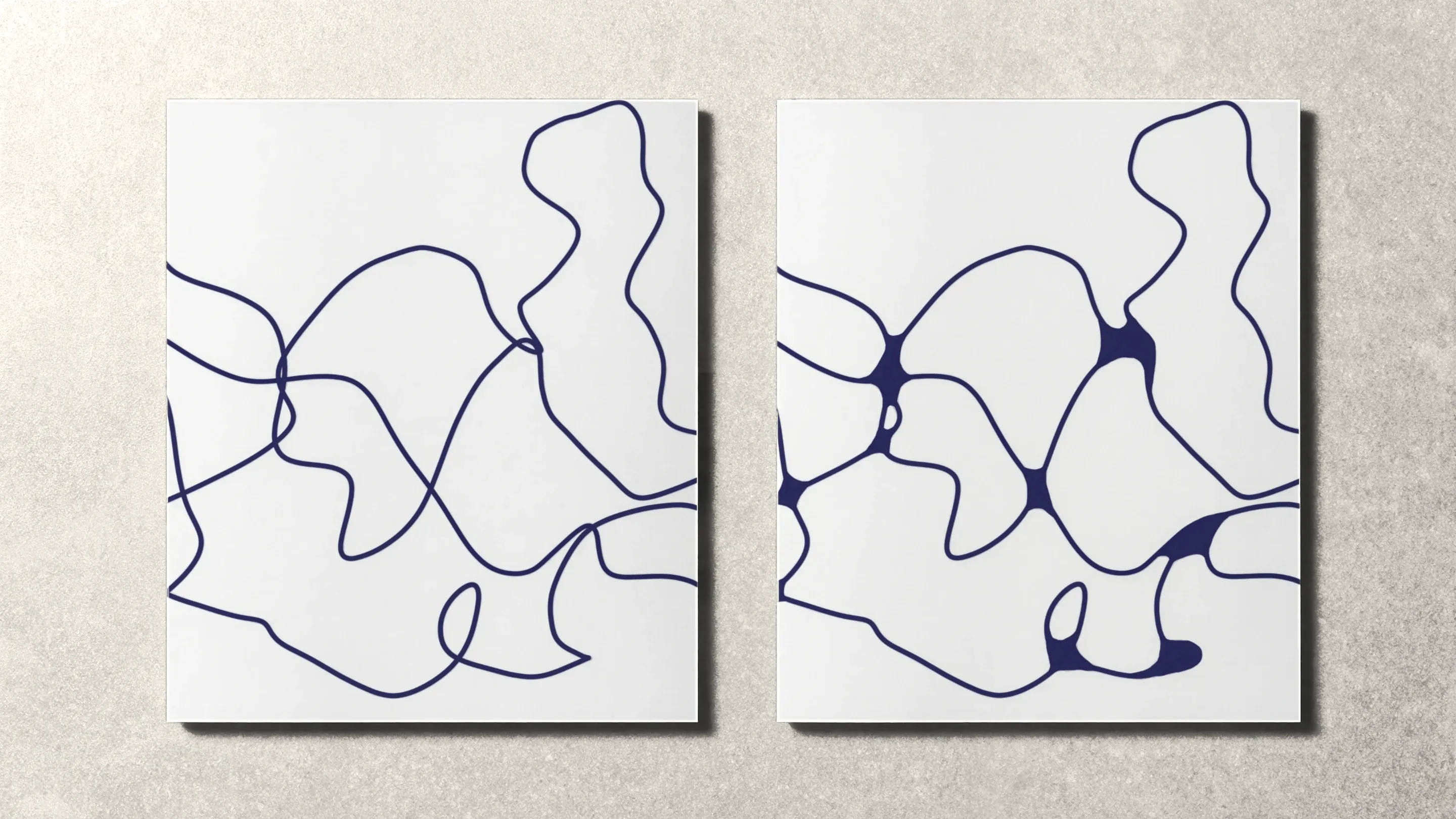
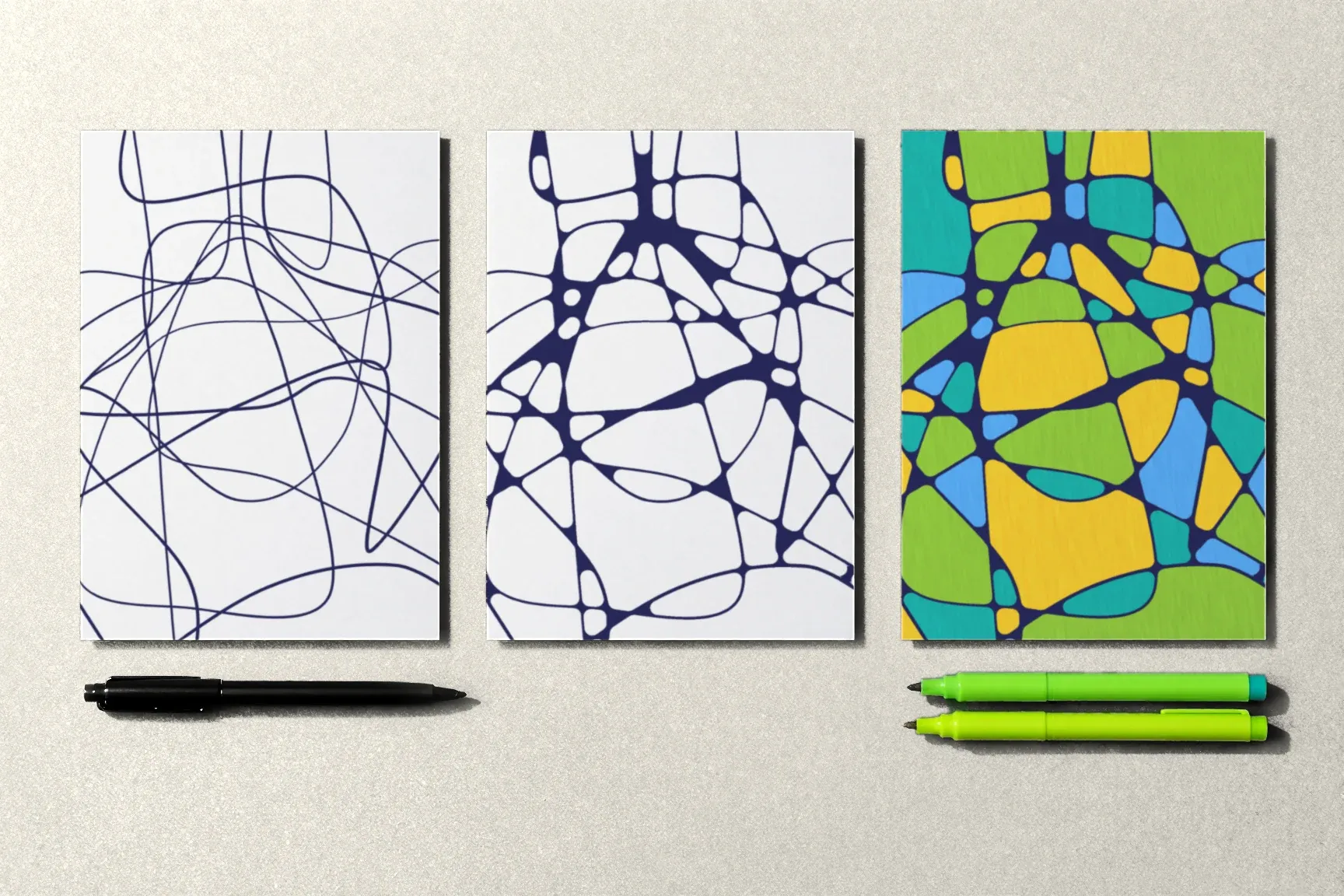
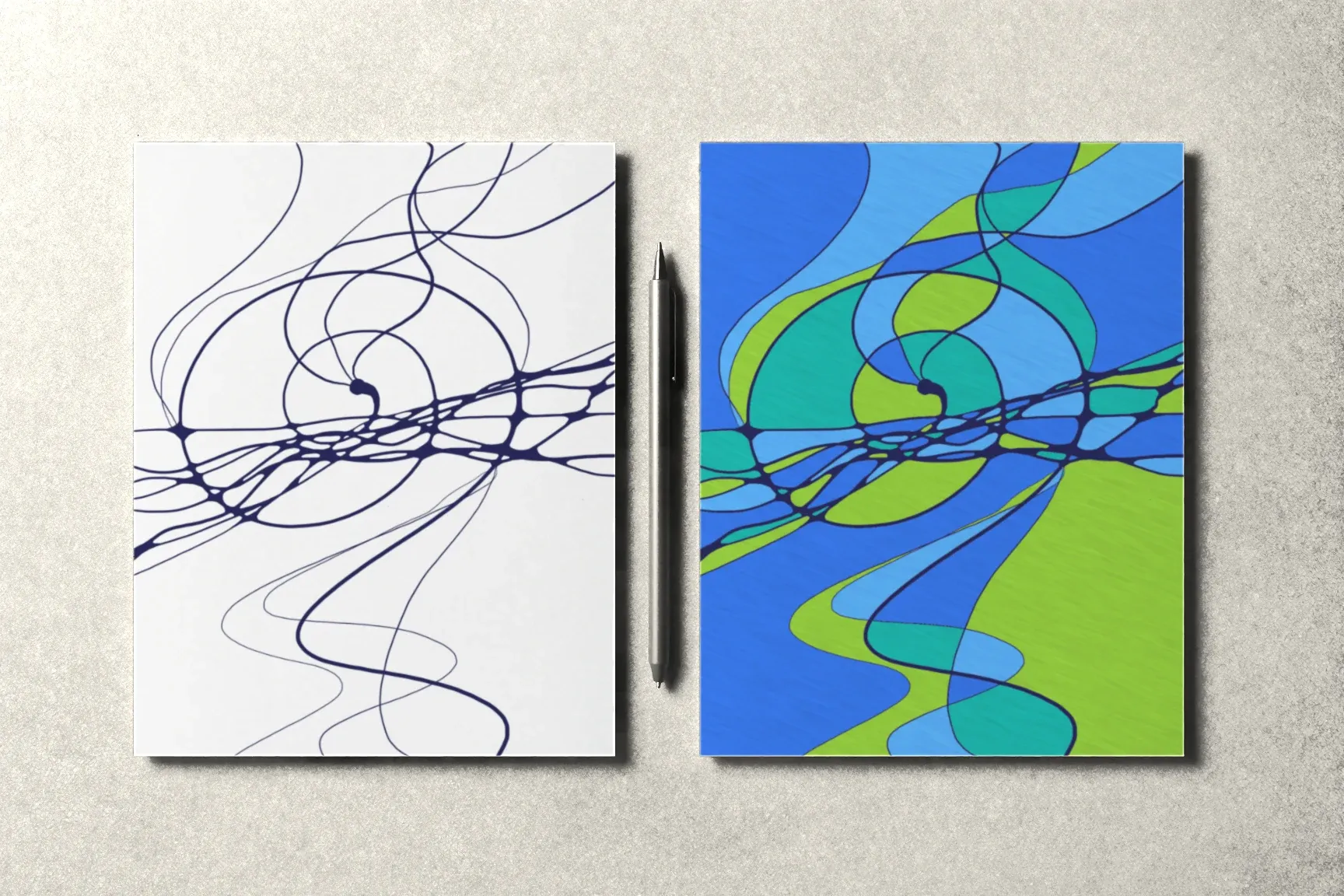
Your first neurographic drawing: what to get ready, how to draw the free line, round the intersections and add color — step by step, no drawing skills needed.
Context
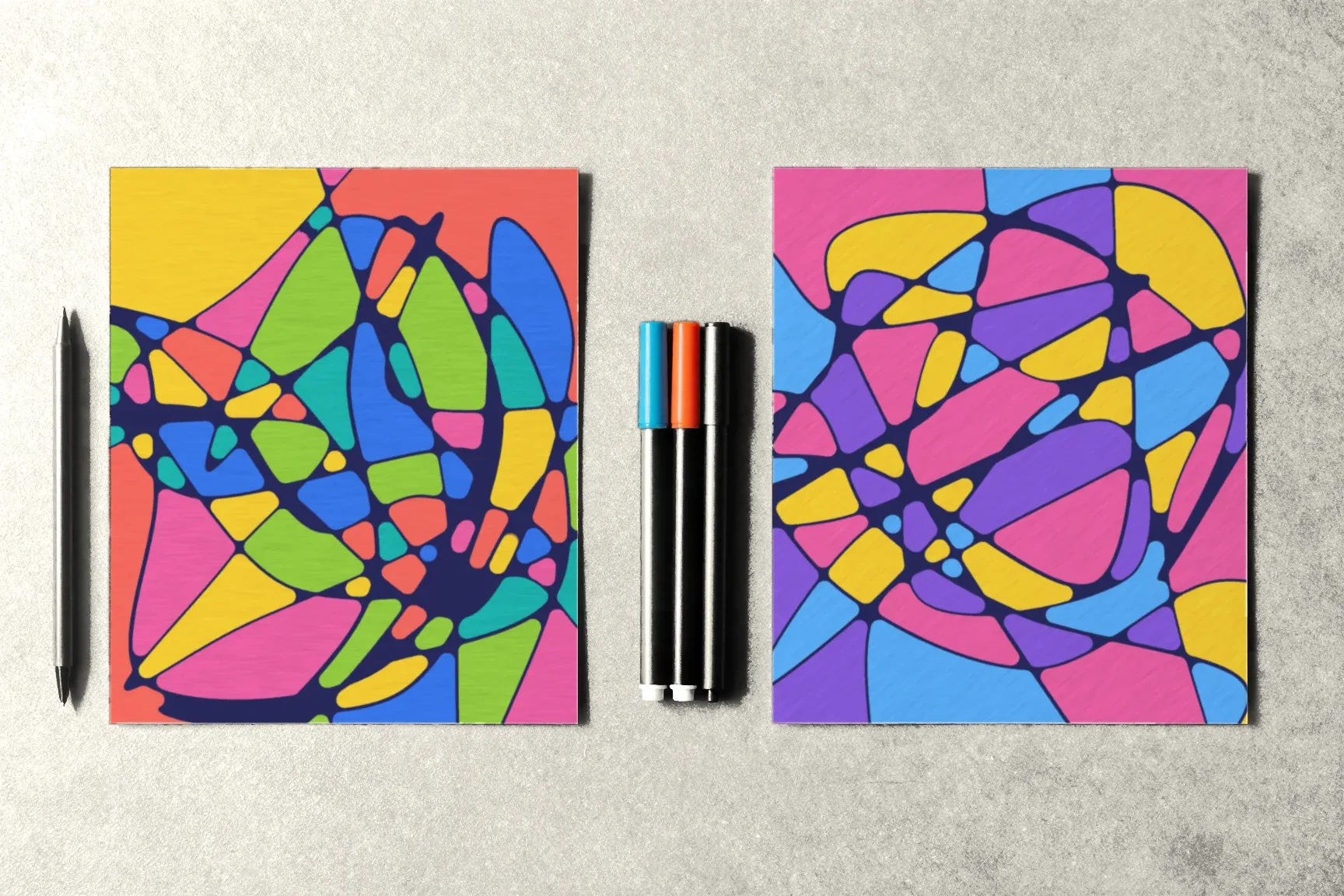
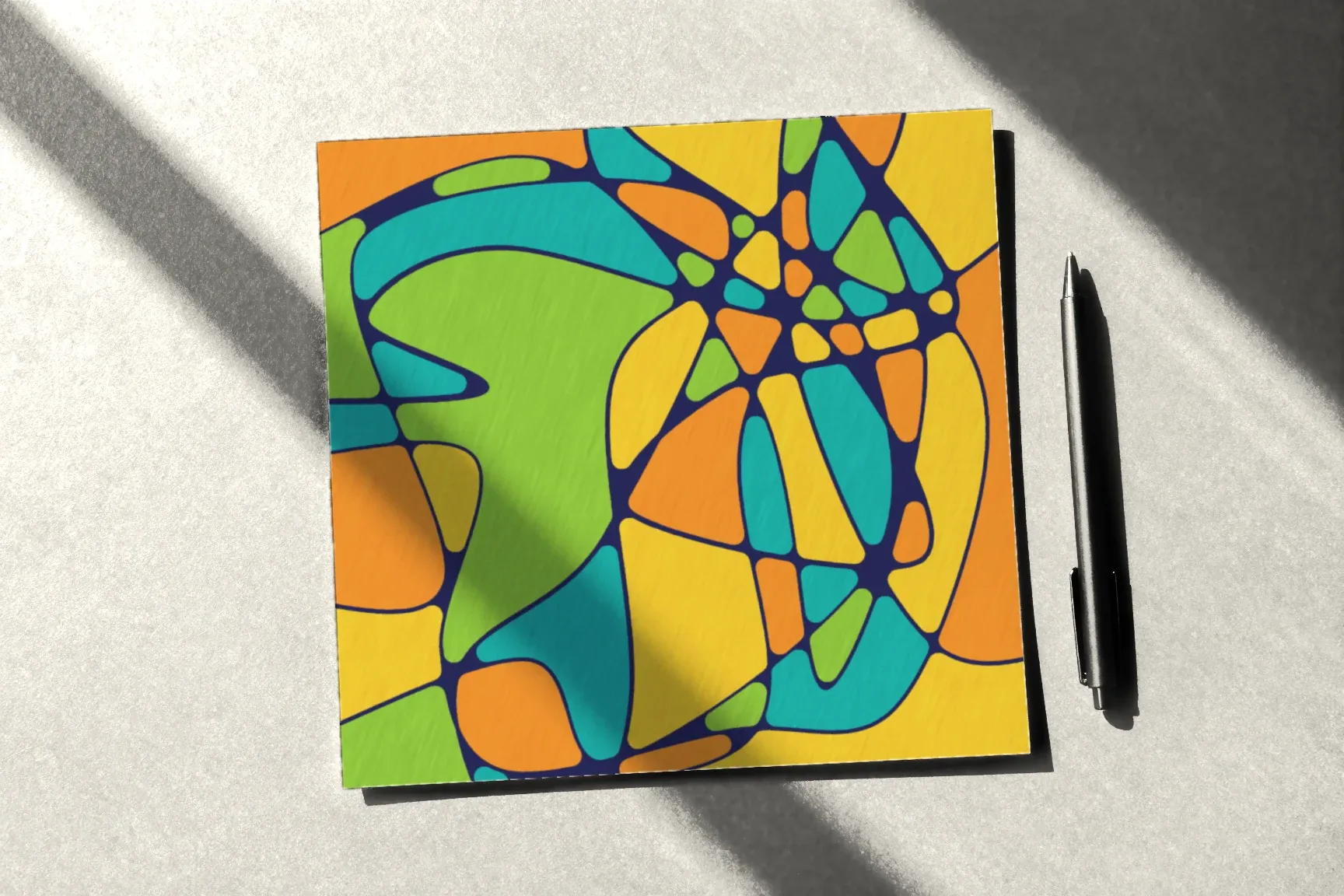
What neurographic art is, where the name comes from, its three steps — line, rounding, color — what an algorithm is, and what the method is not.
About the course
An honest comparison of a self-guided course and an instructor: pace, feedback, cost, flexibility, community. Who each suits, and how to combine them.
Practice
Instrumental music, silence, a podcast, or an audiobook: what each changes in a transformational drawing session, and how to match the sound to the step.
Practice
One page for two, swapping pages, a shared palette, drawing with kids: five ways to make transformational drawing an evening with partner, friends, or family.
Practice
Drawing in the morning vs. the evening: light, pace, how much time you have, and how each fits into your day. How to choose your time, and whether to change it.
Context
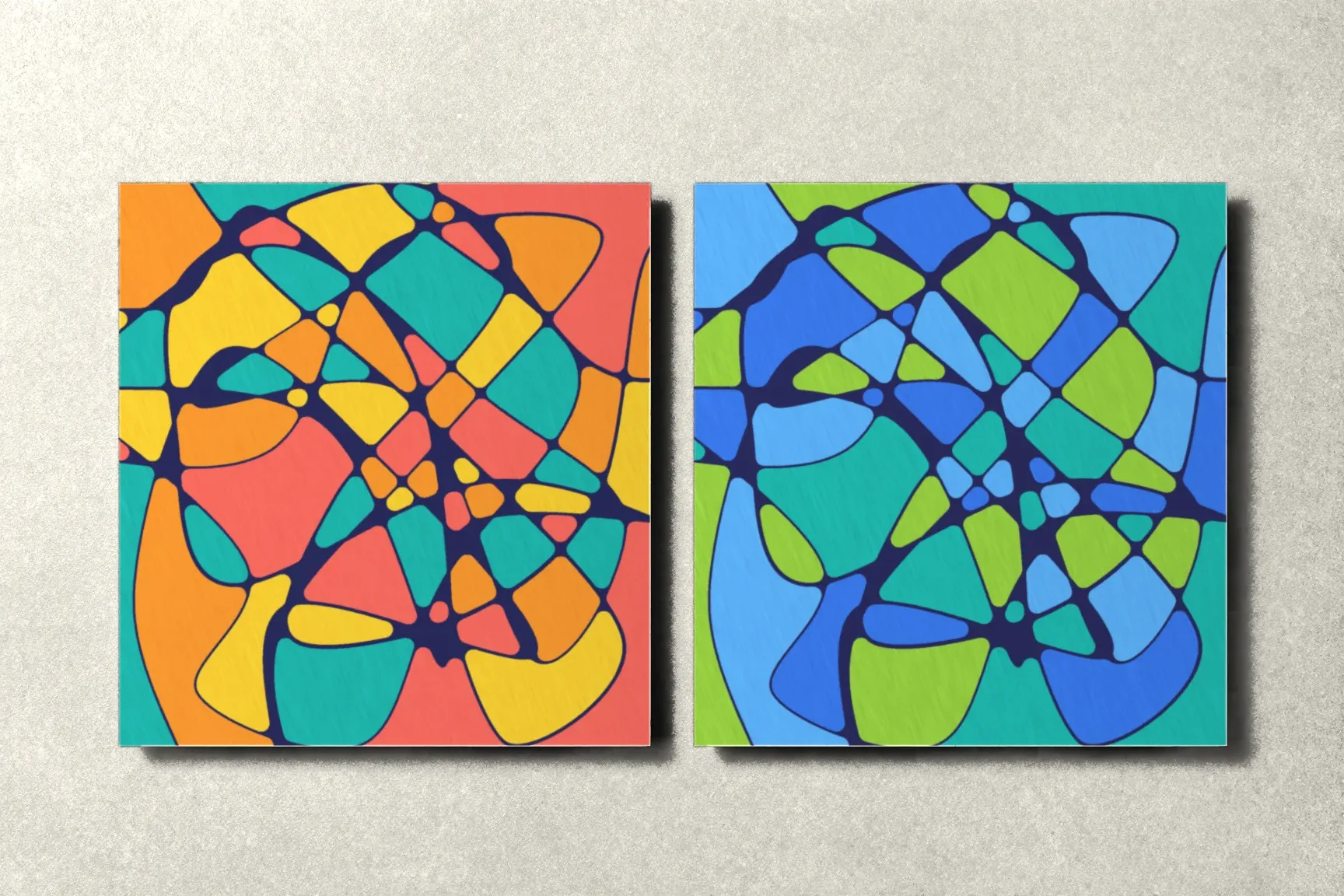
Does pink really lower aggression, or red whet the appetite? What research says about color associations, which claims didn’t hold up, and how to choose.